Standing Desk Guide: Electric, Manual & Converters
Find your perfect standing desk. Improve posture, boost energy, and create a healthier workspace with our comprehensive guide. From electric height-adjustable desks to budget-friendly converters, we cover it all.
Shop Standing DesksWhy Choose a Standing Desk? Sitting for long hours can lead to back pain, fatigue, and reduced focus. A stand-up desk allows you to alternate between sitting and standing, promoting better circulation and engagement. Whether you're a remote worker, gamer, or creative professional, the right sit-stand desk can transform your workday.
Types of Standing Desks
Electric Standing Desks
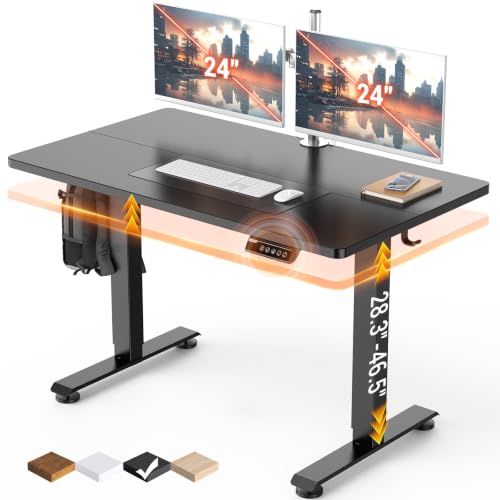
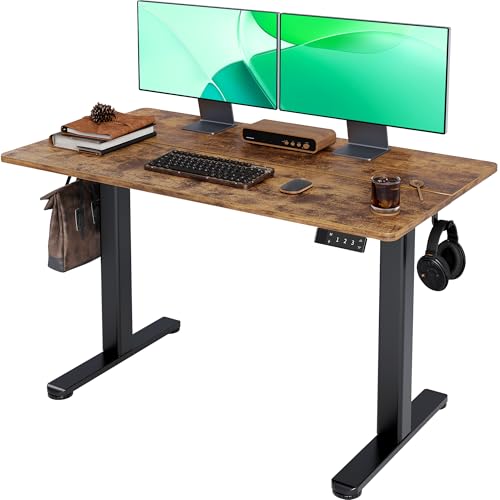
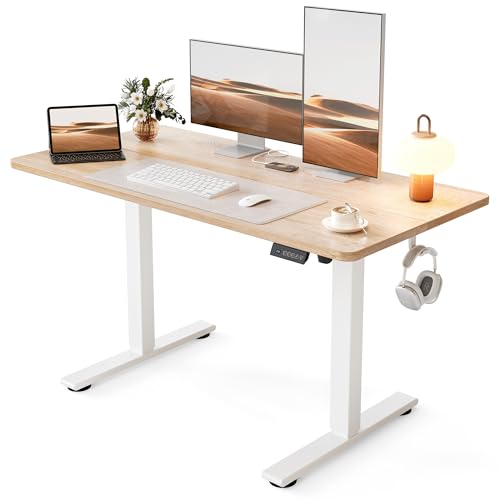
Premium option with smooth, motorized height adjustment. Perfect for seamless transitions between sitting and standing. Check our electric standing desks guide.
- Stand up desks with memory presets
- Dual-motor vs. single-motor
- Weight capacity up to 350 lbs
Manual Standing Desks
Affordable and reliable, using a crank or pneumatic lift. Great for personal use without power outlets. Explore our manual standing desks section.
- Standard height desk with adjustability
- Quiet operation
- Lower cost, no electricity needed
Standing Desk Converters
Transform your existing desk into a standing workstation. Ideal for budget-conscious users or those with limited space. See our stand-up desk converter reviews.
- Small desk compatible models
- Portable and easy to install
- Cost-effective alternative
Standing Desk Comparison
| Type | Best For | Price Range | Key Feature |
|---|---|---|---|
| Electric | Professionals, heavy users | $500–$1,500 | One-touch memory, smooth lift |
| Manual Crank | Home offices, light use | $200–$600 | No power required, durable |
| Converter | Budget, existing desks | $100–$400 | Portable, transforms any surface |
Ergonomic Benefits of Standing Desks
Switching to a stand desk can reduce back pain, improve posture, and increase daily calorie burn. Proper desk height calculator tools help you find the optimal position. Combine with an ergonomic office desk chair for a complete setup. Remember to alternate between sitting and standing using a sit-stand routine.
How to Choose the Perfect Standing Desk
Selecting the right standing desk depends on your workspace, budget, and usage. Consider these key factors:
- Height Range: Ensure it fits your stand desk height needs. The standard height desk may not be adjustable.
- Weight Capacity: Check the max load for your monitors, laptop, and accessories.
- Surface Material: Options include wooden desk, white desk, or solid wood desk for durability.
- Size & Shape: From small desk for bedroom to corner desk setup and L-shaped desk setup.
Optimize Your Standing Desk Setup
Enhance your standing desk experience with the right accessories. Use monitor arms for optimal screen positioning. A desk shelf can add storage, while cable trays keep wires tidy. For comfort, consider an anti-fatigue mat and footrests.
Explore more desk accessories to personalize your space. For tech enthusiasts, check desk gadgets like wireless charging desk mods and desk speakers.
Explore More Desk Guides
Complete Sit-Stand Desk Guide
Master the art of using a sit-stand desk effectively. Includes routines, ergonomic tips, and health benefits.
Desk Setup & Layout Ideas
Find inspiration for your single monitor setup or dual monitor setup. Perfect for gamers and professionals.
Desk Productivity Habits
Boost focus and efficiency with proven methods like the desk timer methods and distraction-free desk techniques.