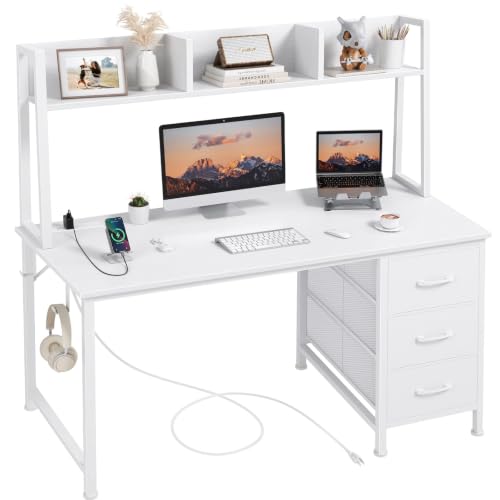
Student Desk Guide: Find Your Perfect Study Companion
Whether you're in a dorm, a home office, or a classroom, the right student desk can transform your focus, posture, and productivity. Explore our complete guide to student desks, from compact designs to ergonomic workstations.
Explore Student Desk TypesAll about student desks: A great desk is more than just a surface—it's the foundation of effective studying, creative work, and comfortable learning. This guide covers everything you need to know about student desks, including types, sizes, materials, and must-have features. Whether you're outfitting a dorm room, a home study nook, or a classroom, we'll help you make the right choice.
Why Choosing the Right Student Desk Matters
A well-chosen student desk can improve concentration, reduce physical strain, and even boost academic performance. Students often spend hours at their desks, so ergonomics and functionality are key. A desk that fits your body, your space, and your study habits will make learning more enjoyable and productive.
For small spaces, consider compact or foldable designs. If you need flexibility, a stand-up desk can help you alternate between sitting and standing. And for those who want maximum storage, a desk with drawers keeps supplies organized and within reach.
📐 Ergonomic Design
Proper height and posture support to prevent back and neck pain during long study sessions.
📦 Smart Storage
Drawers, shelves, and compartments to keep books, laptops, and stationery tidy.
📱 Tech-Ready
Cable management, monitor stands, and power outlets for a seamless digital study experience.
🏠 Space-Saving
Compact and multi-functional designs that fit dorm rooms, apartments, and small bedrooms.
Types of Student Desks
Compact & Space-Saving Desks
Ideal for small dorm rooms or tight corners. These desks often feature foldable designs or built-in storage. Check out small writing desks or corner desks for maximum efficiency.
Standing & Adjustable Desks
Perfect for students who want to alternate between sitting and standing. Standing desks promote better circulation and focus. Also see standing computer desks for tech-heavy setups.
Desks with Storage
Keep your study materials organized with built-in drawers, hutches, or shelves. Explore desks with storage and desks with hutches to maximize your workspace.
Multi-Functional Desks
These desks double as a study area and a secondary surface for hobbies or dining. Look at folding desks or solid wood writing desks for durability and style.
✅ Student Desk Buying Checklist
- Desk height between 28–30 inches for proper ergonomics
- Width at least 40 inches for a monitor and books
- Depth of 24–30 inches for comfortable reach
- Sturdy construction (solid wood or high-quality MDF)
- Cable management features or grommets
- Storage options: drawers, shelves, or keyboard trays
- Finish that resists scratches and stains
- Warranty and assembly instructions
Ergonomics for Student Desks
Good posture is essential for long study sessions. The ideal student desk allows your elbows to rest at a 90-degree angle, with feet flat on the floor. If you're using a standing desk chair or a sit-stand chair, adjust the height accordingly. For monitor placement, the top of the screen should be at or slightly below eye level. Consider a monitor arm for optimal positioning.
If you're on a budget, you can also find top-rated desk chairs and affordable standing desks that offer great value without compromising on quality.
Materials and Durability
Student desks need to withstand daily use, spills, and heavy books. Solid wood is durable and timeless, while MDF and laminate are budget-friendly and easy to clean. For a modern look, metal desks offer sleek design and strength. Consider the desk polish guide to keep your desk looking new for years.
Student Desk Setup Ideas
Setting up your student desk is about more than just placing a laptop. A well-organized desk can enhance focus and reduce distractions. Start with a first desk setup plan, then add desk organizers and cable trays to keep wires out of sight. For a personal touch, add desk plants and good lighting to create a study environment you'll love.
If you're sharing a room, consider a dual desk setup or a closet desk for privacy. And if you're on a tight budget, check out our desk budget guide for affordable solutions.
📘 Pro Study Tip
Keep your desk clean and clutter-free. Use a paper management system and a wireless setup to minimize distractions. A tidy desk equals a tidy mind!
Ready to Choose Your Student Desk?
Explore our top recommendations below, curated from Amazon's best-sellers. Find the perfect desk that fits your space, budget, and study style.
Shop Student Desks