Under Desk Footrest Guide
Elevate your comfort, improve posture, and reduce fatigue with the perfect under-desk footrest. Discover ergonomic benefits, types, materials, and expert tips to choose the best footrest for your workspace.
Shop Top FootrestsWhy a footrest? An under-desk footrest isn't just a luxury — it's an ergonomic necessity. It supports your legs, improves blood circulation, reduces lower back strain, and helps you maintain a healthy sitting posture throughout the day. Whether you're working from home or in a corporate office, the right footrest transforms your comfort and productivity.
What Is an Under Desk Footrest?
An under desk footrest is an ergonomic accessory placed beneath your desk to support your feet while sitting. It encourages proper leg positioning, reduces pressure on the lower back, and promotes better circulation. For those who spend long hours at a desk, a footrest is a simple yet powerful tool to combat fatigue and discomfort.
Modern footrests come in various shapes, sizes, and materials — from simple angled foam wedges to adjustable rocking footrests with massage features. The right choice depends on your desk height, chair type, and personal comfort preferences.
Key Ergonomic Benefits
✓ Reduces Lower Back Strain
By supporting your feet, a footrest tilts your pelvis forward, maintaining the natural S-curve of your spine and reducing lumbar pressure.
✓ Improves Leg Circulation
Elevating your feet slightly helps blood flow back to your heart, reducing swelling and the risk of deep vein thrombosis (DVT).
✓ Enhances Sitting Posture
A footrest keeps your knees at hip level or slightly below, promoting a 90-110 degree knee angle and preventing slouching.
✓ Boosts Comfort & Productivity
When you're comfortable, you focus better. A footrest reduces fidgeting and fatigue, allowing you to work longer with less distraction.
Types of Under Desk Footrests
Choosing the right type of footrest is crucial for your comfort and ergonomic needs. Here's a breakdown of the most common styles available:
1. Angled Foam Footrests
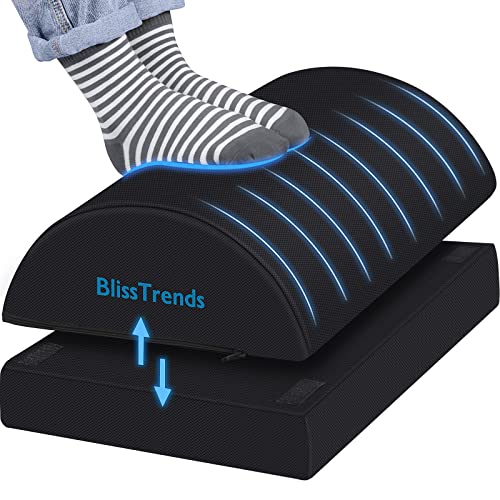
These are the most popular and affordable option. Made of high-density foam with a non-slip base, they offer a gentle incline that encourages natural foot positioning. They're lightweight, portable, and ideal for home offices.
2. Adjustable Rocking Footrests
These feature a mechanism that allows you to rock your feet back and forth. The gentle motion stimulates blood flow and keeps your legs active, reducing stiffness. Many come with adjustable height and tilt angles.
3. Under Desk Footrest with Massage
For ultimate relaxation, some footrests include built-in massage nodes or rolling balls. These are perfect for relieving foot fatigue after a long day. They often have heating functions for additional comfort.
4. Multi-Position Footrests
These versatile footrests can be used as a footrest, a seat, or even a small table. They often have adjustable legs and can be tilted to multiple angles to suit different sitting positions.
5. Standing Desk Footrests
For sit-stand desk users, a standing desk footrest (also called a balance board or wobble board) encourages micro-movements while standing, reducing strain on your feet and legs.
Footrest Comparison: Materials & Features
| Type | Material | Key Features | Price Range |
|---|---|---|---|
| Angled Foam | High-density foam, polyurethane cover | Non-slip base, lightweight, portable | $25–$50 |
| Adjustable Rocking | Steel frame, nylon or plastic platform | Height/tilt adjustment, rocking motion | $40–$80 |
| Massage Footrest | Plastic, silicone, or foam with massage nodes | Massage rollers, vibration, heating | $60–$120 |
| Multi-Position | Wood, metal, or durable plastic | Multiple angles, use as seat or table | $30–$70 |
| Standing Balance Board | Wood, plastic, or metal | Wobble motion, anti-slip surface | $50–$100 |
How to Choose the Right Under Desk Footrest
Selecting the best footrest for your needs involves considering several factors. Here's a checklist to guide your decision:
✅ Footrest Selection Checklist
- Height Adjustability: Can you adjust the height to fit your chair and desk?
- Angle & Tilt: Does it offer multiple angles to suit your sitting posture?
- Material & Durability: Is it made of high-quality, long-lasting materials?
- Non-Slip Base: Does it stay securely in place on carpet or hard floors?
- Portability: Is it lightweight and easy to move between workspaces?
- Additional Features: Do you need rocking, massage, or heating functions?
- Budget: What is your price range, and does the footrest offer good value?
For most users, an adjustable standing sitting desk paired with a high-quality footrest provides the ultimate ergonomic setup. If you're working with a workstation desk, a footrest can help align your posture with the desk surface.
Expert Tips for Using Your Footrest
To maximize the ergonomic benefits of your footrest, keep these tips in mind:
- Positioning: Place the footrest so your knees are at a 90-110 degree angle. Your feet should rest flat on the footrest surface.
- Chair Height: Adjust your chair height so your thighs are parallel to the floor. The footrest should bridge the gap between your feet and the floor.
- Movement: Don't keep your feet static. Use the rocking or massage features periodically to stimulate circulation.
- Desk Ergonomics: Ensure your desk height allows your elbows to rest at a 90-degree angle while typing. A footrest complements a properly adjusted desk.
- Take Breaks: Even with a footrest, remember to stand up, stretch, and walk around every 30-45 minutes.
If you're setting up a new workspace, consider pairing your footrest with a white office desk or a wood corner desk to create a cohesive and comfortable environment. For those with a home office desk, a footrest is an essential addition for long-term health.
Essential Desk Accessories to Pair with Your Footrest
A footrest works best when combined with other ergonomic accessories. Consider these additions for a complete setup:
- Underdesk keyboard tray – for optimal wrist and arm positioning.
- Under desk wire management tray – to keep cables tidy and out of the way.
- Under desk storage drawers – to keep essentials within reach.
- Desk mats – to protect your desk surface and add a comfortable writing area.
By integrating these accessories, you create a harmonious and functional workspace that supports your productivity and well-being.
Common Footrest Mistakes to Avoid
Even with the best intentions, mistakes can happen. Avoid these pitfalls to get the most from your under-desk footrest:
- Incorrect Height: Using a footrest that's too high or too low can strain your knees and back. Always adjust to your specific chair and desk height.
- Ignoring Posture: A footrest is a tool to support good posture, not a cure-all. Maintain a straight back and relaxed shoulders.
- Overlooking Foot Movement: Your feet need to move occasionally. Use rocking or massage features to keep blood flowing.
- Choosing Style Over Function: While aesthetics matter, prioritize comfort and ergonomic support over trendy designs.
- Skipping Regular Breaks: A footrest reduces fatigue but doesn't eliminate the need to stand and stretch regularly.
Final Verdict: Is an Under Desk Footrest Worth It?
Absolutely. An under-desk footrest is a small investment with significant returns in comfort, health, and productivity. Whether you're a remote worker, a gamer, or a student, the right footrest can transform your daily sitting experience.
When choosing, prioritize adjustability, material quality, and features that match your workflow. Combine it with a proper ergonomic chair and desk setup, and you'll notice a reduction in back pain, leg fatigue, and overall discomfort.
Ready to find your perfect match? Browse our curated selection of top-rated footrests below. Each product has been vetted for quality, ergonomic design, and positive user reviews. Make the choice that will keep you comfortable and productive for years to come.