Bed Desk Guide: Choose the Perfect Lap Desk
Work, read, or enjoy breakfast in bed with the ideal bed desk. Discover types, materials, features, and expert tips to find your perfect portable workspace.
Shop Top Bed DesksA bed desk (also called a lap desk or laptop bed table) is a versatile accessory that transforms your bed into a comfortable workspace. Whether you're working from home, studying, or just relaxing with a tablet, a bed desk provides a stable, angled surface that keeps your devices cool and your posture healthy. This guide covers everything you need to know to choose the best bed desk for your needs.
What to Look for in a Bed Desk
Stability & Sturdiness
A wobble-free surface is essential. Look for wide bases, non-slip pads, and sturdy materials like bamboo or MDF.
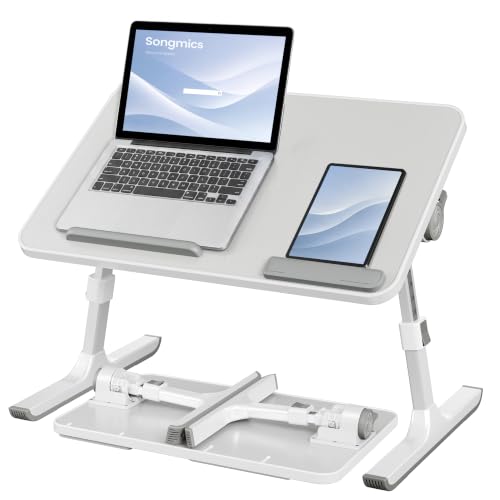
Adjustable Angles
Multiple tilt positions reduce neck strain and improve visibility. Ideal for reading, typing, or drawing.
Storage & Organization
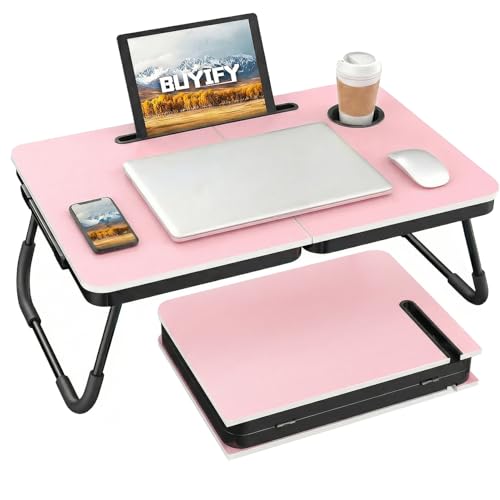
Built-in slots for tablets, phones, or pens keep essentials within reach. Some include cup holders or book rests.
Portability & Weight
Lightweight yet durable designs make it easy to move from bed to couch or store away when not in use.
Types of Bed Desks
Lap Desks: The most common type, designed to rest on your lap. They feature a cushioned underside for comfort and a flat or angled top. Many include a lip to prevent your laptop from sliding.
Over-Bed Desks: These have legs that straddle the bed, offering a larger, more stable surface. They are ideal for heavy laptops or multiple monitors.
Breakfast Trays: Similar to lap desks but often with raised edges and a handle, perfect for eating meals or holding a book.
When selecting, consider your primary use: laptop stands are great for typing, while a flat tray suits writing or dining. For those who work in bed frequently, an adjustable option might offer the best flexibility.
Materials and Build Quality
Bamboo: Eco-friendly, lightweight, and naturally antibacterial. Offers a warm, aesthetic look.
Wood (Solid or Plywood): Durable and classic. Solid wood is heavier but extremely sturdy. Plywood is a good balance of weight and strength.
Plastic/Resin: Lightweight, affordable, and easy to clean. Often comes in vibrant colors.
Metal Frames: Often used in over-bed designs for maximum stability and weight capacity.
Choose a material that matches your style and durability needs. For a durable, stylish option, consider a desk with drawers style lap desk for added storage.
Bed Desk Comparison
| Type | Best For | Weight Capacity | Price Range |
|---|---|---|---|
| Basic Lap Desk | Reading, light typing | 10–20 lbs | $20–$40 |
| Adjustable Angle Lap Desk | Laptops, drawing | 15–30 lbs | $40–$70 |
| Over-Bed Desk | Heavy laptops, multiple monitors | 30–50+ lbs | $80–$200+ |
Ergonomic Tips for Using a Bed Desk
- Posture: Sit upright with back support. Avoid slouching. Use pillows for back and arm support.
- Screen Height: Position the top of your screen at eye level to prevent neck strain. Adjustable angle desks help achieve this.
- Wrist Position: Keep your wrists straight and level with the keyboard. A desk mat or wrist rest can help.
- Take Breaks: Change positions every 30-45 minutes to reduce fatigue and improve circulation.
For a complete comfortable setup, consider pairing your bed desk with a good desk chair for times when you move to a seated desk.
How to Care for Your Bed Desk
To extend the life of your bed desk:
- Clean regularly: Wipe with a damp cloth and mild soap. Avoid harsh chemicals that can damage the finish.
- Check hardware: Tighten any screws or hinges periodically, especially for adjustable models.
- Avoid spills: Use a coaster for drinks. If your desk has a cup holder, use it.
- Store properly: Keep in a dry place when not in use to prevent warping or mold.
For wooden bed desks, occasional polishing with furniture wax can keep the surface looking new.
Ready to Buy Your Bed Desk?
Now that you know the key features, materials, and ergonomic considerations, you're ready to choose the perfect bed desk. Check out our top recommendations below, featuring a curated selection of the best lap desks and over-bed desks available on Amazon.
Remember, the best bed desk is the one that fits your lifestyle, supports your posture, and makes your time in bed more productive and enjoyable.