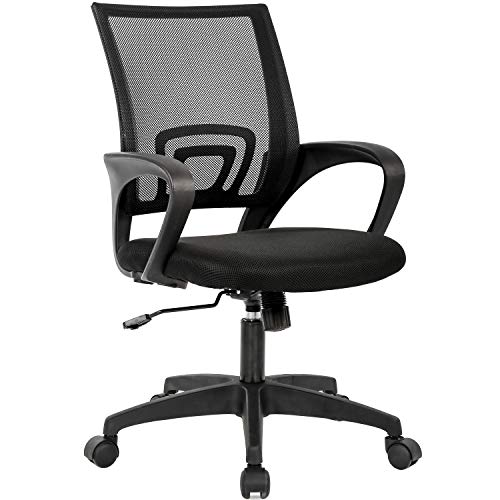
Desk Chair Guide – Choose the Best Seat for Your Workspace
Your desk chair is the most important piece of office furniture. It supports your posture, comfort, and productivity all day long. Whether you're working from home or in a corporate office, the right chair makes all the difference.
Explore Top Desk ChairsWhy Your Desk Chair Matters: A high-quality desk chair reduces back pain, improves focus, and prevents long-term health issues. In this guide, we cover everything from ergonomic features to material choices, helping you make an informed decision. Whether you need a ergonomic desk chair for long hours, a comfortable desk chair for casual use, or a desk chair no wheels for stability, we've got you covered.
Ergonomic Essentials – What to Look For
Adjustable Lumbar Support
Proper lower back support is crucial. Look for chairs with adjustable lumbar height and depth to match your spine's natural curve.
Seat Height & Depth
Your feet should rest flat on the floor. Adjustable seat height (typically 16–21 inches) and depth (16–18 inches) ensure proper thigh support.
Armrest Customization
Adjustable armrests (height, width, and angle) reduce shoulder strain. Look for 4D armrests for maximum flexibility.
Breathable Material
Mesh backs keep you cool during long sessions. Leather or fabric seats offer comfort but may retain heat.
Types of Desk Chairs – Find Your Perfect Match
Executive Desk Chairs
High-back, plush, and often leather. Designed for managers or those who want a commanding presence. Price range: $300–$900
- Premium leather or bonded leather
- Thick padding and high backrest
- Classic style for professional offices
Ergonomic Office Chairs
Fully adjustable, mesh-backed, and designed for all-day comfort. Ideal for remote workers and gamers. Price range: $400–$1,200
- Adjustable lumbar, headrest, and armrests
- Breathable mesh back
- Synchro-tilt mechanism
Gaming Chairs
Bucket-style seats with racing aesthetics. Often include lumbar pillows and high backrests for gaming marathons. Price range: $200–$600
- Bold colors and racing design
- Built-in lumbar and neck pillows
- Tilt and recline functions
Kneeling Chairs
Open-angle posture chairs that reduce lower back strain. Great for people who prefer active sitting. Price range: $150–$400
- Promotes forward-tilt posture
- Reduces pressure on lumbar spine
- Compact and lightweight
Protect Your Floor – Chair Mats Matter
A quality desk chair mat protects your carpet or hardwood from wear and tear. It also allows your chair to glide smoothly, reducing friction and effort. For carpeted floors, use a desk chair mat for carpet with cleats to keep it in place. For hard floors, choose a hard-top mat or a office desk chair floor mat designed for tile or wood.
Pro Tip: A good chair mat extends the life of both your flooring and your chair's casters. It's a small investment that pays off in the long run.
How to Choose the Right Desk Chair for Your Body
- 1. Test the seat pan: Sit all the way back. There should be 2–4 fingers of space between the back of your knees and the seat edge. If you need a larger seat, consider a comfort desk chair with deeper cushion.
- 2. Check lumbar support: The curve should fit your lower back. Adjustable lumbar is best. For additional support, you can add a lumbar pillow.
- 3. Armrest alignment: Your elbows should rest at a 90° angle with shoulders relaxed. Adjustable armrests are key to avoiding neck and shoulder pain.
- 4. Mobility: If you have a large desk, a swivel chair with smooth-rolling casters is ideal. For compact spaces, a desk chair no wheel or a chair with a small base might work better.
Desk Chair Height – Get the Perfect Fit
Your chair should allow your feet to rest flat on the floor while your knees are at a 90° angle. For most standard desks (around 29–30 inches high), a chair with a seat height range of 16–21 inches works well. If you have a height-adjustable desk, you can fine-tune both your desk and chair for the perfect ergonomic setup.
If you're on the taller side (above 6 feet), look for a chair with a taller gas lift or a model specifically designed for tall people. For shorter users, a chair with a lower minimum height or a footrest may be necessary.
Comfort and Posture – Sit Better, Work Better
Even the best good desk chairs can't fix poor posture. Remember to sit with your back against the chair, shoulders relaxed, and screen at eye level. Take breaks every 30–45 minutes to stand, stretch, and walk around.
Consider pairing your chair with a foot stool for under desk to promote better circulation. For those who alternate between sitting and standing, a adjustable stand-up desk combined with a high-quality chair offers the best of both worlds.
Desk Chair Maintenance – Keep It Like New
Regular cleaning and care extend your chair's lifespan. Vacuum fabric chairs, wipe leather with a damp cloth, and tighten screws every few months. If your chair starts to sink, replace the gas cylinder. A well-maintained chair can last 5–10 years.
For more desk-related solutions, explore our guides on desk mats, desk organizers, and monitor stands. You might also find our L-shaped desk and corner desk guides helpful for creating a complete workspace.