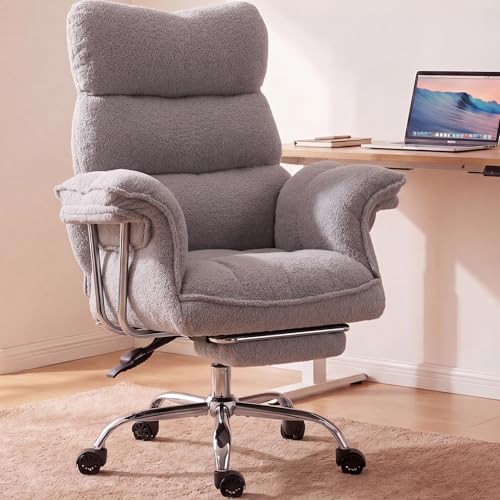
The Ultimate Guide to Choosing a Cushioned Desk Chair
Discover the perfect balance of support and softness. Explore our expert guide on cushioned desk chairs to enhance your comfort and productivity throughout the workday.
SHOP TOP CUSHIONED CHAIRSDid you know that the average office worker spends over 1,700 hours per year sitting at their desk? That's why choosing the right cushioned desk chair is more than just a comfort decision—it's an investment in your health and productivity. A high-quality cushioned office chair can help prevent back pain, improve posture, and keep you focused all day long.
Whether you're looking for a plush executive seat, an ergonomic ergonomic desk chair, or a chair that pairs perfectly with your home office desk, this guide will walk you through every feature that matters, ensuring you make a confident purchase. This is all about desks—and what you sit on matters just as much as what you work on.
Key Features of a Great Cushioned Desk Chair
🪑 Seat Cushion
The heart of a cushioned desk chair. Look for high-density foam or memory foam that provides support without flattening out after a few months.
- Thickness: At least 3–4 inches for long-lasting comfort.
- Material: Memory foam contours to your body, high-resilience foam offers firm support.
- Edge design: Waterfall edges reduce pressure on thighs.
💆♀️ Backrest Support
Lumbar support is non-negotiable. A contoured backrest with adjustable lumbar depth and height can make or break your posture.
- Lumbar adjustment: Allows you to match the natural curve of your spine.
- Backrest recline: Tilt tension and angle adjustment reduce back fatigue.
- Height: Mid-back or high-back depending on your preference and desk setup.
🔧 Adjustability
A chair that fits you personally will significantly reduce pain. Essential adjustments include seat height, armrests, tilt tension, and recline angle.
- Pneumatic height adjustment: Standard for all good desk chairs.
- 3D or 4D armrests: Move up/down, forward/back, rotate.
- Tilt lock: Locks the chair in a reclined position for relaxation.
Understanding Cushion Materials
🧽 High-Density Foam
Firm and durable, high-density foam provides excellent support and retains its shape over time. Ideal for those who prefer a firmer seat that doesn't sink.
Best for: Long workdays, users with lower back pain, heavier individuals.
☁️ Memory Foam
Memory foam molds to your body heat and weight, providing a custom fit and exceptional pressure relief. It's the go-to for ultimate plush comfort.
Best for: Comfort seekers, those with tailbone or hip pain, and users looking for a "cloud-like" experience.
🌿 Gel-Infused Foam
Combines the support of memory foam with cooling gel beads to prevent overheating. Keeps you cool and comfortable during long sitting sessions.
Best for: Users who tend to get hot while sitting, and those who want a balance of comfort and support.
🪶 Natural Latex
Eco-friendly and hypoallergenic, natural latex offers a bouncy, responsive feel. It's highly durable and provides good breathability.
Best for: Eco-conscious users, those with allergies, and users who prefer a springy, responsive seat.
Comparison: Cushioned Desk Chair Types
Understanding the differences can help you choose the best cushioned chair for your needs and workspace.
| Feature | Ergonomic Chair | Executive Chair | Gaming Chair | Kneeling Chair |
|---|---|---|---|---|
| Cushion Type | High-density foam | Plush memory foam | Hybrid (foam + gel) | Thin foam pad |
| Lumbar Support | Excellent (adjustable) | Good (built-in) | Good (often with pillow) | Minimal |
| Adjustability | High (armrests, tilt, height) | Moderate (height, tilt) | High (recline, armrests) | Low |
| Best For | Long workdays, back pain | Comfort, professional look | Gamers, long sitting | Posture correction |
*For most users, an ergonomic desk chair with a cushioned seat is the best balance of support and comfort.
🛒 What to Look For When Buying a Cushioned Desk Chair
1. Seat Depth & Width
Make sure the seat depth allows 2–4 fingers of space between the back of your knees and the seat edge. Width should accommodate your hips comfortably.
2. Lumbar Support Adjustability
A chair mat is essential for movement, but the lumbar support itself should be adjustable in height and depth to fit your spine's natural curve.
3. Tilt Tension Control
This allows you to adjust how easily the chair reclines. A good tension control ensures you can lean back without feeling unsupported.
4. Armrest Adjustability
Look for 3D or 4D armrests that move up/down, in/out, and rotate. This helps maintain relaxed shoulders and wrists.
If you're setting up a new workspace, consider how your comfortable desk chair will fit with your L-shaped desk or corner desk for optimal space utilization.
Frequently Asked Questions
1. What is the difference between a cushioned desk chair and a standard office chair?
A cushioned desk chair typically has a thicker, more plush seat padding (often memory foam or high-density foam) compared to standard chairs, which may use thinner foam. Cushioned chairs prioritize comfort and pressure relief for extended sitting.
2. How long does the cushion in a desk chair last?
Depending on the quality of foam and usage, a good cushion can last 3–5 years. High-density foam and memory foam tend to last longer than cheaper polyurethane foams. Replacing the seat cushion is an option for some chairs.
3. Are cushioned chairs good for back pain?
Yes, if paired with proper lumbar support. The cushion itself provides comfort for the sit bones, but the backrest with adjustable lumbar is crucial for back health. Look for a good desk chair that combines cushion with ergonomic back support.