Desk Monitor Setup Guide
Everything you need to know about choosing, placing, and optimizing your desk monitor for ergonomic comfort and peak productivity.
Your desk monitor is the centerpiece of your workspace. Whether you're working from home, gaming, or managing complex projects, the right monitor setup can transform your daily experience. This guide covers monitor types, ergonomic placement, desk monitor risers, arms, and essential accessories to help you build a workspace that supports your health and efficiency.
Choose the Right Desk Monitor
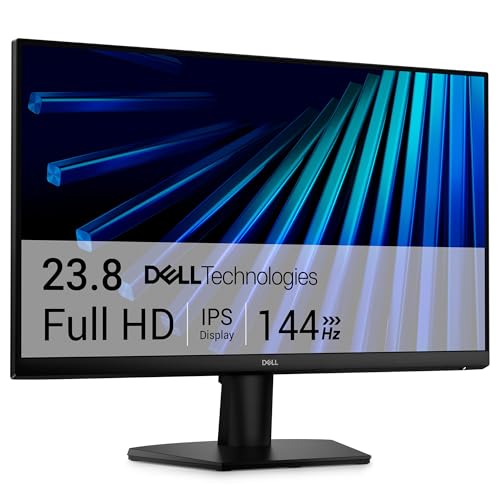
Selecting a monitor involves more than screen size. Consider resolution (1080p, 1440p, 4K), refresh rate (60Hz, 144Hz, 240Hz), panel technology (IPS, VA, TN), and connectivity. For most desk setups, a 27-inch QHD (2560x1440) monitor offers an excellent balance of sharpness and screen real estate. If you handle detailed design work or video editing, a 4K display provides unparalleled clarity. Gamers often prefer high-refresh-rate monitors for smooth motion.
For multitaskers, a dual-monitor desk setup or an ultrawide monitor can boost productivity significantly. Ultrawide (21:9) displays replace two separate monitors, reducing bezel distractions and simplifying cable management. Meanwhile, dual monitors allow independent positioning, which can be ideal for comparing documents or running separate applications side-by-side.
Ergonomic Monitor Placement
Proper monitor height and distance are crucial for preventing neck strain and eye fatigue. The top of your screen should be at or slightly below eye level, and the monitor should be about an arm's length away (roughly 20–30 inches). Adjust the tilt so the screen is perpendicular to your line of sight, reducing glare and maintaining a neutral head posture.
- Height: Your eyes should align with the top quarter of the screen.
- Distance: Sit at arm's length; you should just be able to touch the screen with your fingertips.
- Tilt: Slightly tilt the screen backward (10°–20°) to maintain a natural gaze.
- Lighting: Position your monitor to avoid direct overhead light or windows behind you to reduce glare.
If your current monitor is too low, consider using a desk monitor riser or a monitor arm. Monitor arms offer the most flexibility, allowing you to adjust height, tilt, swivel, and rotation easily. They also free up valuable desk surface space, making your workspace feel more open and organized.
Monitor Arms & Stands
A quality monitor arm is one of the best upgrades for any desk. It provides precise ergonomic adjustments and clears your desk for other essentials. When choosing an arm, check the weight and VESA compatibility of your monitor. Most arms support 17–32 inch screens and can hold up to 20 kg. For dual setups, choose a dual-arm mount that offers independent articulation for each screen.
Fixed stands included with most monitors are adequate but limited. They often lack height adjustment or swivel, leading to suboptimal posture. A monitor riser is a simpler, budget-friendly alternative that lifts your screen and often includes storage space underneath for a keyboard or small accessories.
Complementary Desk Accessories
Desk Monitor Riser
Elevates your screen to the correct height, reduces neck strain, and provides extra storage underneath. Ideal for static setups where the monitor doesn't need to move.
Monitor Arm
Full articulation for height, tilt, swivel, and rotation. Clears desk space and allows easy repositioning. Great for sit-stand desks and multi-monitor configurations.
Desk Mat & Mouse Pad
Protects your desk surface and provides a smooth, consistent surface for your mouse and keyboard. Look for large mats that extend under both peripherals.
Keyboard Tray & Wrist Rest
Keeps your wrists straight and relaxed during typing, reducing the risk of repetitive strain injuries. Pair with an ergonomic keyboard for best results.
Cable Management for a Clean Desk
A tangle of cables can ruin even the most beautiful desk. With multiple monitors, peripherals, and power adapters, organizing cables is essential. Use cable trays, raceways, or adhesive clips to route wires under or behind the desk. Label your cables for easy identification, and consider a desk designed for cable management with built-in channels and grommets.
Dual Monitor & Ultrawide Setups
Dual monitors are a favorite among professionals for enhanced multitasking. Position them side-by-side or stack them vertically, depending on your workflow. For side-by-side, place the primary monitor directly in front of you and the secondary at a slight angle. For stacked setups, the lower monitor should be at eye level, and the upper monitor tilted downward.
Ultrawide monitors offer a seamless panoramic view, eliminating bezels and reducing the need for multiple cables. They are excellent for video editing, stock trading, and immersive gaming. However, they require more desk depth and may need a robust mount to handle their weight. Pair an ultrawide with a monitor riser or arm to achieve optimal height.
Health & Productivity Considerations
Your monitor directly affects your comfort and efficiency. Beyond ergonomics, consider blue light filters, flicker-free technology, and adjustable color temperature to reduce eye strain during long sessions. Most modern monitors include these features, but you can also use software solutions or wear blue-light-blocking glasses.
For professionals who work with color-critical content, such as photographers or graphic designers, a monitor with accurate color reproduction and wide gamut coverage is essential. Look for IPS panels with 100% sRGB or Adobe RGB coverage. Also, consider ambient light sensors that automatically adjust brightness to match room lighting.
To maintain focus, keep your desk clutter-free. Use desk paper organizers, drawer trays, and file organizers to store documents and accessories. A clean workspace promotes a clear mind and increases productivity.
Your Desk Monitor Checklist
- Screen size & resolution: Choose based on your work (e.g., 27" QHD for general use, 4K for design).
- Ergonomic height: Top of screen at eye level, arm's length distance.
- Monitor arm or riser: Ensure proper positioning and free up desk space.
- Color & brightness: Calibrate for your environment to reduce eye strain.
- Connectivity: Check ports (HDMI, DisplayPort, USB-C) compatibility with your computer.
- Desk accessories: Keyboard tray, wrist rest, and quality mouse pad for comfort.
- Cable management: Use ties, trays, or sleeves to keep cables tidy.
By following this guide, you'll create a desk monitor setup that enhances both your health and your work output. Whether you choose a single ultrawide, dual monitors, or a stacked configuration, the key is to tailor the arrangement to your specific needs and maintain good ergonomic habits.