Full Size Bed Frame With Desk Underneath: The Complete Space-Saving Guide
Maximize your bedroom with a smart dual-purpose furniture piece. Learn how a full size bed frame with desk underneath transforms small rooms into productive, comfortable living spaces.
Why choose a full size bed frame with desk underneath? In compact living environments, every square foot matters. A full size bed frame with desk underneath combines sleeping and working areas into a single footprint, freeing up valuable floor space. Whether you live in a studio apartment, dorm, or small bedroom, this furniture solution delivers functionality without sacrificing comfort. This guide covers everything you need to know before making a purchase decision.
What Is a Full Size Bed Frame With Desk Underneath?
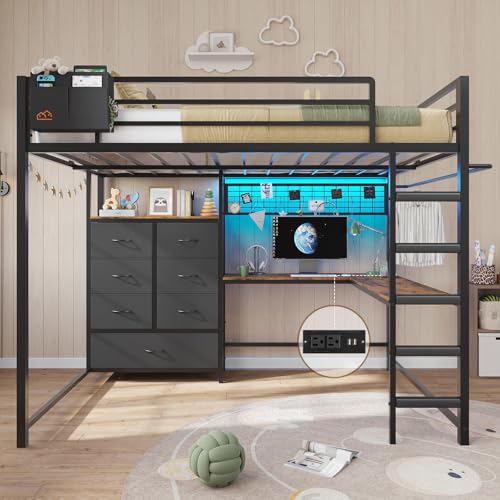
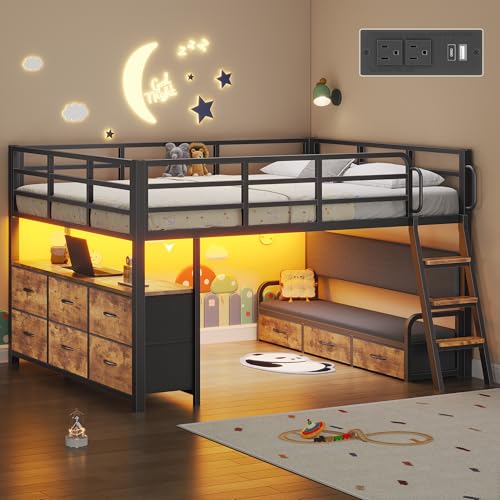
A full size bed frame with desk underneath is a loft-style furniture piece where the sleeping area sits elevated, creating a functional workspace beneath it. Unlike traditional bunk beds that stack two sleeping surfaces, this design dedicates the lower level to a desk, storage, or both. The full size mattress measures 54 inches wide by 75 inches long, providing ample room for adults and teenagers alike.
These frames come in several configurations. Some feature a straight ladder for access, while others incorporate angled staircases with built-in storage. The desk area beneath can range from a simple flat surface to a full workstation with shelving, cable management cutouts, and drawer units. Many models also integrate additional features like guardrails, slat systems that eliminate the need for box springs, and under-bed lighting.
If you are exploring similar space-saving solutions, you might also consider a full bed with desk and storage that adds drawers and cubbies to the equation, or a black full size loft bed with desk for a sleek, modern aesthetic. For those who need two sleeping areas plus a workspace, a full bunk bed with desk underneath offers the best of both worlds.
Key Benefits of This Space-Saving Design
Triple Duty Furniture
One piece of furniture serves as a bed, a desk, and often a storage unit. This consolidation eliminates the need for separate pieces, reducing clutter and freeing up floor area for movement and other activities.
Separate Sleep and Work Zones
Elevating the bed creates a psychological separation between rest and productivity. When you sit at the desk below, your brain associates the space with focus, while the upper level remains a dedicated relaxation zone.
Ideal for Teens and Adults
The full size dimensions accommodate adults comfortably, making this a long-term investment. Unlike twin loft beds that children outgrow, a full size model serves teenagers through college and beyond.
Customizable Workspace
Many models allow you to position the desk on either side, add shelving, or incorporate a keyboard tray. This flexibility lets you tailor the setup to your specific workflow and room layout.
Types of Full Size Bed Frames With Desks
Loft Bed Configuration
The classic loft bed raises the mattress to a height of roughly 5 to 6 feet above the floor, creating a generous workspace below. Access is typically via a ladder or angled staircase. This configuration offers the most headroom at the desk and is ideal for rooms with ceilings of 8 feet or higher. Premium loft beds often include full-length guardrails and reinforced slat systems for safety and mattress longevity.
For a related option that uses the same vertical space philosophy, explore a loft bed with desk and shelves to add open storage within arm's reach of your workspace.
Bunk Bed With Desk Integration
A bunk bed with desk underneath typically stacks two sleeping surfaces, with the desk integrated into the side or end of the lower bunk. This arrangement suits siblings sharing a room or households that frequently host guests. The desk area may be smaller than in a dedicated loft configuration, but the dual sleeping capacity makes it a practical choice for families.
Models like a bunk bed with desk under or a bunk bed with desk underneath provide clear examples of this versatile layout.
Full Bed With Desk and Storage
This variation combines the sleeping platform with a desk and built-in storage—drawers, cubbies, or shelves. It is the most space-efficient option for people who need to organize books, office supplies, and clothing within a compact area. The trade-off is often a slightly higher tier in terms of construction complexity, which typically places these models in the mid-range to premium category.
Comparison: Loft vs. Bunk vs. Storage-Integrated
| Configuration | Tier Category | Best For | Desk Space | Sleeping Capacity |
|---|---|---|---|---|
| Standard Loft Bed | Essential Tier | Single sleeper, students | Generous | 1 (Full) |
| Bunk Bed With Desk | Balanced Tier | Siblings, guest rooms | Moderate | 2 (Twin over Full) |
| Loft With Storage | Premium Tier | Adults, long-term use | Generous + storage | 1 (Full) |
| Staircase Loft | High-End Tier | Younger children, safety-focused | Generous | 1 (Full) |
| Commercial-Grade Loft | Top-Tier | Dorms, heavy daily use | Extra generous | 1 (Full) |
Materials and Construction Quality
The durability of a full size bed frame with desk underneath depends heavily on its construction. Entry-level models often use particle board or MDF with a laminate finish. While these materials are suitable for light use, they may not withstand years of daily activity. Mid-range options typically feature a combination of solid wood slats and metal reinforcement, offering a solid balance of stability and longevity.
Premium and high-end tier models frequently employ heavy-duty steel frames with powder-coated finishes that resist rust and scratches. Solid wood components—pine, oak, or rubberwood—add warmth and natural strength. Commercial-grade frames are engineered for institutional settings such as dormitories and are built to handle constant use with minimal maintenance.
Buying Checklist: What to Look For
- Ceiling height compatibility: Measure your room before purchasing. You need at least 30 inches of clearance between the top of the mattress and the ceiling for comfortable sitting and turning.
- Weight capacity: Verify that the bed frame supports your body weight plus a safety margin. Heavy-duty and commercial-grade models typically publish their limits clearly.
- Ladder or staircase design: Angled staircases are easier on bare feet and safer for children, while straight ladders save floor space. Check that rungs are wide and have a textured surface.
- Guardrail height: A guardrail should extend at least 5 inches above the mattress top. For younger users, higher rails provide extra security during sleep.
- Desk surface area: Ensure the desk is large enough for your monitor, keyboard, and any additional equipment. A depth of at least 20 inches is recommended for comfortable use.
- Cable management: Look for pre-drilled grommets or cutouts that allow you to route power and monitor cables neatly from the desk area.
- Assembly requirements: Most models ship flat-packed. Check whether the manufacturer provides clear instructions and all necessary tools. Some premium models offer professional installation services.
- Safety certifications: Look for certifications from recognized testing organizations that verify structural integrity and finish safety.
Design Ideas and Setup Inspiration
The space beneath a loft bed is a blank canvas. A common approach is to position the desk along the back wall, leaving room for a small chair and a wastebasket. Add a clip-on desk lamp or a desk lamp for focused lighting, and use a desk shelf to elevate your monitor to eye level while gaining storage underneath.
For cable-heavy setups, a cable management system keeps the workspace tidy and prevents tangles. A desk mat protects the surface and adds a touch of personal style. If you need extra seating for guests, a desk chair with adjustable arms offers comfort and support during long study or work sessions.
Consider the overall aesthetic as well. A black desk surface paired with a light wood frame creates a modern contrast, while an all-white finish brightens a smaller room. If you are working with very limited space, a desk for small spaces philosophy applies directly to the compact footprint of an under-bed workstation.
Ready to transform your bedroom into a multifunctional living and working space? Browse our curated selection of full size bed frames with desks underneath and find the perfect fit for your room.
View Recommended ModelsSafety Considerations and Best Practices
Loft and bunk beds require attention to safety that goes beyond standard furniture. Always assemble the frame according to the manufacturer's instructions, using all provided hardware. Periodically check that bolts and screws remain tight, especially after the first few weeks of use. Position the bed away from ceiling fans, light fixtures, and windows to avoid accidents.
Teach children and teenagers to use the ladder or stairs carefully, and discourage jumping or playing on the upper level. If the frame is placed against a wall, consider securing it with anti-tip straps for additional stability. Finally, choose a mattress that fits the frame snugly—a full size mattress measuring 54 by 75 inches is standard, but some frames are designed for specific thicknesses.
Frequently Asked Questions
Is a full size bed frame with desk underneath sturdy enough for daily use?
Yes, when constructed with heavy-duty materials. Look for reinforced steel frames, solid wood slats, and weight capacities that match your needs. Premium and commercial-grade models typically offer superior stability and are designed for daily use.
What ceiling height do I need for a loft bed with a desk underneath?
You need at least 8 feet of ceiling height to comfortably sit at a desk underneath a full size loft bed. For taller individuals, 8.5 to 9 feet is recommended to ensure adequate headroom when seated.
Can a full size bed frame with desk underneath support an adult?
Absolutely. Many models are engineered for adults with weight capacities of 300 pounds or more on the upper bunk. Always check the manufacturer's stated weight limits and choose a heavy-duty or commercial-grade model for the best safety margin.
What is the difference between a loft bed and a bunk bed with a desk?
A loft bed raises the sleeping area to create usable space below, often for a desk. A bunk bed typically has two sleeping areas stacked. Some designs combine both, with a desk integrated alongside the lower bunk.
How do I choose between a ladder and a staircase?
Ladders are space-efficient and suit older children and adults. Staircases are safer for younger children and easier on bare feet, but they consume more floor area. If space allows, an angled staircase with built-in storage offers the best combination of safety and functionality.
Do I need a box spring for a loft bed?
Most modern loft beds use a slat system that eliminates the need for a box spring. The slats support the mattress directly while promoting airflow. Check your specific model's requirements before purchasing a mattress.