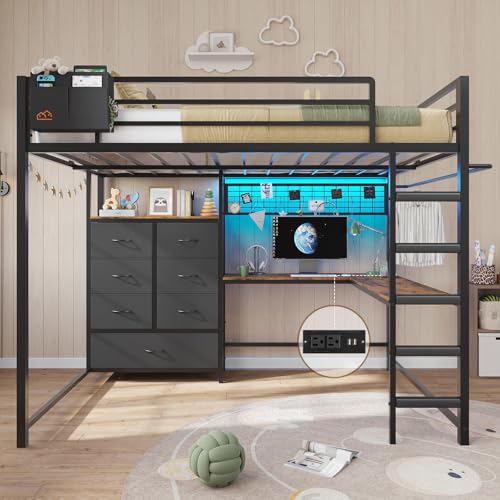
Full Bunk Bed with Desk Underneath: The Complete Space-Saving Solution
Turn one bedroom into a sleep zone and a study zone with a single smart purchase. Learn how full bunk beds with integrated desks work, what to check before buying, and how to set up a comfortable, safe workspace for kids, teens, or adults in compact rooms.
EXPLORE TOP PICKSWhy this guide matters: A full bunk bed with desk underneath is one of the most efficient furniture investments for small bedrooms, shared kids' rooms, dorms, and studio apartments. It stacks a full-size sleeping surface on top of a dedicated study area, freeing floor space for movement and storage.
This guide walks you through layout configurations, frame and material choices, safety considerations, ergonomic desk height, and realistic setup expectations — everything you need to decide with confidence before you buy.
What Exactly Is a Full Bunk Bed with Desk Underneath?
A full bunk bed with desk underneath combines a full-size mattress platform (54 inches wide by 75 inches long) with a built-in workspace directly below or beside the sleeping area. Unlike a standard bunk bed that stacks two sleeping surfaces, this configuration replaces the lower bunk with a desk, shelving, or a hybrid desk-and-storage unit. The result is a vertical furniture stack that serves two primary daily functions — sleep and study — without consuming twice the floor area.
These beds appear in several forms: a loft-style frame with a full-size bed on top and a freestanding or attached desk below, a staggered bunk where the desk sits adjacent to the lower sleeping platform, or a corner unit that wraps the desk along two walls. If you are comparing broader configurations, our guide to bunk beds with desk under covers the general category, while the full bunk bed with desk underneath page focuses specifically on the full-size variant.
Who Benefits Most from This Configuration?
Teens and High-School Students
Full-size sleeping comfort plus a dedicated homework station keeps study materials separate from the sleep zone — a proven way to reduce bedtime distraction and improve focus.
Shared Kids' Rooms
When two siblings share a room, a full bunk with desk underneath gives the older child a private study nook while preserving play space on the floor.
College Dorms and Studio Apartments
Adults in compact living situations gain a real desk surface without sacrificing a comfortable full-size mattress — ideal for remote work and online classes.
Guest Rooms with Dual Purpose
A guest bedroom that doubles as a home office benefits from the same footprint efficiency: the desk serves daytime work, the full bed serves overnight guests.
Common Layout Configurations Compared
Not every full bunk bed with desk underneath is built the same way. The three dominant layouts below differ in footprint, access, and how much desk surface you actually get. Use this comparison to match the layout to your room dimensions and daily routine.
| Layout Type | Best For | Desk Surface | Access & Clearance |
|---|---|---|---|
| Straight Loft | Narrow rooms with one long wall | Full-width desk under the bed | Ladder at one end; desk spans the full length below |
| Corner / L-Shaped | Square rooms with unused corners | Wraps two walls for maximum workspace | Bed along one wall; desk extends into the corner |
| Staggered Bunk | Rooms needing a lower sleep platform too | Desk sits beside the lower bunk | No ladder required for the lower bed; desk accessed from the side |
If your room has an irregular shape or you want to compare additional bed-and-desk pairings, browse the bunk beds with desk underneath collection for more layout inspiration. For rooms where the bed sits high and the desk below needs its own lighting, a dedicated desk lamp becomes essential rather than optional.
Frame Materials: What Holds Up Over Time
The frame is the single most important durability factor in any loft or bunk configuration. A full-size mattress is heavier than a twin, so the structure must be rated accordingly. Here is how the common materials compare:
- Solid wood (pine, oak, maple): The most durable choice for full-size loads. Look for reinforced corner joints and a weight capacity clearly stated for the upper platform. Solid wood also resists wobble better than composite frames.
- Engineered wood (MDF, particle board): Common in mid-range and entry-level units. Acceptable for lighter users, but check for metal reinforcement brackets at stress points — especially where the desk attaches to the frame.
- Metal frames: Heavy-duty steel frames offer the highest weight ratings and the least flex. They pair well with a separate desk below and are common in commercial-grade and dorm-style units.
- Mixed construction: Metal frame with wood slats and a wood desk surface is a balanced option — strong structure with a warmer desk finish.
Whatever material you choose, verify that the frame includes a full slat system or a solid platform for the mattress. A full-size mattress on sparse slats will sag prematurely. If you later decide to upgrade the workspace below, the desk frame guide explains how to evaluate frame stability and weight ratings for freestanding desks.
Safety Checks Before You Buy
Any bed with an elevated sleeping platform deserves a careful safety review, especially in households with children. Run through this checklist before finalizing a purchase:
- Guardrails on all open sides: The upper full-size platform should have guardrails on every side not against a wall, with no gap larger than a few inches between the rail and the mattress.
- Weight capacity stated per platform: Confirm the upper bunk's rated capacity meets or exceeds the intended user's weight with margin. Full-size platforms should be rated for adult use if adults will sleep there.
- Secure ladder attachment: The ladder should hook or bolt to the frame — not lean loosely. Flat rungs are safer than round rungs for bare feet.
- Wall anchoring hardware included: Loft and bunk frames should include anti-tip straps or brackets. Use them. This is non-negotiable for tall units.
- Desk clearance below: Ensure the desk area has enough headroom for a seated user and enough legroom to sit comfortably without hitting the bed frame above.
Setup tip: Assemble the unit with two people and follow the manufacturer's sequence exactly. Overtightening bolts on composite frames can crack the material, while undertightening creates wobble. Re-check all fasteners after the first two weeks of use, then every few months.
Desk Ergonomics Under a Loft Bed
The desk underneath a full bunk bed has fixed height constraints, so ergonomic planning matters more than in a freestanding setup. Standard desk height sits around 28 to 30 inches, and the underside of the bed platform typically clears 50 to 60 inches — leaving comfortable seated headroom for most teens and adults.
To make the workspace comfortable for long study or work sessions, pair the built-in desk with an adjustable desk chair without wheels so the seat height can match the fixed surface. If the built-in desk is slightly too low, a desk with keyboard tray and drawers placed alongside can supplement the workspace. For monitor positioning, keep the top of the screen at or slightly below eye level — a desk shelf or a monitor riser helps achieve this when the surface is fixed.
Lighting is the other critical ergonomic factor. The bed above blocks overhead light, so add a dedicated task light. A clamp-on desk lamp mounted to the desk edge directs light onto the work surface without consuming desk space. If the room is shared, a desk side table can hold supplies outside the under-bed footprint.
Making the Under-Bed Workspace Functional
A desk under a bunk bed often shares space with storage. Many units include built-in shelving, drawers, or a storage staircase. If yours does not, add vertical storage that respects the clearance: stackable desk organizers, a slim desk shelf riser, or wall-mounted floating desk shelves installed on the wall beside the desk rather than under the bed.
Cable management deserves attention early. Power outlets are rarely positioned conveniently under a loft bed, so plan a route for charging cables and device cords using an under desk cable management tray or a cable sleeve. Keeping cords off the floor also reduces tripping hazards near the ladder.
A Simple Decision Framework
Before committing, answer these four questions in order. Each answer narrows the field quickly:
- Who sleeps on top? A child, teen, or adult determines the required weight rating and guardrail height. Full-size platforms rated for adults are a distinct category from kids-only units.
- What is the ceiling height? Add the bed platform height plus the mattress thickness plus the user's height plus a safety margin. If the total exceeds your ceiling, choose a lower loft profile or a staggered bunk.
- How much desk surface do you need? A single monitor and laptop fit on a narrow desk; dual monitors, textbooks, and a printer need a wider or L-shaped surface. Compare with the layouts in our bunk beds with a desk under it overview.
- Will the desk be the primary workspace? If yes, prioritize ergonomic chair compatibility and task lighting over extra storage. If the desk is occasional, storage and bed comfort take priority.
Alternatives Worth Comparing
A full bunk bed with desk underneath is not the only space-saving path. If the room can accommodate a side-by-side arrangement, a full bed with desk keeps the sleeping surface at floor level and simplifies access. A full bed with desk and storage adds drawers or shelving for clothes and supplies. For rooms with very high ceilings and a desire for a dedicated staircase rather than a ladder, a loft bed with desk and storage for adults is a strong alternative.
If the sleeping platform is the priority and the desk secondary, the full size bed frame with desk underneath category offers simpler frames. And if the room layout favors a corner footprint, compare the bunk bed with storage stairs and desk — the staircase doubles as storage and removes the ladder-access concern entirely.
Frequently Asked Questions
Is a full bunk bed with desk underneath safe for adults?
Yes, provided the frame is rated for adult weight on the upper platform and includes guardrails and wall-anchoring hardware. Check the manufacturer's stated weight capacity before purchase — adult-rated full-size loft frames are typically reinforced at the corners and use a full slat system.
How much ceiling height do I need?
Measure from the floor to the ceiling, then subtract the mattress thickness and the height of the tallest user. Leave at least 2 to 3 inches of clearance above the user's head when seated on the bed. Most standard full loft configurations require ceilings of roughly 8 feet or more for comfortable adult use.
Can I replace the built-in desk with my own?
Often yes, if the bed frame is freestanding and the desk is not structurally integrated. Verify that the replacement desk fits within the under-bed clearance and does not interfere with the frame's support posts. Some units use the desk as a structural brace — in that case, keep the original or consult the manufacturer.
What mattress thickness works best for a full loft bed?
Choose a mattress that keeps the top surface at or below the guardrail height. A mattress that rises above the guardrail defeats the safety feature. Many manufacturers specify a maximum mattress thickness for the upper platform — follow that guidance exactly.
How do I light a desk under a bunk bed?
Because the bed blocks overhead light, use a dedicated task light. A clamp-on lamp attached to the desk edge or a battery-powered LED bar mounted under the bed frame provides direct light on the work surface without occupying desk space or adding cords near the ladder.
Ready to Compare Full Bunk Bed with Desk Options?
Browse curated picks that match the layouts and safety criteria covered in this guide.
VIEW RECOMMENDED MODELS