
Mat to Stand On for Standing Desk — Complete Comfort Guide
Discover how the right anti-fatigue mat transforms your standing desk experience. Expert insights on materials, thickness, ergonomics, and top-tier options for all-day comfort.
EXPLORE TOP MATSWhy a Standing Desk Mat Matters: Standing desks have revolutionized the modern workspace, but standing on a hard floor for hours can cause fatigue, joint pain, and discomfort. The right mat to stand on for your standing desk provides shock absorption, encourages subtle movement, and promotes better circulation — turning your standing desk from a health trend into a genuinely sustainable way to work.
Understanding Anti-Fatigue Mats for Standing Desks
What Does a Standing Desk Mat Actually Do?
An anti-fatigue mat is engineered to reduce the physical stress of prolonged standing. Unlike a simple carpet or rug, these mats use specialized foam, gel, or rubber compounds that compress slightly under your weight, encouraging micro-movements in your feet and legs. This constant subtle motion activates your muscles, promotes blood flow, and prevents the stiffness that comes from standing rigidly on a hard surface.
When you use a quality mat beneath your standing desk, you're not just adding cushioning — you're investing in a tool that supports your body's natural biomechanics. Many professionals who use standing desks regularly report that a mat is the single most impactful accessory they've added to their setup.
Key Benefits of Using a Mat with Your Standing Desk
- Reduced fatigue: Cushioned support prevents the "tired legs" feeling that discourages standing desk use.
- Improved circulation: Subtle instability encourages calf muscle activation, which pumps blood back toward your heart.
- Joint protection: Shock absorption reduces pressure on knees, hips, and lower back.
- Better posture: Comfortable footing helps you maintain an upright, relaxed stance.
- Increased standing time: With less discomfort, you'll naturally stand longer and get more benefit from your height-adjustable desk.
- Floor protection: Prevents wear and tear on hardwood, tile, or laminate beneath your workspace.
Types of Mats to Stand On for Standing Desks
1. Flat Anti-Fatigue Mats
The most common type, these mats feature a uniform thickness (typically 0.75 to 1 inch) across the entire surface. They're ideal for users who prefer a stable, predictable standing surface. Flat mats are easy to clean, work well with any electric standing desk, and are available in a wide range of sizes. Entry-level flat mats offer basic cushioning, while premium models use high-density memory foam or gel cores that retain their shape over years of use.
2. Contoured / Ergonomic Mats
These feature raised edges, massage ridges, or a domed center that encourages you to shift your feet and legs throughout the day. The varied terrain promotes active standing, which is significantly healthier than static standing. Mid-range and high-end tier contoured mats often include a "massage ball" or textured zone for foot relief. If you have a large L-shaped standing desk or an adjustable office desk, a contoured mat can cover a generous standing zone.
3. Standing Desk Balance Boards
For those who want maximum engagement, a balance board mat combines cushioning with a rocking or tilting mechanism. These are best suited to users with good balance who want to actively exercise their core and leg muscles while working. They're not recommended for beginners or those who need maximum stability. A balance board pairs well with a standing desk setup for short intervals rather than all-day use.
4. Interlocking Puzzle Mats
These modular foam tiles snap together to create a custom-sized standing area. They're excellent for large workspaces, shared offices, or irregular floor shapes. Starter tier puzzle mats offer basic cushioning, while commercial-grade versions provide superior durability for high-traffic areas.
Key Features to Evaluate in a Standing Desk Mat
Thickness and Density
Thickness alone doesn't determine quality — density matters just as much. A thick but low-density foam will compress permanently within months. Look for mats described as "high-density," "memory foam," or "gel-infused." Generally:
- Entry-level: 0.5 to 0.75 inches — adequate for short standing sessions.
- Mid-range: 0.75 to 1 inch — balanced support for most users.
- Premium / high-end tier: 1 to 1.5 inches with advanced foam or gel — ideal for all-day standing.
Surface Texture and Grip
The top surface should provide traction without being abrasive. Many quality mats feature a textured or pebbled surface that grips socks, shoes, or bare feet. The bottom should have a non-slip backing to prevent the mat from sliding on hardwood or tile — especially important if you use a compact desk in a small space where the mat may partially overlap other flooring.
Size and Coverage Area
Your mat should cover the full area where you stand and step while working. A mat that's too small forces you to stay in one rigid spot, defeating the purpose. For a dual monitor desk setup, consider a wider mat (typically 30 to 36 inches wide). For corner or L-shaped desks, an interlocking or larger contoured mat may work best.
Ease of Cleaning and Durability
Look for mats with a wipe-clean surface and beveled edges that won't curl or trip you. Premium materials resist cracking, fading, and compression over years of daily use. A well-made mat is a long-term investment that outlasts multiple desk upgrades.
Pro Tip: If you alternate between sitting and standing throughout the day, consider a mat that's easy to slide out of the way or one with a low-profile edge. Many users pair a standing mat with a foot stool for desk use during seated periods, creating a complete ergonomic floor setup.
Standing Desk Mat Comparison by Tier
| Tier | Typical Materials | Best For | Durability | Key Features |
|---|---|---|---|---|
| Entry-Level | Basic foam, PVC | Short standing sessions, beginners | 1–2 years typical | Flat surface, basic cushioning, limited sizes |
| Mid-Range | High-density foam, memory foam | Daily standing desk users | 3–5 years typical | Textured surface, beveled edges, multiple size options |
| Premium / High-End Tier | Gel-infused foam, advanced polyurethane | All-day standing, professionals | 5+ years typical | Contoured terrain, massage zones, anti-microbial surface |
| Professional-Grade / Commercial | Reinforced rubber, industrial foam | Shared offices, high-traffic areas | 7+ years typical | Heavy-duty construction, modular systems, extreme durability |
| Specialty (Balance Boards) | Wood, composite, rubber | Active standing, core engagement | Varies by construction | Rocking/tilting motion, workout integration |
Note: Tiers reflect relative market positioning, not absolute specifications. Individual products vary within each category.
How to Choose the Right Mat for Your Standing Desk
Consider Your Standing Duration
If you're new to standing desks and plan to stand for 30–60 minutes at a time, an entry-level or mid-range flat mat will serve you well. If you aim to stand for several hours daily — common among users of electric height-adjustable standing desks — invest in a premium contoured or gel mat that provides superior support and encourages movement.
Match the Mat to Your Flooring
Hard floors like tile, concrete, or hardwood demand more cushioning. Carpet provides some natural give, so a thinner mat may suffice. If you already use a mat for under desk chair on carpet, coordinate your standing mat to avoid overlap issues and maintain a smooth transition zone.
Account for Your Footwear
Barefoot or sock-standing users benefit most from soft, textured surfaces. Those who wear shoes or slippers may prefer firmer mats with less give. If you use an adjustable desk for office environments where professional footwear is standard, a mid-range flat mat with moderate density is often the most practical choice.
Think About Your Workspace Layout
For small space desk setups, choose a mat that fits neatly within your standing zone without encroaching on walkways. For expansive setups with L-shaped wood desks for home office use, interlocking mats or a large contoured mat can create a generous standing area. If you work at a dining table desk conversion, a portable, lightweight mat is easiest to store when not in use.
Caring for Your Standing Desk Mat
Daily Maintenance
- Wipe the surface with a damp cloth weekly to remove dust and oils.
- Avoid harsh chemical cleaners that can degrade foam or rubber.
- Rotate the mat periodically if you always stand in the same spot to prevent uneven compression.
Long-Term Care
- Air out the mat occasionally to prevent moisture buildup underneath.
- Check the non-slip backing regularly — replace the mat if the grip deteriorates.
- Store flat or rolled loosely (never folded) if you need to move it.
- For premium mats with covers, follow the manufacturer's cleaning instructions to preserve the foam core.
Frequently Asked Questions
Do I really need a mat for my standing desk?
While not strictly required, a mat is highly recommended for anyone who stands for more than 30 minutes at a time. Hard floors transmit impact through your feet, knees, and lower back, accelerating fatigue. A quality mat dramatically improves comfort and helps you maintain healthy standing habits throughout the workday.
What thickness is best for a standing desk mat?
For most users, a mat between 0.75 and 1 inch thick provides the ideal balance of cushioning and stability. Thinner mats offer less relief, while thicker mats (1.5 inches or more) can feel unstable and may create a tripping hazard. High-density materials at moderate thickness outperform thick but low-density foam.
Are contoured mats better than flat mats?
Contoured mats encourage movement and can reduce fatigue more effectively for long standing sessions. However, flat mats offer a more stable, predictable surface that some users prefer — especially those with balance concerns or who wear certain footwear. The best choice depends on your standing duration and personal preference.
Can I use a standing desk mat on carpet?
Yes, but choose a mat with a firm, non-slip base designed for carpeted surfaces. Very thick, soft mats may sink into plush carpet and lose effectiveness. If you also use a mat for under desk chair on carpet, consider how the two will interact — some users prefer a single larger mat that covers both zones.
How long do standing desk mats last?
Entry-level mats typically last one to two years with daily use. Mid-range mats offer three to five years, while premium and professional-grade mats can last five to seven years or more. Proper care, including regular cleaning and periodic rotation, extends the lifespan of any mat.
Should I use a balance board instead of a mat?
Balance boards are best used for short, focused intervals — typically 15–30 minutes — as a complement to a flat or contoured mat, not as a full-day standing surface. They're excellent for engaging core muscles but can be tiring and destabilizing for prolonged use. Many standing desk veterans keep both on hand.
Final Thoughts on Choosing a Mat to Stand On
The best mat to stand on for your standing desk is the one that matches your body, your workspace, and your daily standing habits. Prioritize high-density materials over sheer thickness, choose a surface texture that feels comfortable underfoot, and consider how the mat integrates with your overall ergonomic setup — including your desk chair with adjustable arms for seated periods and your foot stool for alternating support.
Whether you're outfitting a height-adjustable desk for home office use or a professional office workstation, a well-chosen anti-fatigue mat is one of the most effective ways to make standing work sustainable, comfortable, and genuinely beneficial for your long-term health.
View Recommended Standing MatsRecommended Mats to Stand On for Standing Desks
⚠️ AFFILIATE DISCLOSURE: This website contains affiliate links. As an Amazon Associate, we earn from qualifying purchases. If you make a purchase through these links, we may receive a small commission at no additional cost to you. Read our full affiliate policy.

FEATOL Anti Fatigue Mat for Standing Desk & Kitchen Floor, 9/10 Extra Thick | Ergonomic Memory Foam Standing Mat,Cushioned Comfort Floor Mat for Office,Kitchen, Home, All-Day Work (20" x 32", Black, 1PC)
Check price on Amazon
Kitchen Mat Cushioned Anti Fatigue Rug Standing and Comfort Floor Mats | Water-Resistant, Non-Slip, Easy to Clean Comfort Floor Mat for Kitchen, Sink & Office, Multiple Colors & Sizes, 17.3"x28"
Check price on Amazon
4/5 Inch Thick Kitchen Mat - Cushioned Anti Fatigue Mat for Kitchen Floor | Easy to Clean, Water Resistant, Non-Slip Thicker Rug, Standing Desk Mat for Sink, Office, Kitchen (17''x24'', Black)
Check price on Amazon
FEATOL 0.9" Anti Fatigue Mat for Industrial & Standing Mat & Home Kitchen | Memory Foam Eases Leg & Back Pain on Concrete; Standing Desk, Garage; Non-Slip, Easy Clean (Yellow Border, 20" x 39", 1PC)
Check price on Amazon
FEATOL 9/10 Extra Thick-Anti Fatigue Mat for Standing Desk & Kitchen Floor | Ergonomic Memory Foam Standing Mat,Cushioned Comfort Floor Mat for Office,Kitchen, Home, All-Day Work (17" x 24", Black, 1PC)
Check price on Amazon
Mount-It! Anti Fatigue Floor Mat, 18x22", Black | Anti-slip, washable rubberized gel foam mat for standing desks, kitchens & offices.
Check price on Amazon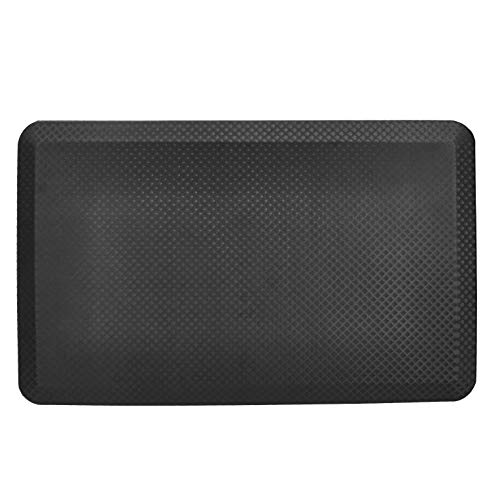
Amazon Basics 3/4" Rectangular Durable Anti-Fatigue Supportive Comfort Standing Mat, 32" x 20", Black
Check price on Amazon