Monitor Riser Guide: Elevate Your Screen, Improve Your Posture
Discover how a monitor riser can transform your workspace ergonomics, reduce neck and eye strain, and boost your daily productivity.
Shop Top Monitor Risers →Why Your Desk Needs a Monitor Riser
If you spend hours in front of a computer, you've likely experienced neck pain, eye fatigue, or slouching. The root cause is often poor screen height. A monitor riser (also called a monitor stand or desk riser) elevates your screen to eye level, promoting a neutral spine position and reducing strain on your neck and shoulders.
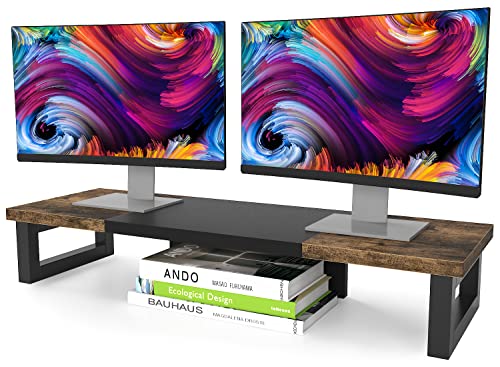
Beyond ergonomics, a riser frees up valuable desk space underneath for storing your external keyboard, notebooks, or other desk organizer trays. It's one of the most affordable and impactful upgrades for any workstation.
Whether you're setting up a home office desk or optimizing a standing desk for home office, choosing the right riser is essential. This guide covers everything you need to know—from materials and height to compatibility with monitor reviews and desk setup layout.
Key Benefits of a Monitor Riser
🪑 Ergonomics & Posture
Positions your screen at eye level, reducing forward head posture and preventing chronic neck and back pain.
📏 Space Efficiency
Creates valuable storage space underneath for keyboards, documents, or desk storage solutions.
💻 Dual Monitor Support
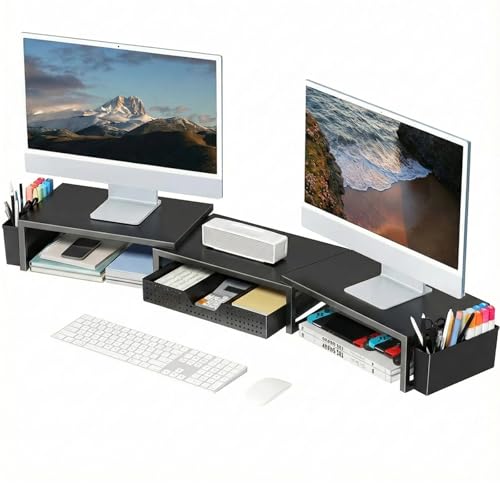
Many risers can hold two monitors, creating a seamless multi-screen workflow for increased productivity.
🔄 Versatility
Works with both electric standing desks and traditional desks, adapting to your changing needs.
Types of Monitor Risers
Monitor risers come in various materials and designs. Choosing the right one depends on your monitor size, desk setup, and aesthetic preferences.
- Wood Risers: Offer a warm, natural look that complements wood desk setups. Durable and stable, they often feature built-in storage drawers.
- Glass Risers: Provide a sleek, modern appearance. Ideal for clear glass desk or contemporary workspaces.
- Metal/Aluminum Risers: Lightweight yet sturdy, with adjustable height options. Perfect for modern steel desk environments.
- Adjustable Risers: Feature telescoping legs or gas springs for precise height and angle adjustments. Great for adjustable desk ergonomics.
- Multi-Tier Risers: Include two levels to elevate both monitor and laptop, ideal for dual monitor setup.
For most users, a sturdy wooden or adjustable metal riser offers the best balance of function and durability.
Riser Comparison at a Glance
| Material | Weight Capacity | Adjustability | Best For | Price Range |
|---|---|---|---|---|
| Wood | Up to 60 lbs | Fixed | Desks with natural decor | $40–$120 |
| Glass | Up to 50 lbs | Fixed | Modern/minimalist setups | $50–$150 |
| Aluminum/Metal | Up to 70 lbs | Height-adjustable | Heavy monitors & dual setups | $60–$200 |
| Adjustable Pneumatic | Up to 80 lbs | Full adjustability | Ergonomic flexibility | $80–$250 |
How to Choose the Perfect Monitor Riser
Before purchasing, consider these factors to ensure you get the best monitor riser for your needs:
- Monitor Weight & Size: Check the riser's weight capacity. Most risers support 22–32 inch monitors. For ultra-wide or heavy gaming monitors, choose a model with higher capacity.
- Height & Adjustability: Your eyes should align with the top third of the screen. If you're using a standing desk height that changes frequently, an adjustable riser is ideal.
- Desk Space: Measure your desk depth and width. A riser with a smaller footprint works well for best desks for small spaces.
- Cable Management: Look for risers with built-in cable channels or routing slots to keep your desk cable management tidy.
- Material & Aesthetics: Choose a material that matches your existing furniture. A black desk pairs well with metal or dark wood risers.
If you're using a sit-stand desk converter, ensure the riser fits securely on the converter's platform without compromising stability.
Pro Tips for Setting Up Your Monitor Riser
Proper placement maximizes ergonomic benefits. Follow these steps for an optimal setup:
- Eye Level: Position the top of your screen at or slightly below eye level. This keeps your neck in a neutral position.
- Arm Distance: Place the monitor at arm's length (about 20–30 inches) from your eyes to reduce eye strain.
- Keyboard & Mouse Placement: Use the space under the riser for your external keyboard and ergonomic mouse, keeping your arms at a 90-degree angle.
- Dual Monitor Alignment: If using two monitors, align them so the primary screen is centered and the secondary screen is slightly angled toward you.
- Lighting: Position the riser so there's no glare on the screen. Use a desk lamp or monitor light bars for even illumination.
For standing desks, adjust the riser so your wrists remain straight while typing. Refer to our standing desk height calculator for precise measurements.
Caring for Your Monitor Riser
To keep your riser looking and performing its best:
- Clean regularly: Use a microfiber cloth for glass or metal surfaces. For wood, use a furniture polish suitable for desk material care.
- Check stability: Periodically tighten any screws or bolts, especially for adjustable models.
- Avoid overloading: Respect the weight capacity to prevent warping or collapse.
- Protect from moisture: Wipe up spills immediately to prevent damage to wood or metal finishes.
Elevate Your Workspace Today
A monitor riser is a small investment with massive returns in comfort, health, and productivity. Whether you're a remote worker, gamer, or creative professional, the right riser transforms your desk setup ideas into an ergonomic haven.
Ready to find your perfect match? Browse our curated selection of top-rated monitor risers below. Each product is vetted for quality, durability, and ergonomic value.
Still unsure? Check out our desk product reviews for detailed comparisons or explore our guide on desk riser options for other creative uses.