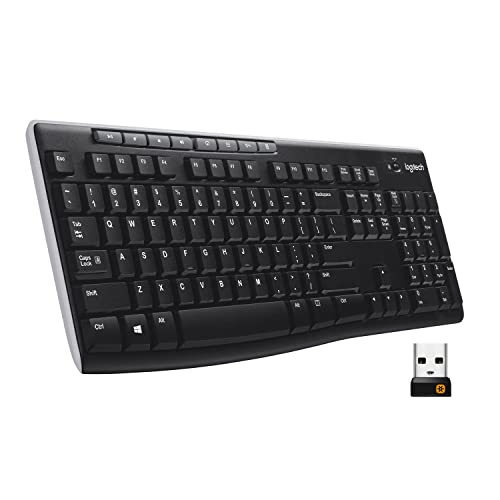
External Keyboard Guide: Find Your Perfect Typing Companion
Boost your desk productivity and comfort with the ideal external keyboard. Whether you're coding, gaming, or writing, our expert guide covers mechanical, wireless, ergonomic, and budget options to match your workflow.
Shop Top Rated Keyboards →An external keyboard is one of the most impactful upgrades you can make to your desk setup. Unlike laptop keyboards, external keyboards offer better ergonomics, faster typing speeds, and a more satisfying tactile experience. Whether you prefer the clicky feedback of mechanical switches or the quiet convenience of a wireless membrane board, choosing the right keyboard can transform your daily workflow and reduce wrist strain.
Why You Need an External Keyboard
🔧 Ergonomic Comfort
External keyboards allow you to position your hands at a natural angle, reducing wrist pronation and the risk of repetitive strain injuries. Pair with a desk keyboard tray for optimal height.
⚡ Increased Productivity
Mechanical and full-size keyboards with dedicated number pads speed up data entry and navigation. Many models include programmable macros for repetitive tasks.
🎮 Versatility for Work & Play
From quiet membrane keyboards for shared offices to clicky mechanical switches for gaming, there's an external keyboard for every need. Connect via USB, Bluetooth, or RF dongle.
🖥️ Better Desk Aesthetics
A premium external keyboard adds a polished look to your desk setup layout. Choose from RGB-backlit, minimalist, or retro designs to match your style.
Types of External Keyboards
Mechanical Keyboards
Each key has an individual mechanical switch under it, offering tactile, clicky, or linear feedback. Popular switch brands include Cherry MX, Gateron, and Kailh.
- Tactile: Bump feel, great for typing (e.g., Cherry MX Brown)
- Clicky: Audible click, satisfying for typists (e.g., Cherry MX Blue)
- Linear: Smooth keystroke, preferred by gamers (e.g., Cherry MX Red)
Wireless Keyboards
Connect via Bluetooth or 2.4GHz USB dongle for a clutter-free desk cable management solution. Ideal for minimalists and multi-device setups.
- Bluetooth: Pair with multiple devices (laptop, tablet, phone)
- RF Dongle: Reliable, low-latency connection for gaming
- Battery Life: Rechargeable or replaceable batteries
Ergonomic Keyboards
Designed to reduce strain on wrists and forearms. Features include split layouts, tenting (angled), and curved key wells.
- Split: Separate left and right halves for natural shoulder width
- Tented: Raised middle section to keep wrists in neutral position
- Contoured: Sculpted key wells for finger reach
Compact & Low-Profile
Space-saving designs without a number pad (e.g., 60%, 75%, TKL). Low-profile switches offer a laptop-like feel.
- 60%: Minimal footprint, ideal for small spaces desk
- TKL (Tenkeyless): No number pad, more mouse room
- Low Profile: Slimmer keys, shorter travel distance
External Keyboard Comparison at a Glance
| Feature | Mechanical | Wireless | Ergonomic | Compact |
|---|---|---|---|---|
| Best For | Typists, gamers | Minimalists, multi-device | Office workers, RSI prevention | Small desks, portability |
| Switch Feel | Tactile/Clicky/Linear | Membrane or mechanical | Varies (often membrane) | Membrane or low-profile mechanical |
| Connection | Wired (USB-C) | Bluetooth / RF | Wired or Wireless | Wired or Wireless |
| Price Range | $50–$200 | $30–$150 | $60–$300 | $25–$120 |
Positioning & Ergonomics
💡 Pro Tip: For optimal comfort, place your external keyboard directly in front of you, with your elbows at a 90° angle and wrists straight. Use a desk keyboard tray or wrist rest to maintain a neutral position. Your monitor should be at eye level; consider a monitor riser or monitor stand guide for proper alignment.
The ideal keyboard height is just below elbow level. If your desk is too high, an adjustable standing desk height calculator can help you find the perfect setting. For sit-stand setups, pair your keyboard with a standing desk accessory like a floating shelf or monitor arm to maintain ergonomics in any position.
Connectivity & Compatibility
Most external keyboards connect via USB-A or USB-C for wired use, or Bluetooth/2.4GHz for wireless. Ensure compatibility with your operating system (Windows, macOS, Linux, Chrome OS). Many wireless keyboards support multi-device pairing, letting you switch between your desktop, laptop, and tablet with a button press. For a stable connection in busy office environments, a wired keyboard is still the most reliable choice—no interference, no battery anxiety.
How to Choose Your External Keyboard
Consider your primary use case: For typing-heavy work, mechanical keyboards with tactile or clicky switches provide excellent feedback and reduce typing fatigue. For gaming, look for low-latency wired or high-speed wireless models with linear switches. For shared or quiet spaces, membrane or low-profile keyboards with silent switches are best. For ergonomic concerns, split or tented keyboards can help prevent carpal tunnel syndrome.
Don't forget to factor in your desk setup layout—a compact 60% keyboard frees up space for your mouse and other peripherals, while a full-size with number pad is ideal for accounting or data entry. And remember, a good keyboard paired with a comfortable ergonomic office chair and proper monitor placement completes the ultimate productive workspace.
Ready to buy? Browse our curated selection of top-rated external keyboards below. Each product is chosen for quality, value, and user satisfaction.
Explore more: If you're upgrading your entire setup, also check our guides on ergonomic mouse selection, monitor review for the best displays, laptop docking station for seamless connectivity, and desk accessories to complete your workspace. For small spaces, see our best desks for small spaces page.