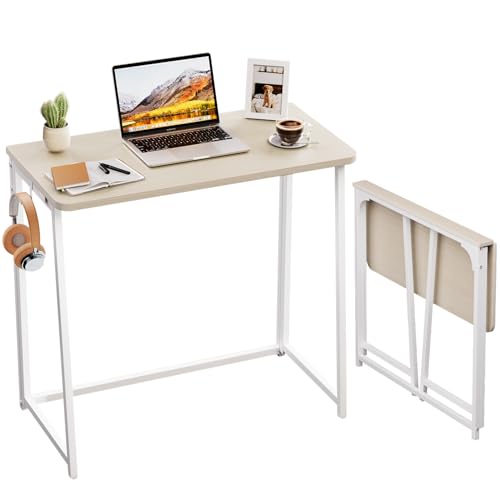
Slim Desk Guide: The Ultimate Space-Saving Workstation
Discover the perfect slim desk for your home office. Compact, stylish, and functional — designed for small spaces without compromising on productivity.
What is a Slim Desk? A slim desk (also called a narrow or thin desk) is a space-efficient workstation typically 18–24 inches deep. Perfect for apartments, small offices, or minimalist setups, it offers a clean work surface while maximizing floor space.
Why Choose a Slim Desk?
Space-Saving Design
Ideal for tight corners, narrow rooms, or multi-purpose areas. Leaves room for other furniture.
Minimalist Aesthetic
Clean lines and compact footprint create a modern, uncluttered look that fits any decor.
Versatile Placement
Fits against walls, in hallways, or even as a floating shelf desk.
Budget-Friendly
Often more affordable than full-size desks, making them great for home office desks on a budget.
Slim Desk Materials & Styles
When choosing a slim desk, material matters for durability and aesthetics. Here are popular options:
- Wood / Bamboo: Warm, natural look. Options like L-shaped desks in slim profiles.
- Metal / Industrial: Sturdy and modern. Often paired with glass or wood tops.
- Glass: Sleek and makes small spaces feel larger.
- Laminate / MDF: Affordable, easy to clean, available in many finishes.
For a classic look, consider a secretary desk with a slim profile, or a roll-top desk for compact storage.
Ergonomics & Setup Tips
A slim desk can still be ergonomic. Ensure proper monitor height with a monitor stand for desk. Use a desk chair that fits under the desk when not in use. For standing options, look at adjustable standing desks in slim sizes.
Organize cables with under-desk organization solutions to keep the surface clean. A leather desk mat protects the surface and adds style.
Who Benefits from a Slim Desk?
- Students: Perfect for dorm desks or study nooks.
- Remote Workers: Efficient home office setup in small apartments.
- Minimalists: Keep only essentials on a narrow surface.
- Gamers: A gaming desk top in slim dimensions for compact battle stations.
- Kids: Kids desks that save space.
Top Slim Desks on the Market
Here are some of the best slim desks available, with prices reflecting current market trends. Prices range from $150–$600 for most models, with premium options up to $1,200+.
- Basic Slim Desk (Laminate): $150–$250 – Great for light use.
- Wooden Slim Desk (Solid Wood): $300–$600 – Durable and stylish.
- Adjustable Height Slim Desk: $400–$800 – Electric standing desk in slim profile.
- Wall-Mounted Slim Desk: $200–$500 – Floating desk saves floor space.
For small spaces, consider a corner desk that maximizes every inch, or a foldable desk for occasional use.
Ready to Find Your Perfect Slim Desk?
Explore our curated selection below. Each product is chosen for quality, design, and space-saving features. Click any desk to learn more or purchase.