Standard Office Desk: Complete Guide to Dimensions, Materials & Ergonomic Setup
Everything you need to know about standard office desks. From size and materials to cable management and ergonomic accessories — build your ideal workspace.
Shop Recommended DesksWhy a Standard Office Desk? The standard office desk is the backbone of countless workspaces. Its balanced dimensions, versatile design, and wide range of material options make it the most popular choice for home offices, corporate environments, and study areas. Whether you need a small office desk for a compact room or a standing office desk for better health, the standard desk provides a solid foundation.
What Is a Standard Office Desk?
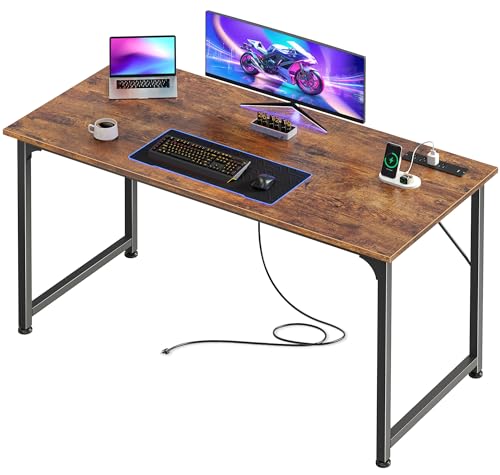
A standard office desk typically refers to a rectangular or slightly shaped work surface designed for general office tasks. It’s the most common desk type you’ll find in offices, schools, and homes. Unlike specialized desks like gaming desks or L-shaped desks, the standard office desk prioritizes simplicity, functionality, and adaptability.
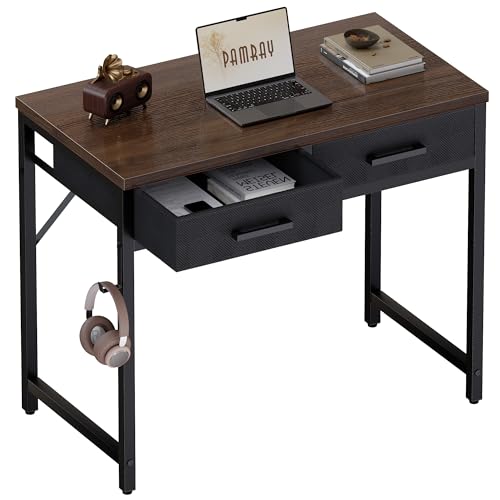
These desks are available in a range of materials including solid wood, laminate, metal, and engineered wood. They often include features like built-in storage, cable management grommets, and adjustable legs. For those who prefer a standing desk with drawers, many modern standard desks also offer sit-stand functionality.
📐 Optimal Dimensions
Standard office desks typically measure 48–72 inches wide and 24–36 inches deep, fitting most workspaces comfortably.
🪵 Durable Materials
Choose from solid wood, high-pressure laminate, or metal frames to match your style and durability needs.
🧑💻 Ergonomic Ready
Designed to work seamlessly with monitor arms, keyboard trays, and other ergonomic accessories.
🧹 Easy to Organize
Pair with cable trays, desk organizers, and under-desk storage to keep your workspace tidy.
Standard Office Desk Dimensions & Sizes
Choosing the right size is critical for comfort and productivity. Most standard office desks fall into these common size categories:
| Width | Depth | Height | Best For |
|---|---|---|---|
| 48" (122 cm) | 24" (61 cm) | 29"–30" (74–76 cm) | Compact spaces, single monitor setups |
| 60" (152 cm) | 30" (76 cm) | 29"–30" (74–76 cm) | Most common size, dual monitors |
| 72" (183 cm) | 30"–36" (76–91 cm) | 29"–30" (74–76 cm) | Larger workspaces, multiple monitors |
If you’re unsure about height, consider an adjustable standing desk frame that allows you to switch between sitting and standing positions. For smaller rooms, a small corner desk or space-saving desk might be a better fit.
Materials: Choosing the Right Desk Surface
The material of your standard office desk affects durability, aesthetics, and maintenance. Here’s a breakdown of the most popular options:
- Solid Wood – Classic, durable, and beautiful. Options like walnut desks and oak desks offer timeless appeal. Requires regular care but lasts a lifetime.
- Laminate – Affordable, scratch-resistant, and available in many finishes. Great for high-traffic offices.
- Metal & Steel – Modern, sturdy, and often used in industrial-style desks. Pairs well with glass or wood tops.
- Glass – Sleek and contemporary, but requires frequent cleaning. Not ideal for heavy equipment.
- Engineered Wood (MDF, Plywood) – Cost-effective and stable. Often used in laminate desks and budget-friendly options.
If you’re on a budget, a budget standing desk or laminate desk can provide excellent value without compromising on functionality.
Ergonomic Setup for Your Standard Office Desk
Even the best desk won’t help if it’s not set up correctly. Follow these ergonomic guidelines to prevent strain and boost productivity:
- Monitor height: Top of the screen should be at or slightly below eye level. Use a monitor stand or monitor arm if needed.
- Keyboard and mouse: Place them at elbow height so your forearms are parallel to the floor. Consider a keyboard tray for better positioning.
- Chair support: Use a top-rated desk chair with lumbar support. Your feet should rest flat on the floor or a footrest.
- Cable management: Keep cords tidy with cable trays and cable raceways to reduce clutter and improve safety.
- Lighting: Use a desk lamp or monitor light bar to reduce eye strain.
For those who alternate between sitting and standing, an electric standing desk is a game-changer. Many standard office desks now come with built-in height adjustment to accommodate this healthy habit.
Organizing Your Standard Office Desk
A well-organized desk boosts focus and reduces stress. Here are some essential accessories to consider:
- Desk organizers – Keep pens, sticky notes, and small items in check with desk organizers.
- Cable management – Use cable sleeves and under-desk cable management to hide wires.
- Storage – Add desk drawers, floating shelves, or a desk hutch for extra storage.
- Monitor stands – Elevate your monitor with a monitor stand with storage to free up desk space.
- Desk mats – Protect your surface and add style with a desk mat.
For a clutter-free workspace, consider a minimalist desk challenge to keep only what you truly need on your desk.
How to Choose the Best Standard Office Desk
With so many options, selecting the right standard office desk can feel overwhelming. Use this checklist to narrow down your choices:
- Measure your space – Ensure the desk fits comfortably in your room without blocking walkways.
- Consider your work style – Do you need a large surface for multiple monitors or a compact desk for a laptop?
- Think about storage – Do you need built-in drawers or will you use external storage?
- Choose the right material – Balance aesthetics, durability, and budget.
- Plan for ergonomics – Ensure the desk height works with your chair and accessories.
- Check for warranty – A good warranty indicates quality and manufacturer confidence.
If you’re still unsure, start with a first desk setup guide to build your workspace step by step. And don’t forget to explore desk tips and guides for more expert advice.
Final Thoughts: Your Standard Office Desk Awaits
A standard office desk is more than just a piece of furniture – it’s the command center of your workday. By choosing the right size, material, and accessories, you can create a workspace that’s comfortable, productive, and inspiring.
Ready to find your perfect desk? Browse our curated selection of recommended standard office desks below. Each product has been carefully selected for quality, functionality, and value.
Key Takeaway: The standard office desk is the most versatile and widely used desk type. Whether you’re setting up a home office, outfitting a corporate space, or upgrading your study area, the standard desk offers a proven foundation for productivity and comfort.