Twin Over Queen Bunk Bed with Desk: The Complete Guide
Maximize your bedroom with a smart, space-saving twin over queen bunk bed with desk. Learn everything about design, safety, layout, and choosing the right model for your family.
Why consider a twin over queen bunk bed with desk? This hybrid furniture piece combines two sleeping surfaces and a dedicated workspace into a single vertical footprint. It's an excellent solution for shared kids' rooms, teen bedrooms, guest rooms, or any space where floor area is at a premium. Below, we break down everything you need to know before making a purchase decision.
What Is a Twin Over Queen Bunk Bed with Desk?
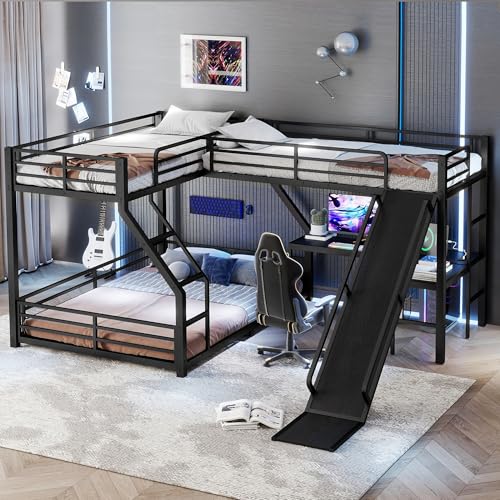
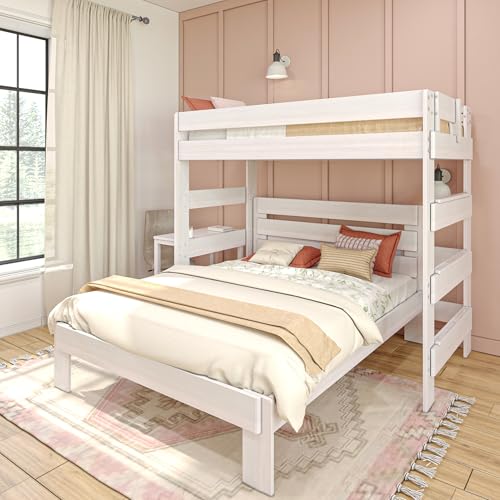
A twin over queen bunk bed with desk is a multi-level furniture system that places a twin-size bed on the upper level and a queen-size bed on the lower level, with an integrated desk area built into the frame—often alongside the lower bunk, under the lofted twin, or as an attached side unit. This configuration offers a complete bedroom solution: two beds plus a study or work zone, all within the footprint of a single queen bed plus a small extension.
The desk component can take several forms: a built-in surface spanning the length of the lower bunk, a corner desk nook beneath the lofted twin, or a detachable side desk that extends outward. Each configuration has its own trade-offs in terms of usable desk area, accessibility, and overall room flow. Understanding these variations is key to selecting the right model for your space and needs.
Unlike a standard bunk bed, the twin over queen format accommodates different age groups and sleeping preferences—the queen lower bunk suits adults or older teens, while the twin upper bunk works well for children or lighter sleepers. Adding a desk transforms the piece into a true all-in-one bedroom station, reducing the need for separate furniture and keeping the room visually cohesive.
Key Benefits of Choosing This Configuration
Exceptional Space Efficiency
By stacking two beds and incorporating a desk, you consolidate three separate furniture pieces into one vertical unit. This frees up floor space for play, storage, or simply a more open, breathable room layout—especially valuable in smaller homes or shared bedrooms.
Built-In Study Zone
An integrated desk means homework, creative projects, or computer work have a dedicated home. No need to carve out separate wall space or purchase a standalone desk, which keeps the room organized and purpose-driven.
Accommodates Different Sleepers
The queen lower bunk suits adults, older teens, or guests, while the twin upper bunk works for children. This flexibility makes the piece useful across a wide range of family configurations and changing needs over time.
Design Cohesion
A single integrated unit creates a unified look, avoiding the visual clutter of mismatched furniture. Many models feature coordinated finishes, hardware, and styling that elevate the entire room's aesthetic.
Long-Term Versatility
Some models allow the desk to be detached or the beds to be separated into independent pieces. This adaptability means the furniture can evolve with your family's needs—from childhood through the teen years and beyond.
Encourages Organization
With sleeping and study areas combined, the room naturally develops distinct zones. This helps establish routines and keeps clutter contained, especially when the desk includes built-in storage like drawers or shelves.
Common Design Configurations
Twin over queen bunk beds with desks come in several layout styles. The right choice depends on your room dimensions, ceiling height, and how the desk will be used.
1. Desk Alongside the Lower Bunk
In this layout, the desk extends from the side of the queen bed frame, creating an L-shaped footprint. The upper twin bunk typically spans above the queen bed. This configuration offers a generous desk surface and keeps the workspace separate from the sleeping area. It's ideal for rooms with a bit more width, as the desk extends outward.
2. Desk Under the Lofted Twin
Here, the twin bunk is elevated higher than usual, and the space beneath it—alongside the queen bed—houses the desk. This design is more compact and keeps the desk tucked into the structure. However, it requires adequate ceiling height and may feel enclosed for some users. It works well in rooms where floor space is at an absolute premium.
3. Corner or Angled Desk Unit
Some models position the desk at a corner or angle relative to the bunk beds, maximizing the use of awkward spaces. This can be a smart solution for rooms with angled walls or tight corners, though it may limit the desk's size and accessibility.
4. Detachable or Reversible Desk
Certain designs feature a desk that can be mounted on either side of the bed frame or removed entirely. This flexibility is valuable if you anticipate rearranging the room or repurposing the furniture later. Detachable desks also simplify assembly and moving.
Configuration Comparison at a Glance
| Configuration | Best For | Desk Size | Space Requirement |
|---|---|---|---|
| Desk Alongside Lower Bunk | Rooms with extra width; users who want a large, open workspace | Generous | Moderate to high width |
| Desk Under Lofted Twin | Compact rooms; users comfortable with a tucked-in workspace | Compact to moderate | Minimal floor footprint; high ceiling |
| Corner or Angled Desk | Rooms with awkward corners or angled walls | Moderate | Adaptable to corner spaces |
| Detachable / Reversible Desk | Flexible layouts; future rearranging or repurposing | Varies | Depends on mounting side |
Safety Considerations You Should Not Ignore
Bunk beds inherently involve elevation, so safety must be a top priority—especially in households with young children. Here are the critical safety features to verify before purchasing:
- Guardrails on the Upper Bunk: The twin upper bunk must have full-length guardrails on both sides (or at least the side not against a wall). Rails should be at least 5 inches high and securely attached. Check that the gap between the rail and mattress is minimal to prevent entrapment.
- Sturdy Ladder or Stairs: A well-designed ladder should have wide, flat steps and a secure attachment to the frame. Built-in stairs with handrails are even safer and more comfortable, especially for younger children or those with mobility concerns. Ensure the ladder or stairs are positioned so they don't obstruct the desk area.
- Solid Frame Construction: Look for frames made from high-grade steel, solid wood, or reinforced engineered wood. The frame should have a weight capacity clearly stated by the manufacturer. Avoid models with excessive wobble or thin, flimsy components.
- Weight Limits: Each sleeping surface has its own weight limit. The queen lower bunk typically supports more weight than the twin upper bunk. Never exceed these limits, and verify that the desk surface also has a stated load capacity if you plan to place heavy equipment on it.
- Safety Certifications: In the United States, look for compliance with ASTM F1427 (Standard Consumer Safety Specification for Bunk Beds) and CPSC regulations. These certifications indicate the product has been tested for structural integrity, entrapment hazards, and other safety concerns.
- Mattress Fit: Use mattresses that are the correct size for each bunk and not excessively thick. A mattress that is too thick can reduce the effective height of guardrails, increasing fall risk. Follow the manufacturer's recommended mattress thickness.
- Ceiling Clearance: Ensure there is enough space between the top of the upper mattress and the ceiling—typically at least 30 to 36 inches—so a child can sit up comfortably without hitting their head.
Materials and Build Quality: What to Look For
The material and construction of your bunk bed directly affect its durability, safety, and appearance. Here's a breakdown of common options:
Metal Frames
Metal bunk beds are known for their strength and durability. High-grade steel frames with reinforced joints offer excellent stability and can support substantial weight. They are generally resistant to warping and are a solid choice for long-term use. Powder-coated finishes provide rust resistance and a clean, modern look. Metal frames tend to have a more industrial or contemporary aesthetic.
Solid Wood Frames
Solid wood—such as pine, oak, or maple—offers a warm, traditional look and excellent structural integrity when properly constructed. Look for frames with reinforced joinery (dowels, bolts, or interlocking joints) rather than simple screws. Solid wood can be refinished or repainted over time, extending its lifespan. However, wood quality varies widely; denser hardwoods are more durable than softer woods.
Engineered Wood and MDF
Engineered wood products like MDF (medium-density fiberboard) and particle board are common in mid-range furniture. They offer a smooth, uniform surface and are often finished with veneers or laminates. While generally less durable than solid wood or metal, well-constructed engineered wood bunk beds can be a practical choice. Check for quality hardware and reinforced connection points, as these are the weak links in engineered wood assemblies.
Desk Surface Material
The desk component may be made from the same material as the frame or a different surface. Laminate desk tops are easy to clean and resist scratches, while solid wood surfaces offer a premium feel and can be refinished. Consider the desk's intended use—if it will hold a computer, monitor, or heavy books, ensure the surface and support structure are up to the task.
Pros and Cons Summary
Advantages
- Combines two beds and a desk in one footprint
- Frees up significant floor space
- Provides a dedicated study or work area
- Accommodates different ages and sleeping preferences
- Creates a cohesive, organized room layout
- Some models offer detachable desks for flexibility
- Reduces the need for additional furniture purchases
Considerations
- Requires adequate ceiling height, especially for lofted designs
- Assembly can be complex and time-consuming
- Upper bunk access may be challenging for very young children
- Desk space may be limited in compact configurations
- Moving or rearranging the unit is difficult once assembled
- Higher-end materials and larger configurations are a bigger investment
- May not suit rooms with very low ceilings or narrow layouts
Buying Guide: How to Choose the Right Model
Before you commit to a twin over queen bunk bed with desk, work through these key questions to narrow down your options:
- Measure Your Room Thoroughly: Record the length, width, and ceiling height of the room. Account for door swings, window placement, and any built-in closets. The bunk bed's footprint must fit comfortably while leaving enough clearance for walking and accessing the desk and ladder.
- Determine Who Will Use Each Bunk: If the queen lower bunk is for adults, prioritize weight capacity and mattress support. If the twin upper bunk is for a child, focus on guardrail height, ladder safety, and ease of access. Consider future needs—will a younger child eventually graduate to the upper bunk?
- Assess Desk Usage: Will the desk hold a laptop, a full desktop setup, or just notebooks? Measure the available desk surface and consider whether it accommodates your equipment. Check for cable management features if electronics will be used.
- Evaluate Ladder vs. Stairs: Ladders are space-efficient but can be harder for young children or those with mobility issues. Stairs with handrails are safer and more comfortable but take up more floor space. Choose based on who will use the upper bunk most frequently.
- Check Assembly Requirements: Some models require two people and several hours to assemble. Review the manufacturer's assembly instructions and consider whether professional installation is advisable. Also check if the unit can be disassembled for moving.
- Review Safety Certifications: Confirm that the model meets ASTM F1427 and CPSC standards. Check customer reviews for reports of wobbling, structural issues, or safety concerns.
- Plan for Storage: Many twin over queen bunk beds with desks include built-in drawers, shelves, or storage nooks. If storage is a priority, look for models that incorporate these features without compromising desk space.
Smart Layout Tips for Your Room
Once you've selected your bunk bed with desk, how you position it in the room matters just as much as the furniture itself. Here are practical layout strategies:
- Place the Desk Near Natural Light: If possible, orient the desk so it receives daylight from a window. This reduces eye strain and creates a more pleasant study environment. Avoid placing the desk directly in front of a window if glare is a concern—an angled or perpendicular position often works better.
- Keep the Ladder Clear: Ensure the ladder or stairs are not blocked by other furniture, curtains, or clutter. Maintain a clear path to the upper bunk at all times for safety.
- Use Vertical Space: Mount shelves or hooks on the wall above the desk to keep supplies organized and within reach. A small pegboard or wall organizer can significantly boost the desk's functionality without adding floor clutter.
- Define Zones with Rugs or Lighting: Use a small rug under the desk area or a dedicated desk lamp to visually separate the study zone from the sleeping area. This helps establish a mental boundary between work and rest.
- Consider Cable Management: If the desk will host electronics, plan for cable routing. Use cable clips, sleeves, or an under-desk cable management system to keep cords tidy and safe.
- Anchor the Bed to the Wall: If the manufacturer provides anti-tip hardware, use it. Anchoring the bed frame to the wall prevents tipping and adds stability, especially in households with active children.
- Leave Space for a Chair: The desk needs a comfortable chair with enough room to pull in and out. Allow at least 24 to 30 inches of clearance between the desk edge and any nearby wall or furniture.
Who Is This Furniture Best Suited For?
A twin over queen bunk bed with desk is a versatile piece, but it's particularly well-suited to certain situations:
- Families with Children of Different Ages: The queen lower bunk can accommodate an older child or adult, while the twin upper bunk suits a younger child. The built-in desk serves the student in the family.
- Teen Bedrooms: Teenagers need both a comfortable sleeping space and a dedicated study area. This furniture configuration supports both without overwhelming the room.
- Guest Rooms with a Dual Purpose: Use the queen bed for guests and the twin bunk plus desk for occasional use or as a flexible workspace. The room remains functional even when not hosting guests.
- Small Apartments or Condos: In compact living spaces, combining sleeping and working areas into one vertical unit is a smart way to maximize every square foot.
- Vacation Homes or Cabins: A bunk bed with desk provides comfortable sleeping for multiple people and a convenient spot for planning, reading, or working during a getaway.
Maintenance and Care Tips
To keep your twin over queen bunk bed with desk in excellent condition, follow these simple maintenance practices:
- Check Hardware Periodically: Bolts, screws, and brackets can loosen over time, especially in households with active children. Tighten all connections every few months to maintain stability.
- Inspect Guardrails and Ladders: Regularly check that guardrails are secure and that the ladder or stairs are firmly attached. Replace any worn or damaged components immediately.
- Clean Surfaces Gently: Use a soft, damp cloth to clean the bed frame and desk surface. Avoid harsh chemicals that can damage finishes. For wood surfaces, use a mild wood cleaner and follow with a dry cloth.
- Rotate Mattresses: Flip or rotate mattresses periodically to prevent uneven wear and extend their lifespan. Follow the mattress manufacturer's recommendations.
- Protect the Desk Surface: Use a desk mat or blotter to protect the surface from scratches, spills, and daily wear. If the desk is wood, consider a desk surface protector for added durability.
- Address Wobble Immediately: If the bed develops a wobble, do not ignore it. Identify the source—often a loose bolt or an uneven floor—and correct it before the issue worsens.
Frequently Asked Questions
Ready to Explore Twin Over Queen Bunk Beds with Desks?
Browse a curated selection of models that combine comfort, safety, and smart workspace design. Find the perfect fit for your room and your family.
View Available ModelsRelated Desk and Bedroom Guides
Explore our other in-depth resources to complete your bedroom and workspace planning:
- Twin Over Full Bunk Bed with Desk and Drawers — A slightly smaller alternative with built-in storage.
- Twin Over Twin Bunk Bed with Desk — Classic bunk bed configuration with workspace.
- Twin Loft Bed with Desk and Stairs — Safety and accessibility with built-in stairs.
- Teenage Bedroom Furniture with Desks — Complete furniture sets for teen rooms.
- Twin Bed with Desk — Single-level option for smaller rooms.
- Tall Desk — Standalone tall desk solutions for tight spaces.
- Under Desk Storage — Organize your workspace with smart storage solutions.
- Desk Accessories — Enhance your new desk with functional and stylish add-ons.
- Desk Organization — Keep your workspace clutter-free and efficient.