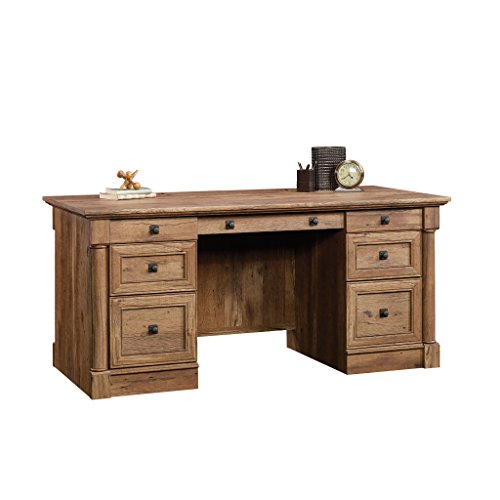
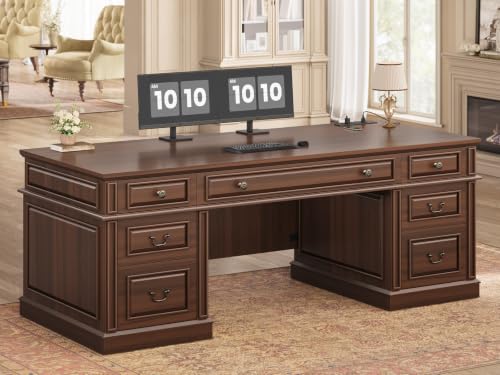
Wooden Executive Desk: Ultimate Guide for Professionals
Discover the timeless elegance, durability, and functionality of a wooden executive desk. Our comprehensive guide covers materials, styles, and expert tips to help you choose the perfect desk for your home office.
SEE TOP RECOMMENDATIONSWhy Choose a Wooden Executive Desk? More than just a piece of furniture, an executive desk is a statement of professionalism and a cornerstone of your workspace. Made from high-quality wood, these desks offer unmatched durability, a classic aesthetic that never goes out of style, and a surface that inspires productivity and confidence.
Why Invest in a Wooden Executive Desk?
A wooden executive desk is the centerpiece of a professional home office. It's not just about prestige; it's about creating a workspace that enhances your daily work experience. The solid construction provides a stable platform for multiple monitors, documents, and essential tools, while the natural beauty of wood adds warmth and character to any room.
In today's work-from-home era, having a designated and professional workspace is crucial. A high-quality wooden executive desk helps establish a clear boundary between work and personal life, boosting focus and productivity. Many of the best home office desks are crafted from solid wood for their resilience.
When you choose a wooden executive desk, you're investing in a piece that can last for decades. Unlike cheaper materials, solid wood can be refinished and repaired, ensuring your desk remains a beautiful and functional part of your office for years to come.
🪵 Explore more: Wood office desks for versatile options, or see our wood desks for home office collection for more inspiration.
Types of Wood Used in Executive Desks
The type of wood significantly impacts the desk's appearance, durability, and cost. Here’s a breakdown of popular choices for wooden executive desks:
| Wood Type | Characteristics | Price Range (Approx.) |
|---|---|---|
| Oak | Extremely durable, prominent grain, classic look, medium to dark tones. | $1,200 – $2,500 |
| Walnut | Rich, dark chocolate color, elegant grain, smooth texture, premium choice. | $1,500 – $3,000+ |
| Cherry | Warm, reddish-brown tones, smooth grain, darkens with age, sophisticated. | $1,300 – $2,800 |
| Maple | Light, creamy color, subtle grain, very hard and durable, modern feel. | $900 – $1,800 |
| Mahogany | Deep reddish-brown, straight grain, excellent workability, traditional luxury. | $1,800 – $3,500 |
For a contemporary office, a white oak desk offers a modern, light-toned alternative. If you prefer a more traditional and bold aesthetic, a walnut desk is an excellent choice for its rich, dark hues.
Key Features to Consider
🪵 Solid Wood vs. Veneer
Solid wood is more durable and can be refinished, while veneer offers a similar look at a lower cost.
📏 Size & Dimensions
Ensure the desk fits your space and accommodates your work needs, including multiple monitors and paperwork.
📦 Storage Options
Consider desks with drawers, hutches, or shelves for organization. Desks with drawers that lock add security.
🎨 Style & Finish
Choose a style that complements your office decor, from traditional to modern minimalist.
Pros and Cons of Wooden Executive Desks
✅ Advantages
- Exceptional durability and longevity
- Timeless, classic aesthetic that adds value
- Can be refinished and repaired
- Wide variety of wood types and finishes
- Provides a sense of professionalism and prestige
❌ Disadvantages
- Higher initial cost compared to other materials
- Can be heavy and difficult to move
- Requires periodic maintenance (polishing, conditioning)
- Susceptible to scratches and water rings if not protected
To protect your investment, consider using a high-quality desk mat or desk accessories like coasters and pads. For those who work with documents, a writing desk with drawers can also serve as an elegant alternative or complement to a larger executive desk.
How to Choose the Right Wooden Executive Desk
- Assess Your Workspace: Measure your room carefully. Consider not just the desk's footprint but also how it will flow with other furniture like a wooden desk chair.
- Determine Your Needs: How many monitors? Do you need filing drawers? Do you prefer a wood corner desk to maximize space?
- Choose the Wood Type: Decide based on your budget, desired aesthetic, and the level of maintenance you're willing to commit to.
- Check the Construction: Look for dovetail joints, sturdy legs, and a solid top. Avoid desks with particleboard or thin veneers.
- Test the Ergonomics: Ensure the desk height is comfortable for your posture. Pair it with an adjustable standing-sitting desk if you prefer flexibility.
💡 Expert Tip: When shopping for a wooden executive desk, always check the wood's origin and sustainability certifications if that's important to you. Also, consider the desk's finish—a matte finish may show fewer fingerprints and scratches than a high-gloss one.
Whether you are looking for a wood executive desk for your home office or a wood office desk for a professional setting, the principles remain the same: quality materials, solid construction, and a design that resonates with your personal style.
Ready to Elevate Your Workspace? A wooden executive desk is more than a purchase; it's an investment in your daily productivity and professional image. Explore our curated selection below to find the perfect piece that combines craftsmanship, functionality, and timeless beauty.