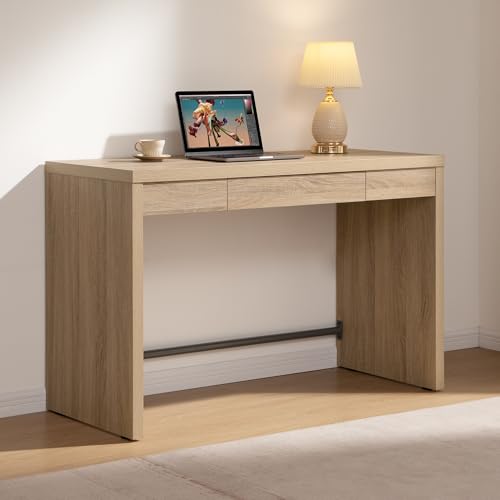
The Complete Guide to White Oak Desks
White oak (Quercus alba) has been a favored hardwood for centuries, from shipbuilding to fine furniture. Today, it’s one of the most sought-after materials for wood desks for home office spaces because of its balance of beauty and brawn. Unlike many other woods, white oak develops a rich patina over time without becoming brittle, making it a lifetime investment.
Grain and Color – The Hallmark of White Oak
The grain of white oak is straight with subtle waves, and its prominent medullary rays create a stunning "ray fleck" when quarter-sawn. The heartwood ranges from light to medium brown, often with a slight olive or yellow cast that mellows with age. This neutral undertone pairs beautifully with both cool and warm accents, so your wooden gaming desk or executive workstation feels cohesive. Many designers prefer white oak over red oak for its more subdued, modern aesthetic.
Durability That Outlasts Trends
With a Janka hardness of about 1,360 lbf, white oak is harder than red oak, cherry, and even walnut. It resists denting from daily use, making it ideal for a working desk that sees heavy monitors, writing, and occasional spills. Moreover, the grain structure is naturally water-resistant, so a white oak desk is less prone to warping or staining compared to softer woods. For those who want a standing desk converter or a full adjustable standing sitting desk, white oak offers the stability required for smooth height adjustments.
Finish Options – From Natural to Bold
One of the greatest strengths of white oak is its versatility with finishes. A clear matte polyurethane preserves the wood’s natural character and protects against scratches. For a deeper, more rustic look, a hard wax oil like Osmo or Rubio Monocoat enhances the grain while maintaining a low-sheen, natural feel. If you prefer a richer tone, a medium-brown stain can give the desk a more traditional appearance, similar to walnut desk but with the distinct oak figure. Always test the finish on a hidden area first; white oak can sometimes appear blotchy if not properly conditioned.
Care and Maintenance – Keep Your White Oak Desk Beautiful
Maintaining a white oak desk is straightforward. Dust weekly with a soft, dry cloth. For deeper cleaning, use a damp (not wet) cloth with a mild soap solution, then wipe dry immediately. Avoid harsh chemicals or ammonia-based cleaners, as they can dull the finish. Every 6–12 months, apply a high-quality furniture polish or wax to nourish the wood and maintain its luster. If you notice minor scratches, a touch-up marker or a dab of matching stain can blend them in; for deeper gouges, consider a professional refinish. For more detailed care, see our guide on wooden desk chair maintenance as the principles are similar.
White Oak vs. Other Hardwoods
- vs. Red Oak: White oak is more water-resistant and has a subtler grain; red oak tends to be pinkish and more porous.
- vs. Walnut: Walnut is darker and softer; white oak is lighter in color and more durable.
- vs. Maple: Maple is harder but has less grain character; white oak offers a more distinctive, warm texture.
- vs. Bamboo: Bamboo is sustainable but less durable; white oak provides a more traditional, sturdy feel.
Ultimately, if you want a desk that blends elegance with ruggedness, white oak is an outstanding choice. Its neutral tone works equally well in a modern desk setup or a classic vintage desk aesthetic.
Who Should Buy a White Oak Desk?
White oak desks are perfect for professionals, writers, and creatives who value longevity and understated luxury. They’re especially suitable for home offices where the desk serves as the centerpiece. If you plan to use a monitor arm or heavy equipment, the solid wood construction provides excellent support. Also, because white oak ages so well, it’s an eco-friendly choice — you won’t need to replace it for decades.