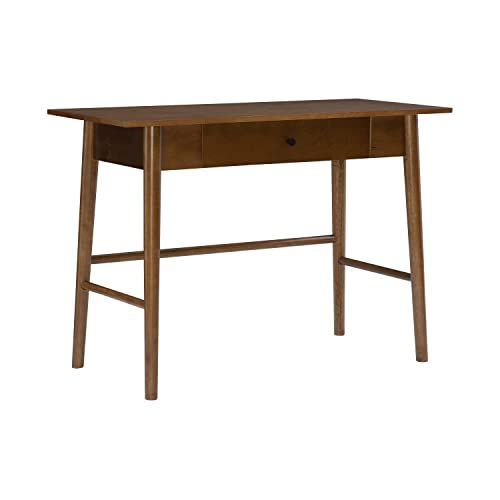
Writing Desk Guide: Find Your Perfect Writing Surface
Discover the ideal writing desk for your home office or study. From classic antique designs to modern minimalist surfaces, we help you choose the perfect desk that inspires creativity and supports productive writing sessions.
Explore Writing DesksA writing desk is more than just a piece of furniture—it's the foundation of your creative and professional life. Whether you're a novelist, student, or remote worker, the right writing desk can transform your productivity and comfort. In this comprehensive guide, we'll explore everything from solid wood desks to ergonomic setups, helping you make an informed decision that fits your space, style, and budget.
Types of Writing Desks
🪵 Classic Wooden Writing Desks
Timeless and durable, solid wooden desks offer warmth and character. Choose from oak, walnut, cherry, or reclaimed wood for a unique writing surface that ages beautifully.
📏 Small & Compact Writing Desks
Perfect for tight spaces, small writing desks with drawers and hutches maximize storage without sacrificing style. Ideal for apartments, dorm rooms, or cozy home offices.
🖥️ Writing Desks with Tech Integration
Modern writing desks often include cable management, built-in charging ports, and adjustable heights. Pair with a keyboard slide-out tray for a clean, organized workspace.
🪑 Antique & Vintage Writing Desks
For those who appreciate history, antique writing desks with drawers add elegance and a sense of heritage to any study or library. Often crafted from high-quality hardwoods.
Choosing the Right Material
The material of your writing desk affects durability, maintenance, and aesthetics. Here's a quick comparison of popular options:
| Material | Durability | Maintenance | Price Range | Best For |
|---|---|---|---|---|
| Solid Wood (wood veneer available) | ⭐⭐⭐⭐⭐ | Moderate (polish, avoid moisture) | $500–$2,500+ | Long-term investment, traditional style |
| Bamboo | ⭐⭐⭐⭐ | Low (wipe clean) | $300–$800 | Eco-friendly, modern, lightweight |
| MDF / Laminate | ⭐⭐⭐ | Very low (water-resistant) | $150–$400 | Budget-friendly, variety of finishes |
| Glass / Metal | ⭐⭐⭐⭐ | Low (glass cleaner, dust) | $400–$1,200 | Contemporary, minimalist spaces |
* Prices are approximate and may vary based on brand, size, and features. For more details on desk surfaces, visit our desk surface guide.
Ergonomics: Write Comfortably for Hours
A well-designed writing desk should promote good posture and reduce strain. Consider these ergonomic factors when choosing your desk:
- Desk Height: Your elbows should rest at a 90-degree angle when typing or writing. Standard height is 28–30 inches, but adjustable-height desks offer flexibility for sitting and standing.
- Desk Depth: A depth of 24–30 inches provides ample space for a laptop, notebook, and mouse without crowding. Learn more in our desk depth guide.
- Monitor Placement: If you use a monitor, ensure the top of the screen is at or slightly below eye level. A monitor placement guide can help you optimize your setup.
- Chair Compatibility: Pair your desk with an ergonomic chair that supports your lower back and allows your feet to rest flat on the floor.
Styling Your Writing Desk
A clutter-free, inspiring desk boosts creativity. Here are some tips to style your writing surface:
🌿 Greenery
Add a succulent or small plant to freshen up your space.
💡 Lighting
A desk lamp with adjustable brightness reduces eye strain.
🧹 Cable Management
Keep cords tidy with cable management solutions.
🎯 Personal Touch
Add a favorite photo or inspirational quote to personalize your space.
Ready to Find Your Perfect Writing Desk?
Browse our curated selection of high-quality writing desks below. Each product is handpicked for its craftsmanship, durability, and value. Click to view details and make your purchase with confidence.
Shop Writing Desks Now💡 Did you know? The right writing desk can improve your focus and writing flow. For more inspiration, explore our desk tips and guides or learn how to apply Feng Shui principles to your workspace.