Bed with Desks: Smart Space-Saving Solutions for Small Rooms
Discover how a bed with a desk transforms compact bedrooms into functional study and work zones. Compare bunk bed workstations, loft bed desks, and integrated furniture designs built for students, remote workers, and small-space living.
Explore Bed Desk TypesWhy a bed with a desk makes sense: When floor space is limited, combining sleep and study furniture is one of the most efficient layout decisions you can make. A well-designed bed desk combo frees up an entire wall, keeps your work surface dedicated, and creates a natural boundary between rest and productivity.
This guide walks you through the main configurations, the structural details that matter, and how to choose a model that fits your room, your daily routine, and your long-term needs.
Key Benefits of Combined Bed and Desk Furniture
Floor Space Recovery
Stacking a workspace beneath or beside the sleeping area reclaims valuable floor space for movement, storage, or seating.
Dedicated Study Zone
A built-in desk gives students and remote workers a consistent surface that stays separate from the sleeping area.
Unified Visual Design
Integrated furniture reads as one cohesive piece, reducing visual clutter in compact bedrooms.
Efficient Cable Routing
Many models include grommets or under-desk channels that keep power and device cables organized.
Storage Integration
Shelves, drawers, and stair storage are often built into the same footprint, consolidating multiple furniture functions.
Long-Term Adaptability
Modular and adjustable designs can grow with a child or be reconfigured as needs change.
Main Types of Bed with Desk Configurations
Bunk Bed with Desk Underneath
The upper bunk holds the mattress while the lower level is converted into a full workstation. This is the classic space-saving arrangement for shared kids' rooms and student dormitories. Look for models with a reinforced lower frame and a desk depth of at least 20 inches for comfortable monitor and laptop use. Explore bunk bed with desk underneath options for a full breakdown of configurations.
Loft Bed with Desk Below
A loft bed raises the sleeping platform higher, leaving a taller clearance beneath for a desk, chair, and shelving. This layout suits teenagers and adults who need a more comfortable seated posture. Models with built-in stairs and storage are especially practical. See our guide to bunk bed with desk under it for related layouts.
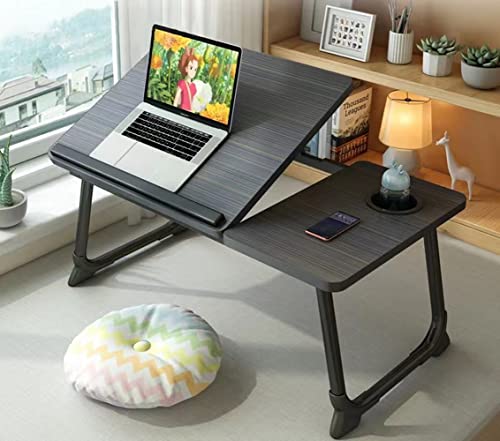
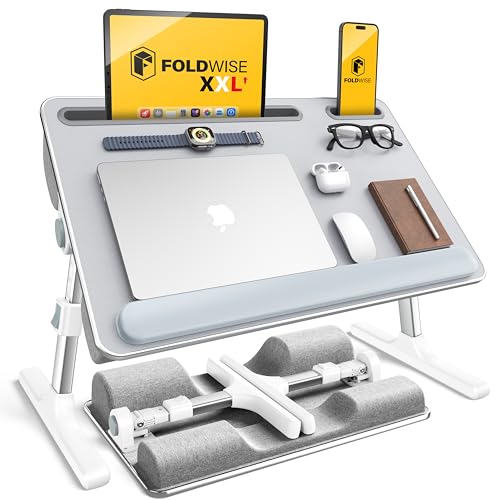
Bed Desk for Laptop
A smaller, often portable or foldable desk that sits beside or over the bed, designed for light laptop work, reading, or breakfast-in-bed use. These are ideal for studio apartments or guest rooms where a full workstation is not needed. Browse bed desk for laptop designs for compact solutions.
Bed with a Desk Under It
This category covers platform beds and captain's beds where the desk slides or is built into the frame itself. The result is a low-profile, furniture-like appearance that fits neatly into modern bedrooms. Compare bed with a desk under it styles for a seamless look.
Bed and Desk in a Small Room
When neither a bunk nor loft fits, a corner arrangement pairs a single bed with a compact desk along the adjacent wall. The key is measuring the turning radius for a chair and keeping the desk surface clear of the mattress edge. Read more about bed and desk in small room layout strategies.
Configuration Comparison
| Configuration | Best For | Tier | Key Consideration |
|---|---|---|---|
| Bunk Bed with Desk Underneath | Shared kids' rooms, dorms | Essential tier to mid-tier | Verify lower-frame weight capacity |
| Loft Bed with Desk Below | Teens, adults, study-heavy use | Mid-tier to premium | Desk clearance height and ceiling height |
| Bed Desk for Laptop | Studio apartments, guest rooms | Starter tier | Surface stability and portability |
| Bed with a Desk Under It | Modern bedrooms, seamless design | Mid-tier to high-end tier | Integrated cable management |
| Bed and Desk in Small Room | Single-room living, flexible layouts | Essential tier | Chair clearance and walking path |
What to Check Before You Choose
- Measure ceiling height: A loft bed needs enough headroom above the mattress and below the frame for comfortable sitting.
- Confirm desk depth: Aim for at least 20 inches of usable depth to fit a monitor or laptop plus a notepad.
- Check weight ratings: Look for reinforced frames and published load limits for the bunk or loft platform.
- Plan cable access: Prefer models with grommets or open backs so chargers and monitor cables can route cleanly.
- Review the ladder or stair design: Stairs with storage add functionality but consume floor space; ladders are more compact.
- Match material to use: Solid wood and high-grade steel frames offer durable construction; engineered wood is common in mid-tier models.
- Consider future needs: Modular designs are a long-term investment that adapt as a child grows or a room changes purpose.
Related Bed Desk Guides
If you are comparing layouts, these in-depth guides cover the most common configurations in detail:
- Beds with desks — a broad overview of combined furniture styles.
- Bunk bed with desk and storage — maximizing a single footprint.
- Bunk bed with desk underneath for adults — adult-friendly sizing and weight ratings.
- Bunk bed with stairs and desk — safer access with built-in storage.
- Beds with desk underneath — low-profile integrated options.
- Bed with desk underneath — platform and captain's bed designs.
- Bunk bed on top desk on bottom — the classic stacked arrangement.
- Black full size loft bed with desk — a popular finish and size combination.
- Bunk bed with desk and couch underneath — dual-purpose lower level.
- Bunk bed with desk for small rooms — compact footprints that still work.
Frequently Asked Questions
Is a bed with a desk sturdy enough for daily work?
Yes, provided the frame is rated for the combined load. Look for reinforced steel or solid wood construction and a published weight capacity. Mid-tier and high-end tier models typically include cross-bracing and thicker desk panels that resist flex during typing.
What ceiling height do I need for a loft bed with a desk?
Allow at least 30 to 34 inches of clearance beneath the loft frame for comfortable seated posture, plus the mattress thickness and a safety rail above. Measure your ceiling and subtract both figures before committing to a model.
Can an adult use a bunk bed with a desk underneath?
Many adult-rated models are available with longer platforms and higher weight limits. Check the product specifications for adult weight ratings and mattress size compatibility before choosing.
How do I keep the desk area organized in a bed desk combo?
Use the vertical space: wall-mounted or clamp-on shelves above the desk, a monitor arm to free the surface, and cable trays underneath. Choosing a model with built-in drawers or stair storage also reduces clutter.
Are bed desk combinations suitable for remote work?
They can be, especially loft configurations that provide a full-depth desk and proper chair clearance. For full-time remote work, prioritize desk depth, monitor height, and a dedicated power outlet near the frame.
Ready to Reclaim Your Floor Space?
Browse recommended bed with desk models below, compare configurations, and find the one that fits your room and routine.
View Recommended Models