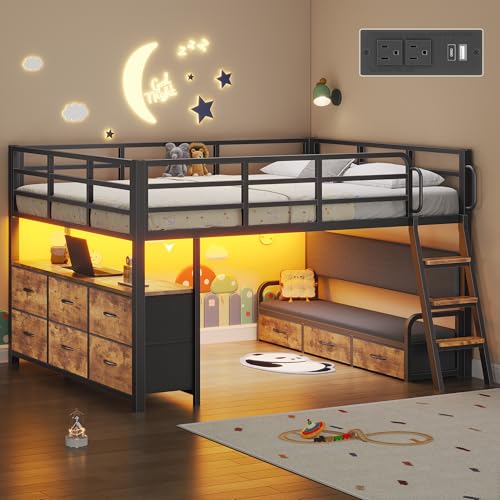
Bunk Bed with Desk and Dresser Underneath: The Complete Buyer's Guide
Discover how a bunk bed with desk and dresser underneath transforms compact bedrooms into multifunctional spaces. Compare designs, materials, safety features, and layout options before you choose the right model for your room.
Explore Recommended ModelsWhy this setup matters: A bunk bed with a desk and dresser underneath combines sleeping, studying, and storage into a single footprint. For small bedrooms, student rooms, guest rooms, and shared spaces, this three-in-one furniture solution eliminates the need for separate pieces and keeps the floor plan open. This guide walks you through everything you need to know — from frame construction and safety rails to drawer configuration and desk ergonomics — so you can make a confident decision.
What Makes a Bunk Bed with Desk and Dresser Underneath Different
Unlike a standard bunk bed that simply stacks two sleeping surfaces, a bunk bed with desk and dresser underneath integrates a workspace and storage directly beneath the upper bunk. This configuration is often called a loft-style bunk or a storage bunk. The lower zone typically contains a built-in desk on one side and a dresser with drawers on the other, while the upper bunk remains a dedicated sleeping area.
The result is a vertical furniture stack that serves three functions: sleep, study, and storage. This is especially valuable in rooms where floor space is limited, because it consolidates furniture into one vertical column rather than spreading separate pieces across the floor. Families, students, and apartment dwellers often choose this setup to maximize usable space without sacrificing comfort.
If you are exploring related configurations, you may also want to compare a bunk bed with desk underneath or a bunk bed with desk and storage underneath, which offer slightly different storage balances. For rooms that also need seating, a bunk bed with desk and couch underneath is another option worth reviewing.
Key Design Types to Consider
Straight Ladder Bunk
The most common layout: an upper twin bunk reached by a straight ladder, with a desk on one side and a dresser on the other. Simple, space-efficient, and easy to place against a wall.
Staircase Storage Bunk
Instead of a ladder, a built-in staircase with storage steps leads to the upper bunk. The stairs double as drawers or cubbies, adding extra organization and a safer climb.
Corner or L-Shaped Bunk
An L-shaped footprint wraps the desk and dresser around a corner, maximizing the under-bunk zone. These models often include reinforced frames and more generous desk depth.
Each design type serves a different room shape and user need. Straight ladder bunks suit narrow walls, staircase bunks add safety and storage for younger users, and corner bunks work well in square rooms where two walls are available. Consider how the ladder or staircase will be positioned so it does not block doors, windows, or closet access.
Materials and Build Quality
The frame material determines durability, weight capacity, and long-term stability. Most models fall into three material categories:
- Solid wood: Durable construction with natural grain, often using pine, oak, or rubberwood. Solid wood frames tend to be heavier and more stable, making them a long-term investment for busy households.
- Engineered wood (MDF or particle board): A common choice for entry-level and mid-range models. Look for reinforced joints, thick panels, and a durable laminate or veneer finish that resists scratches.
- Metal frames: Heavy-duty steel or reinforced metal tubing offers high weight capacity and a slim profile. Metal bunks are often chosen for their solid build and easy assembly.
Regardless of material, check the weight capacity of both the upper bunk and the desk surface. A desk built into a bunk bed should support a monitor, books, and daily use without flexing. If you plan to use a monitor arm or clamp-on accessories, verify that the desk surface has a solid core rather than a hollow panel. For related workspace guidance, see our notes on arm monitor desk mounts to understand clamping requirements.
Safety Features You Should Not Skip
Because the upper bunk sits higher than a standard bed, safety features are essential — especially for children and teenagers. Prioritize models with the following:
- Full-length guardrails on the upper bunk, with gaps no wider than a few inches to prevent entrapment.
- Reinforced ladder or staircase with anti-slip steps and a secure attachment to the frame.
- Sturdy corner posts and cross-bracing to reduce sway and wobble.
- Rounded edges on the desk and dresser to reduce injury risk in tight spaces.
- Weight rating labels that clearly state the maximum load for the upper bunk and the desk.
Always assemble the bed according to the manufacturer's instructions and re-tighten hardware after the first few weeks of use. For younger users, a staircase model is generally safer than a vertical ladder. If you are comparing bunk styles for small rooms, our guide to a bunk bed with desk for small rooms covers layout and safety considerations in more detail.
Desk Ergonomics in an Under-Bunk Workspace
The desk built into a bunk bed is usually shallower than a freestanding desk, so ergonomics deserve extra attention. A comfortable setup depends on desk height, chair clearance, and monitor placement. Here is what to check:
- Desk height: The surface should allow your forearms to rest at roughly a right angle when typing. Many under-bunk desks are fixed-height, so confirm the measurement fits the intended user.
- Chair clearance: Ensure there is enough knee room beneath the desk and that the chair can tuck in without hitting the dresser.
- Monitor distance: A compact monitor or laptop stand keeps the screen at eye level without crowding the shallow surface. A laptop stand guide can help you choose a space-efficient riser.
- Lighting: Under-bunk desks receive less overhead light. Add a clip-on lamp or a slim desk lamp to reduce eye strain.
If the desk doubles as a study station for a student, consider a model with a built-in cable grommet or a small shelf for pens and notebooks. Keeping the surface clear is easier when storage is integrated into the frame.
Dresser Configuration and Storage Planning
The dresser underneath a bunk bed is typically a set of drawers positioned beside or below the desk. Storage capacity varies widely, so plan around what you need to store:
- Drawer count: Three to five drawers is common. Deeper drawers suit folded clothing, while shallow drawers work for accessories and school supplies.
- Drawer glides: Metal ball-bearing glides offer smoother operation than basic plastic tracks, especially in mid-range and premium models.
- Open shelving: Some models combine drawers with open cubbies for books, baskets, or display items.
- Access clearance: Confirm that drawers can open fully without hitting the desk chair or the room wall.
If you need more storage than a standard dresser provides, look at a bunk bed with desk and storage underneath, which often adds shelving or cubbies alongside the drawers. For rooms shared by two people, a bunk bed with desk and sofa configuration can add a seating zone, though it reduces dresser space.
Quick Comparison by Configuration
| Configuration | Best For | Storage Balance | Space Profile |
|---|---|---|---|
| Straight ladder bunk with desk + dresser | Narrow rooms, single user | Balanced desk and drawer space | Compact wall footprint |
| Staircase storage bunk with desk + dresser | Families, younger users | Extra stair storage plus drawers | Wider footprint for stairs |
| Corner or L-shaped bunk with desk + dresser | Square rooms, older students | Larger desk and drawer zone | Uses two walls |
| Loft bed with desk and dresser | Teens and adults | Full-height under-bunk zone | Higher clearance, more open floor |
Use this table as a starting point, then match the configuration to the room's dimensions and the primary user's age and routine. A loft-style bunk bed with desk underneath for adults may suit older users who need more headroom and a larger work surface.
Room Layout and Placement Tips
Placement affects both safety and usability. Before assembling, measure the room and sketch a simple floor plan:
- Position the ladder or staircase away from doors and windows so it does not obstruct traffic or emergency exits.
- Leave clearance on the desk side for a chair to pull out and for drawers to open.
- Keep the upper bunk away from ceiling fans, light fixtures, and low sloped ceilings.
- Anchor the frame to the wall if the manufacturer provides anti-tip hardware — this is especially important in households with children.
For very tight rooms, a bunk bed with desk under it or a bunk bed on top with desk on bottom layout can fit along a single wall. If the room also needs seating, review our guide to a bunk bed with desk and couch underneath before committing to a dresser-heavy design.
Pro tip: Measure the ceiling height before choosing an upper bunk. A comfortable clearance above the top mattress is essential for sitting up and changing sheets. Also confirm the mattress thickness recommended by the manufacturer — an overly thick mattress can reduce guardrail effectiveness.
Who Should Choose a Bunk Bed with Desk and Dresser Underneath
This furniture combination is a strong fit for several groups:
- Students and teenagers who need a dedicated study zone and clothing storage in one compact footprint.
- Families with shared bedrooms where floor space must serve sleeping, studying, and storage simultaneously.
- Small apartment residents who want to keep the center of the room open for movement and light.
- Guest rooms that occasionally serve as a workspace or hobby area.
Adults who prefer a taller under-bunk clearance may prefer a loft-style model. If you are furnishing a small bedroom from scratch, our guide to bed and desk in a small room offers additional layout strategies that pair well with a bunk bed desk dresser setup.
Assembly, Maintenance, and Long-Term Care
Proper assembly and routine care extend the life of the furniture and keep it safe:
- Assemble on a flat surface with two people, following the manual step by step.
- Re-tighten bolts and screws after the first month, then check them twice a year.
- Wipe wood and laminate surfaces with a soft, slightly damp cloth; avoid harsh solvents.
- Inspect drawer glides and ladder rungs periodically for wear.
- Keep the desk surface free of heavy concentrated loads that could stress a shallow panel.
If the desk surface shows scratches over time, a light refinishing routine can restore its appearance. Our guide to repairing desk scratches covers safe methods for wood and laminate finishes.
Final Buying Checklist
Before you finalize a model, run through this checklist:
- Confirm the upper bunk weight rating and desk load capacity.
- Check guardrail height and gap spacing.
- Verify ladder or staircase attachment and anti-slip steps.
- Measure desk height and chair clearance for the intended user.
- Count drawers and confirm they open without obstruction.
- Review the material finish and edge rounding.
- Ensure anti-tip wall anchoring hardware is included.
- Read the assembly instructions for required tools and time.
Once these boxes are checked, you can move forward with confidence. The right bunk bed with desk and dresser underneath should feel stable, fit the room, and support daily routines without compromise.
Frequently Asked Questions
Is a bunk bed with desk and dresser underneath safe for children?
Yes, when the model includes full-length guardrails, a securely attached ladder or staircase, and anti-tip anchoring. Always follow the manufacturer's age and weight recommendations, and check hardware periodically.
How much clearance is needed above the upper bunk?
A comfortable clearance allows a user to sit up and change sheets without hitting the ceiling. Measure your ceiling height and compare it with the assembled height of the bunk plus the recommended mattress thickness.
Can an adult use a bunk bed with desk and dresser underneath?
Some models are rated for adult users, particularly loft-style designs with higher weight capacities and taller under-bunk clearance. Check the weight rating and clearance dimensions before choosing.
What is the difference between a bunk bed and a loft bed with a desk?
A bunk bed typically has two sleeping surfaces, while a loft bed raises one sleeping surface to create a full-height zone underneath for a desk and dresser. Loft beds often provide more headroom in the under-bunk area.
How do I keep the under-bunk desk organized?
Use drawer dividers, a small cable tray, and a compact monitor stand to keep the surface clear. Choose a model with built-in shelving or cubbies if you need extra organization.