Correct Height for Desk: The Ultimate Ergonomic Guide
Discover the perfect desk height for your body to prevent pain, boost energy, and work comfortably all day.
Did you know? The wrong desk height is one of the leading causes of back pain, neck strain, and decreased productivity. Finding the correct height for your desk isn't just about comfort—it's about your long-term health and performance. Whether you sit or stand, this guide will help you dial in the perfect setup.
Why Desk Height Matters
Working at the correct height for your desk is essential for maintaining proper posture and avoiding musculoskeletal disorders. When your desk is too high, you tend to shrug your shoulders, leading to neck and shoulder tension. If it's too low, you may slouch forward, putting excessive pressure on your lower back and spine. The ideal desk height allows your elbows to rest at a 90-degree angle, your feet flat on the floor, and your wrists straight while typing. This alignment reduces fatigue and helps you stay focused for longer periods.
Many people overlook the importance of desk ergonomics, but investing time in finding your correct desk height can dramatically improve your workday. For those with an adjustable desk, you have the flexibility to switch between sitting and standing, which is a game-changer for your health. However, even with a standing desk, you still need to adjust it to the correct height to reap the full benefits.
Desk Height Chart by User Height
Use this desk height chart as a starting point. These are recommended ranges for standard sitting desks. For standing desks, add 15–20 inches (38–51 cm) to your sitting height to find your ideal standing desk height.
| Your Height | Recommended Desk Height (Sitting) | Recommended Standing Desk Height |
|---|---|---|
| 4'10" – 5'2" (147 – 157 cm) | 22" – 24" (56 – 61 cm) | 37" – 40" (94 – 102 cm) |
| 5'3" – 5'7" (160 – 170 cm) | 24" – 26" (61 – 66 cm) | 40" – 43" (102 – 109 cm) |
| 5'8" – 5'11" (173 – 180 cm) | 26" – 28" (66 – 71 cm) | 43" – 46" (109 – 117 cm) |
| 6'0" – 6'4" (183 – 193 cm) | 28" – 30" (71 – 76 cm) | 46" – 49" (117 – 124 cm) |
| 6'5" and above (196+ cm) | 30" – 32" (76 – 81 cm) | 49" – 52" (124 – 132 cm) |
* These are general guidelines. The best desk height for you depends on your torso length and the thickness of your desk surface. Always test and adjust for personal comfort.
How to Find Your Correct Desk Height
Finding the perfect desk height is simple if you follow these steps. Whether you have a fixed or adjustable desk, use this checklist to dial in your setup.
📍 Step 1: Check Your Arm Position
While sitting or standing, let your arms hang naturally. Bend your elbows at a 90-degree angle. Your forearms should be parallel to the floor. The top of your desk should sit just below your bent elbows. If your shoulders are raised, your desk is too high. If your wrists bend upward, your desk is too low.
📍 Step 2: Set Your Chair Height First
Before adjusting your desk, set your ergonomic chair to the correct height. Your feet should be flat on the floor, knees at a 90-degree angle, and hips slightly higher than your knees. Once your chair is set, adjust your desk to match your arm position.
📍 Step 3: The 90-Degree Rule
Your elbows, hips, and knees should all form approximately 90-degree angles. This neutral posture reduces strain on your joints and keeps your spine aligned. If you can't achieve this, consider a keyboard tray or a height-adjustable desk to fine-tune your setup.
📍 Step 4: Monitor Position
Your monitor should be at eye level or slightly below, about an arm's length away. The top of the screen should be at or just below your eye line. Use a monitor riser or an adjustable monitor arm to get the correct height, separate from your desk height.
📍 Step 5: Test and Tweak
Spend 10–15 minutes working at your new desk height. Pay attention to any tension in your neck, shoulders, or wrists. Make small adjustments—quarter-inch changes can make a big difference. Your body will tell you when you've found the correct height.
📍 Step 6: Standing Desk Transition
If you use a standing desk, follow the same steps while standing. The rule is the same: elbows at 90 degrees, wrists straight, and screen at eye level. For a standing desk converter, make sure it sits on a stable surface and doesn't wobble when you type.
Quick Formula to Calculate Your Desk Height
For Sitting Desks
Take your height in inches and multiply by 0.45 to get a rough estimate of your ideal seat height. Then add 8–10 inches (20–25 cm) to find the desk surface height.
Example: If you are 5'10" (70 inches), your seat height is roughly 31.5 inches (70 × 0.45), and your desk height should be around 28–29 inches.
For standing desks, simply add 15–18 inches to your sitting desk height to find your standing desk height range.
Common Desk Height Mistakes to Avoid
- ❌ Ignoring your chair height: Your chair and desk work together. Always set your chair first.
- ❌ Setting it once and forgetting: Your body changes over time, and so can your needs. Re-evaluate your desk height every few months.
- ❌ Using only a height chart: Charts are a starting point. Your torso and leg proportions are unique, so always test the height yourself.
- ❌ Not adjusting for footwear: If you wear shoes with thick soles, your effective leg length changes. Test your desk height with your typical work shoes.
- ❌ Forgetting the keyboard and mouse: These should be at the same height and close to your body to prevent reaching and shoulder strain.
Benefits of Using the Correct Desk Height
✅ Reduces Back Pain
Proper alignment takes pressure off your lower back and spine. You'll notice less stiffness and discomfort after long working sessions.
✅ Boosts Productivity
When you're comfortable, you can focus better. Studies show that ergonomic workspaces can increase productivity by up to 15%.
✅ Prevents Repetitive Strain Injuries
Correct wrist, elbow, and shoulder positioning helps prevent conditions like carpal tunnel syndrome and tendonitis.
✅ Improves Energy Levels
Poor posture restricts blood flow and breathing. Sitting or standing at the correct height keeps your body oxygenated and energized.
✅ Enhances Focus and Mood
Physical discomfort is a major distraction. A comfortable, ergonomic desk helps you stay in a positive and productive flow state.
✅ Supports Long-Term Health
Good ergonomics today means fewer aches, pains, and doctor visits in the future. It's an investment in your well-being.
Frequently Asked Questions
What is the standard desk height for most people?
The most common desk height is around 29 inches (73.5 cm). This fits the average person who is 5'8" to 5'10". However, the standard height isn't ideal for everyone. Taller or shorter individuals will need a different height. Using an adjustable desk is the best solution to accommodate different body types.
How do I measure my current desk height?
Use a tape measure from the floor to the top surface of your desk, not including the thickness of your desk mat or accessories. Measure in inches or centimeters. Compare this to the recommended range for your height from the chart above. If your desk is too high or low, consider using a keyboard tray or a monitor riser to compensate.
Can I fix a desk that is too high or too low?
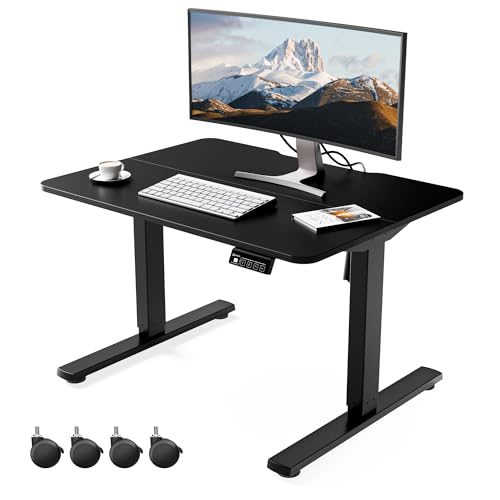
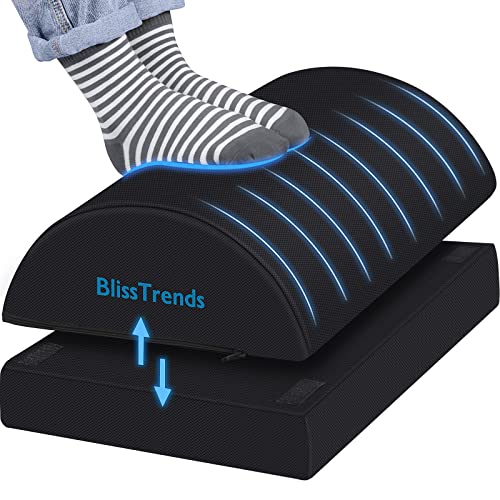
Yes! For a desk that's too high, use a footrest to elevate your feet, and consider a keyboard tray to lower your typing surface. If your desk is too low, you can raise it with desk risers, bed risers, or a desk converter. For a long-term solution, an electric standing desk gives you full control over your desk height.
What is the correct standing desk height for me?
The correct standing desk height follows the same rules: elbows at 90 degrees, wrists straight, and screen at eye level. A good starting point is to add 15–18 inches to your sitting desk height. For example, if your sitting desk height is 28 inches, your standing desk height should be around 43–46 inches. Always test and adjust for comfort.
How do I know if my desk height is correct?
You'll know it's correct when you can work without slouching, shrugging your shoulders, or leaning forward. Your wrists should be straight when typing, and your feet should rest flat on the floor (or a footrest). If you feel any discomfort or tension after 20 minutes, your desk height probably needs adjusting.
Your Desk Height Checklist
- ✅ Chair height set: Feet flat, knees at 90°, hips slightly higher than knees.
- ✅ Elbows at 90°: Forearms parallel to the floor, shoulders relaxed.
- ✅ Wrists straight: No upward or downward bending when typing.
- ✅ Screen at eye level: Top of monitor at or just below eye line.
- ✅ Thighs parallel to floor: Weight evenly distributed on your chair or standing pad.
- ✅ Keyboard close: No reaching forward. Keep your elbows close to your body.
- ✅ Monitor distance: About an arm's length away (20–30 inches / 50–76 cm).
- ✅ Feet supported: Flat on the floor or a stable footrest.
Use this checklist every time you sit down to work to ensure you're maintaining an ergonomic posture.
Ready for the Perfect Desk Setup?
Start with the correct height for your desk and build a workspace that works for you.
Explore Adjustable Desks