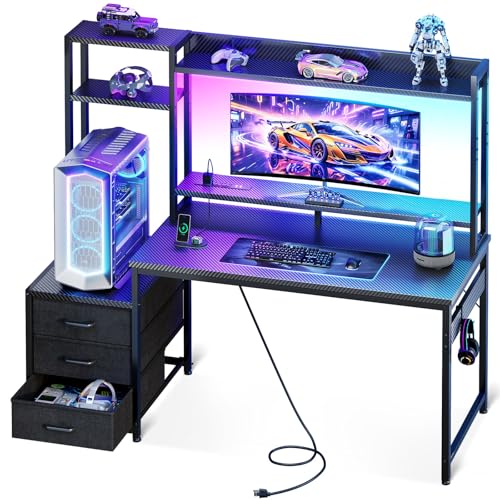
Desktop Computer Desk for Small Spaces: The Complete Compact Workspace Guide
Discover how to choose a compact computer desk that fits tight rooms, keeps cables tidy, and supports productive work without sacrificing comfort or storage.
Explore Top PicksWhy small-space desks matter: A desktop computer desk for small spaces must balance footprint, stability, and storage. The right compact model turns a cramped corner into a focused home office, while a poorly chosen desk can crowd the room and create ergonomic problems. This guide walks through dimensions, configurations, storage solutions, and setup strategies so you can make a confident decision before you buy.
Why a Compact Desktop Computer Desk Makes Sense
Small rooms demand smart furniture. A compact computer desk is designed to hold the essentials — a monitor, keyboard, mouse, and a few accessories — within a footprint that leaves room for movement and storage. For renters, students, and remote workers in studios or shared apartments, a well-designed small desk can be the difference between a cluttered space and a functional one.
Unlike full-size executive desks, compact models are engineered around efficiency. Many include built-in cable management, monitor shelves, or drawers that make the most of vertical space. If you are exploring broader options, our guide to desks for small spaces covers additional configurations and layout ideas.
Key Features to Look For
Footprint & Dimensions
A 36–48 inch width and 20–24 inch depth typically suit small rooms. Measure doorways and wall space before choosing, and consider corner models that use dead space efficiently.
Monitor Shelf or Riser
An integrated monitor shelf frees the main surface for keyboard and paperwork. A desk with monitor shelf can also improve screen height and posture.
Built-in Storage
Drawers and side pockets keep office supplies off the desktop. Explore desks with storage for small spaces for models that combine work surface and organization.
Cable Management
Grommets and under-desk trays hide wires in tight areas. A clean cable setup is especially important in small rooms where every inch is visible.
Adjustability
Height-adjustable models support sit-stand routines. A desktop adjustable height computer stand is a flexible alternative if you already own a fixed desk.
Durability & Stability
Look for reinforced frames, solid joints, and heavy-duty legs. Stability matters more in small spaces where the desk may be bumped frequently.
Types of Desktop Computer Desks for Small Spaces
There is no single design that suits every room. The best choice depends on your workflow, storage needs, and the shape of your space. Below are the most common configurations for compact computer desks.
1. Corner and L-Shaped Compact Desks
Corner desks use two walls and often provide more surface area than a straight desk of similar width. They are ideal for rooms where the center is needed for walking or other furniture. Some models include a return that forms an L-shape for dual-purpose work and study.
2. Straight Desks with Built-in Storage
A straight desk with drawers or shelves maximizes vertical organization. These designs are often easier to place against a single wall and work well under windows. If you need extra organization, consider a desk with storage drawers and shelves.
3. Wall-Mounted and Floating Desks
Floating desks attach directly to the wall, eliminating legs and freeing floor space. They suit minimal setups and narrow rooms, but require secure wall anchoring and careful weight limits.
4. Height-Adjustable Compact Desks
Electric or manual sit-stand desks are available in compact footprints. A desk that goes up and down supports healthier posture, though adjustable frames typically weigh more and may need reinforced flooring.
5. Multi-Purpose Desks
Some compact desks double as console tables, dining surfaces, or folding workstations. These are useful in studio apartments where furniture must serve more than one role.
Comparing Small-Space Desk Tiers
Desks for compact rooms vary widely in construction and features. The table below uses universal quality descriptors to help you compare options without relying on numerical figures.
| Tier | Category | Best For |
|---|---|---|
| Entry-Level | Basic compact computer desk | Students, light daily use, temporary setups |
| Mid-Range | Desk with monitor shelf or drawers | Remote workers needing storage and cable management |
| Premium | Height-adjustable compact desk | Users prioritizing ergonomics and long-term durability |
| Professional-Grade | Commercial compact workstation | Heavy daily use, shared offices, small business setups |
Ergonomics in a Small Space
Compact rooms often force compromises, but ergonomics should not be one of them. Position the monitor at eye level, keep the keyboard close to the desk edge, and ensure your chair supports your lower back. If the desk is fixed-height, a footrest or adjustable keyboard tray can help. For a deeper look at posture-friendly options, see our guide to ergonomic desks.
Lighting is equally important. A dimmable LED desk lamp reduces eye strain and can be positioned to avoid glare on the monitor. Small spaces benefit from task lighting rather than overhead fixtures that cast shadows.
Storage and Organization Strategies
In a small room, every surface must earn its place. Use vertical space with wall shelves or a desktop organizer shelf to keep supplies within reach. Under-desk drawers or a desktop organizer shelf with drawers can hold documents and accessories without taking up desktop area.
Cable clutter is the enemy of a tidy small workspace. Route wires through grommets, use adhesive clips, and consider a wireless keyboard and mouse to reduce tangles. A desktop computer mat can also protect the surface and define the work zone.
If you need extra storage, explore models like a desk with storage for small spaces or a desk with storage that includes drawers and shelving.
Setup Tips for Tiny Workspaces
- Measure twice: Confirm desk width, depth, and height against your room and chair before ordering.
- Choose the right wall: Place the desk away from high-traffic paths and avoid blocking windows or vents.
- Go vertical: Use wall shelves, pegboards, or a hutch to store items above the desk.
- Hide cables early: Plan cable routes before assembling the desk to avoid drilling or rework.
- Keep the surface clear: Reserve the desktop for daily essentials and store the rest in drawers or bins.
If you are setting up a first workspace, our first desk setup guide and small space desk solutions offer additional layout ideas.
Common Mistakes to Avoid
What to avoid
- Buying a desk that is too deep for the room
- Ignoring cable management until after setup
- Skipping measurements of doorways and stairs
- Choosing style over stability
What to prioritize
- Accurate dimensions and weight capacity
- Built-in storage and monitor shelf options
- Reinforced frame and stable legs
- Easy assembly and return policy
Related Guides for Small Desks
Explore these focused guides to refine your choice:
- Desktop computer desk — general buying guide
- Desks for small spaces with drawer — storage-focused options
- Desktops with storage for small spaces — compact storage solutions
- Desk with monitor shelf and keyboard tray — ergonomic layout
- Desk with wheels and adjustable height — flexible placement
- Desk with outlets — power access for devices
Frequently Asked Questions
What size desktop computer desk fits best in a small space?
For most small spaces, a desk between 36 and 48 inches wide and 20 to 24 inches deep provides enough room for a monitor, keyboard, and essentials without overwhelming the room. Corner and L-shaped compact designs can maximize unused floor area.
Should I choose a standing desk or a fixed desk for a small room?
A compact height-adjustable desk or a standing desk converter can add ergonomic benefits without extra footprint. Fixed desks are simpler and often more stable, while adjustable models suit users who alternate between sitting and standing throughout the day.
How can I add storage to a small computer desk?
Look for desks with built-in drawers, monitor shelves, or hutch options. Under-desk drawers, wall-mounted organizers, and vertical shelving can also expand storage without increasing the desk footprint.
Can a compact desk support dual monitors?
Yes, provided the desk has sufficient width and weight capacity. A monitor arm or dual monitor mount can free desktop space. Check the desk's rated load and use a reinforced mounting point if needed.
Is a corner desk better than a straight desk in a small room?
Corner desks often provide more usable surface area and free up central floor space. Straight desks are easier to place against a single wall and may suit rooms with limited corner access. Measure both options in your room before deciding.
Ready to Choose Your Compact Desk?
Browse hand-picked options that balance footprint, stability, and storage for small rooms. Compare features and find the right fit for your workspace.
View Recommended Desks