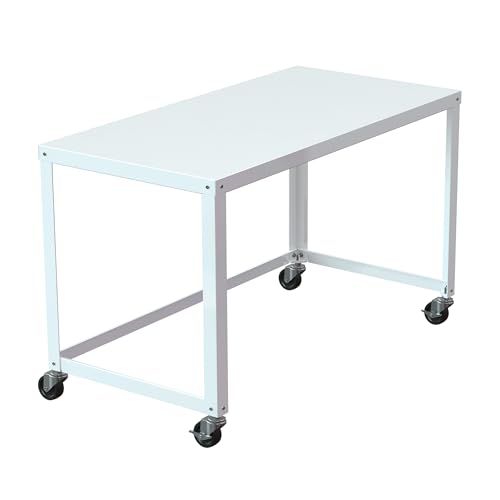
Why choose a metal desk? Metal desks offer unmatched durability, modern aesthetic appeal, and exceptional strength. Whether you're looking for a modern industrial desk for your home office or a heavy-duty workstation for professional use, metal desks provide a reliable foundation that can last for decades. This guide explores everything you need to know about metal desks—from materials and construction to design styles and buying considerations.
What Is a Metal Desk?
A metal desk is a workspace surface where the primary structural material—the frame, legs, and often the desktop itself—is made from metal. Common metals used include steel, aluminum, iron, and stainless steel. Metal desks are prized for their durability, stability, and modern aesthetic appeal. They can range from industrial-style workbenches to sleek, minimalist modern desk designs that complement contemporary interiors.
Unlike wood or particleboard desks, metal desks resist warping, cracking, and moisture damage. They can support heavy equipment and withstand daily wear and tear, making them ideal for both home offices and commercial environments. Many metal desks also feature powder-coated finishes that resist scratches and corrosion, ensuring they maintain their appearance for years.
Types of Metal Desks
Metal desks come in several configurations to suit different needs and preferences. Understanding the differences will help you choose the best option for your workspace.
1. Steel Desks
Steel is the most common material for metal desks, offering exceptional strength and durability. Steel desks can support heavy monitors, computers, and equipment without wobbling. They are available in both modern steel desk designs and vintage-inspired styles. Steel desks often feature powder-coated finishes to prevent rust and add aesthetic appeal.
- Weight Capacity: 200–500+ lbs
- Best For: Heavy-duty use, industrial settings, home offices
- Price Range:
2. Aluminum Desks
Aluminum desks are lightweight yet sturdy, making them easy to move and rearrange. Aluminum doesn't rust, making it an excellent choice for humid environments or outdoor use. Many modern aluminum desk designs feature sleek, minimalist aesthetics with brushed or anodized finishes. Aluminum desks are often used in tech offices and modern workspaces.
- Weight Capacity: 150–300 lbs
- Best For: Modern offices, minimalist designs, mobile workspaces
- Price Range:
3. Iron Desks
Iron desks offer a rustic, industrial aesthetic with exceptional durability. Cast iron or wrought iron desks are heavy and stable, often featuring ornate designs or vintage styling. Iron desks are ideal for executive offices, libraries, and spaces that require a classic, timeless look. They can also be used as metal desk legs for custom desk builds.
- Weight Capacity: 300–600+ lbs
- Best For: Executive offices, industrial decor, vintage aesthetics
- Price Range:
4. Stainless Steel Desks
Stainless steel desks offer the ultimate in durability and hygiene. They are resistant to stains, corrosion, and bacteria, making them ideal for medical offices, laboratories, and kitchens. Stainless steel desks have a sleek, professional appearance that works well in modern commercial environments.
- Weight Capacity: 250–500+ lbs
- Best For: Medical offices, labs, commercial kitchens, hygienic environments
- Price Range:
Metal Desk Comparison
| Feature | Steel Desk | Aluminum Desk | Iron Desk | Stainless Steel Desk |
|---|---|---|---|---|
| Weight | Heavy | Lightweight | Very Heavy | Heavy |
| Durability | Excellent | Good | Excellent | Excellent |
| Rust Resistance | Good (with coating) | Excellent | Poor (needs coating) | Excellent |
| Price Range | $300–$1,200+ | $200–$800+ | $500–$2,500+ | $600–$2,000+ |
| Best For | Home offices, industrial settings | Modern offices, mobile workspaces | Executive offices, vintage aesthetics | Medical offices, labs, commercial |
Metal Desk Design Styles
Metal desks are available in a variety of design styles to match your aesthetic preferences and workspace requirements.
Industrial Style
Industrial metal desks feature raw, utilitarian designs with exposed hardware, rough finishes, and functional details. These industrial desk designs often incorporate steel or iron with wood or concrete elements, creating a rugged, workshop-inspired aesthetic. Industrial metal desks are perfect for creative studios, lofts, and modern offices that embrace an edgy, unpolished look.
Minimalist Style
Minimalist metal desks feature clean lines, simple silhouettes, and understated finishes. These minimalist desk designs often use aluminum or steel with sleek, powder-coated surfaces. They eliminate unnecessary details to create a calm, clutter-free workspace that promotes focus and productivity.
Vintage / Retro Style
Vintage metal desks evoke the mid-century and early industrial eras with classic designs, rounded edges, and distinctive hardware. These vintage desk designs often feature olive green, gray, or beige finishes and may include built-in drawers and organizational features.
Modern / Contemporary Style
Modern metal desks feature innovative designs with clean geometry, bold colors, and advanced functionality. These modern desk designs often incorporate mixed materials, such as metal frames with wooden desktops, to create striking visual contrasts.
Pros and Cons of Metal Desks
Key Features to Consider When Buying a Metal Desk
When shopping for a metal desk, consider these important features to ensure you choose the right model for your needs.
Metal Desk vs Wood Desk: Which Is Right for You?
Choosing between a metal desk and a wood desk depends on your specific needs, preferences, and workspace requirements. Here's how they compare:
- Durability: Metal desks generally last longer and resist damage better than wood desks, which can scratch, warp, or crack over time.
- Weight: Metal desks (especially steel and iron) are typically heavier than wood desks, offering stability but making them harder to move.
- Appearance: Wood desks provide a warm, classic, or rustic aesthetic; metal desks offer a sleek, modern, or industrial look.
- Maintenance: Metal desks require less maintenance, while wood desks need occasional polishing and protection against moisture.
- Price: High-quality metal desks and solid wood desks can be similarly priced, but metal desks often offer better value for durability.
- Environmental Impact: Both materials have environmental considerations; metal is recyclable, while sustainable wood can be renewable.
Maintenance Tips for Metal Desks
Proper care ensures your metal desk maintains its appearance and functionality for years. Follow these tips:
- Regular Cleaning: Wipe down the surface with a soft, damp cloth and mild soap. Avoid abrasive cleaners that could scratch the finish.
- Prevent Rust: In humid environments, consider using a dehumidifier and periodically apply a protective wax or sealant to prevent rust formation.
- Check Screws and Joints: Periodically tighten any loose screws or bolts to maintain stability and prevent wobbling.
- Use Coasters and Pads: Use coasters for drinks and felt pads under equipment to prevent scratches on the desktop surface.
- Avoid Harsh Chemicals: Keep bleach, ammonia, and other harsh chemicals away from the desk surface, as they can damage the finish.
- Touch Up Scratches: For powder-coated finishes, use touch-up paint designed for metal surfaces to cover minor scratches.
Top Metal Desk Brands to Consider
Several manufacturers specialize in high-quality metal desks. Here are some of the most trusted brands in the industry:
- Uplift Desk: Known for premium motorized standing desk frames with steel construction and exceptional stability.
- Fully: Offers high-quality steel desk frames with sleek designs and ergonomic features.
- Steelcase: A commercial furniture leader providing durable steel desks for professional environments.
- Herman Miller: Premium modern and metal desks known for innovative design and exceptional quality.
- IKEA: Offers affordable steel and aluminum desks with modern, minimalist designs.
- FlexiSpot: Known for adjustable metal desk frames with reliable performance and good value.
Ergonomic Setup for Metal Desks
Maximize comfort and productivity by setting up your metal desk ergonomically:
- Monitor Height: Use monitor risers or monitor arms to position screens at eye level, reducing neck strain.
- Keyboard Position: Place the keyboard at elbow height with wrists straight. Consider a keyboard tray for optimal positioning.
- Chair Alignment: Choose a comfortable desk chair that allows your feet to rest flat on the floor.
- Desk Height: Adjust your standing desk or use risers to achieve the correct height for sitting or standing positions.
- Screen Distance: Keep screens at arm's length to reduce eye strain and maintain proper posture.
- Lighting: Position your modern desk light to avoid glare and provide adequate illumination.
Frequently Asked Questions About Metal Desks
Are metal desks strong enough for heavy equipment?
Yes. Most metal desks—particularly those made from steel or iron—can support significant weight. Steel desks typically support 200–500+ lbs, making them ideal for multiple monitors, desktop computers, and other heavy equipment.
Can I customize a metal desk?
Absolutely. Many metal desks offer customization options, including size, finish, and accessories. You can also build a custom desk using metal desk legs with a desktop of your choice.
How do I prevent rust on my metal desk?
Choose a desk with a powder-coated or galvanized finish for rust resistance. In humid environments, use a dehumidifier and apply protective wax or sealant periodically. Clean spills immediately and avoid prolonged exposure to moisture.
Are metal desks easy to assemble?
Most metal desks require some assembly, but many include clear instructions and necessary tools. Complex models or heavy-duty desks may benefit from professional assembly.
Can I use a metal desk with a glass top?
Yes, many metal desk frames are designed to support glass desktops. Ensure the glass is tempered for safety and check that the frame provides adequate support for the weight of the glass.