Monitor Stand Guide: The Secret to a Healthy & Productive Desk
Discover how the right monitor stand can transform your workspace, boost your posture, and enhance your productivity. This comprehensive guide covers everything you need to know.
A monitor stand is more than just a simple desk accessory; it's a critical component of an ergonomic desk setup. In today's world, where many of us spend countless hours in front of a computer screen, the position of your monitor directly impacts your physical health and work efficiency. A poorly positioned screen can lead to neck strain, eye fatigue, and even long-term posture issues.
This guide will walk you through everything you need to know about choosing the perfect monitor stand, also known as a monitor riser or desk riser. By the end of this article, you'll be equipped with the knowledge to make an informed purchase that will benefit your workspace for years to come. We'll cover the key benefits, important features to look for, different types of monitor stands, and how to integrate them into your overall desk setup layout.
Why You Need a Monitor Stand
Investing in a quality monitor stand is one of the most impactful changes you can make to your workspace. Here are the primary benefits:
- Improved Ergonomics and Posture: The most important benefit is raising your screen to eye level. This encourages a neutral spine position, reducing the strain on your neck and shoulders. Your head should be level, and your eyes should naturally fall on the top third of your screen. This is a cornerstone of any adjustable desk ergonomics strategy.
- Reduced Eye Strain and Headaches: When a monitor is too low, you tend to tilt your head down. When it's too high, you tilt it up. Both cause muscle tension. A properly positioned monitor also helps reduce glare from ambient lighting, which is a common cause of eye strain.
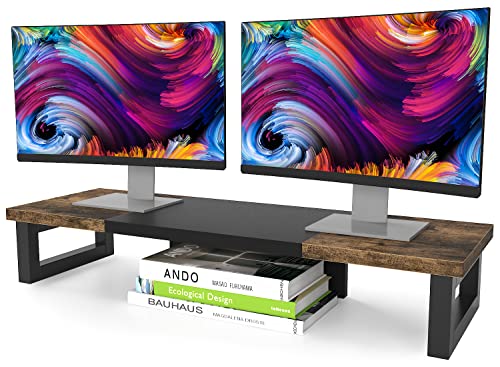
- Increased Desk Space and Organization: A monitor stand with a shelf creates valuable storage space underneath. You can tuck away your external keyboard, ergonomic mouse, notepads, or other small desk organizer trays, instantly reclaiming your desktop and creating a cleaner, more focused workspace.
- Enhanced Cable Management: Many modern monitor stands feature built-in cable management channels. This helps route cables neatly, preventing them from cluttering your desk surface and making your setup look professional. This works well with other solutions like desk cable management systems.
- Versatile and Adjustable: Whether you prefer a minimalist look, need a desk with outlets, or want a dedicated spot for your laptop, there's a monitor stand designed to meet your needs. Some stands are even height-adjustable, allowing you to fine-tune the position throughout the day.
Types of Monitor Stands
Choosing the right type depends on your specific needs, desk space, and the equipment you use. Here are the most common types:
Standard Monitor Stands / Risers
These are typically sturdy, fixed-height platforms that elevate your monitor to a better viewing angle. They often include a storage shelf underneath. They are the most affordable and common option for home offices. Many are made of wood, metal, or high-quality plastic. You can find options like a wood desk stand that matches your existing furniture.
Adjustable Height Monitor Stands
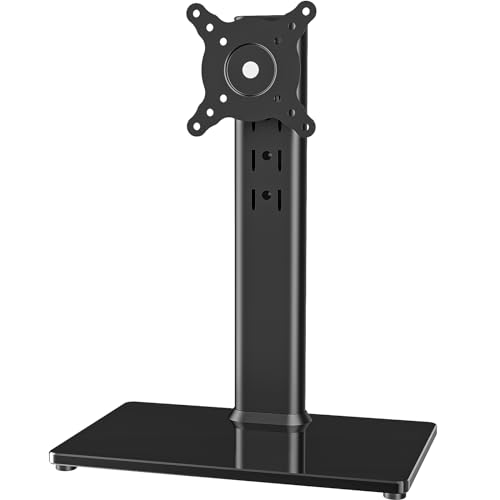
For ultimate flexibility, consider a height-adjustable stand. These often use a gas spring or a simple scissor mechanism. This allows you to change the height of your monitor on the fly, which is perfect if you share a desk or switch between sitting and standing. They are a great companion to a standing desk for home office.
Monitor Arms
While not strictly a "stand," a monitor arm is a highly versatile alternative. It clamps to the back of your desk and uses an articulating arm to position your monitor in almost any location. This frees up your entire desk surface and offers the greatest range of motion. For those who need extensive adjustability, this is an excellent choice. Consider pairing it with a desk clamp lamp for a fully adjustable, uncluttered setup.
Laptop Stands with Monitor Riser
If you primarily use a laptop, a combination laptop stand and monitor riser can be a fantastic space-saver. These often feature a dedicated area for your laptop and a raised shelf for an external monitor, effectively creating a dual-screen setup on a smaller footprint, ideal for desks with storage needs.
Key Features to Look For
To ensure you select the best monitor stand for your needs, pay attention to these critical features:
- Height and Adjustability: The stand should be high enough to bring the top of your monitor to eye level. If you choose an adjustable model, ensure it has a sufficient height range.
- Weight Capacity: Check the maximum weight capacity. This is crucial, especially if you have a heavy curved monitor, an ultrawide monitor review item, or a dual-monitor setup.
- Size and Footprint: Measure your monitor base and your desk space. The stand's platform should be large enough to support your monitor(s) securely without hanging over the edges.
- Material and Build Quality: Choose a stand made from sturdy materials like solid wood, steel, or aluminum for durability and stability. A well-built stand will last for years and protect your valuable equipment. Consider how it fits with your modern industrial desk or modern steel desk.
- Ventilation: If you place a laptop or other electronics under the stand, look for models with an open design or vents to prevent overheating.
- Additional Features: Some stands come with built-in USB ports, wireless charging pads, or cable management hooks. These can add significant convenience to your office setup.
Pro Tip: For the most ergonomic setup, your eyes should be at the same height as the top of your monitor screen. Use a tape measure to check the distance from your desk to your natural eye level to determine the ideal stand height. Tools like a standing desk height calculator can also help with overall desk ergonomics.
How to Position Your Monitor Correctly
Buying a monitor stand is only half the battle; positioning it correctly is where the real benefits are realized. Follow this simple checklist for a perfectly ergonomic setup:
- Height: The top of your monitor should be at or slightly below eye level. You shouldn't have to tilt your head up or down to see the screen. Your neck should be in a neutral, relaxed position.
- Distance: The screen should be about an arm's length away from you (approximately 20-30 inches). You should be able to comfortably read the text without squinting.
- Angle: Tilt the screen slightly backward (about 10-20 degrees) to reduce glare from overhead lights.
- Center Alignment: The center of the monitor should be directly in front of you. If you have a dual-monitor setup, the primary screen should be straight on, with the secondary screen to the side. This can be a key part of your overall desk product reviews research.
Frequently Asked Questions
Is a monitor stand better than using books?
Yes, absolutely. While books can be a temporary fix, they are unstable and don't offer the same level of support, durability, or, in many cases, the correct height. A dedicated monitor stand is designed for the job and often includes features like cable management and extra storage.
Can a monitor stand support a dual-monitor setup?
Yes, many stands are specifically designed to hold two monitors. Always check the weight capacity and platform width to ensure it can safely accommodate your specific monitors. Some people also use a wider stand for a clear glass desk to add a contrasting and sturdy element.
Are adjustable monitor stands worth the extra money?
For most people, yes. The ability to fine-tune the height of your screen provides greater flexibility and comfort, which can lead to better productivity and fewer aches and pains. It's a worthwhile investment in your health and efficiency, especially if you have a computer desk for small spaces.
Will a monitor stand work with a curved monitor?
Yes, as long as the stand's platform is wide and deep enough to securely hold the base of the curved monitor. Check the stand's dimensions against your monitor's base footprint.
Choosing Your Perfect Monitor Stand
Selecting the right monitor stand is a simple yet incredibly effective way to improve your daily work life. By understanding your needs, whether it's for a modern gaming desk or a professional home office, you can find a stand that offers the perfect balance of form and function. Remember to consider the height, material, weight capacity, and additional features that matter most to you.
Ready to elevate your workspace? Investing in a high-quality monitor riser is a decision your neck, back, and eyes will thank you for. A well-chosen stand is a foundational piece of any productive and healthy desk environment, complementing your office setup perfectly. Browse our curated selection of top monitor stands below and take the first step toward a more comfortable and efficient workspace.