The Complete Office Setup Guide
Build a productive, ergonomic, and inspiring workspace. From desk selection to monitor placement, we cover everything you need for the perfect office setup.
START YOUR OFFICE SETUPWhy a proper office setup matters: A well-designed workspace boosts productivity, reduces fatigue, and prevents long-term health issues. Whether you're working from home or in a corporate office, your desk setup directly impacts your comfort and efficiency. This guide walks you through every step—from choosing the right adjustable desk ergonomics to arranging your monitor stand guide for optimal viewing.
Core Elements of an Office Setup
1. The Right Desk
Your desk is the foundation. Consider standing desk for home office options for health benefits, or a corner desks design to maximize space. For small areas, check best desks for small spaces. Make sure it fits your workflow—whether you need a desk with storage for small spaces or a spacious wood desk for multiple monitors.
2. Ergonomic Chair
An ergonomic office chair is non-negotiable. Look for adjustable height, lumbar support, and armrests. Pair it with a desk footrest to improve posture. For kids or students, consider childrens desk chair options. Your chair and desk height must work together—use a standing desk height calculator to find your ideal settings.
3. Monitor & Screen Setup
Proper monitor placement reduces eye strain and neck pain. Use a monitor stand or monitor riser to achieve eye-level height. For dual setups, explore desk setup layout ideas. If you use a laptop, an adjustable desk laptop stand helps maintain good posture.
4. Accessories & Organization
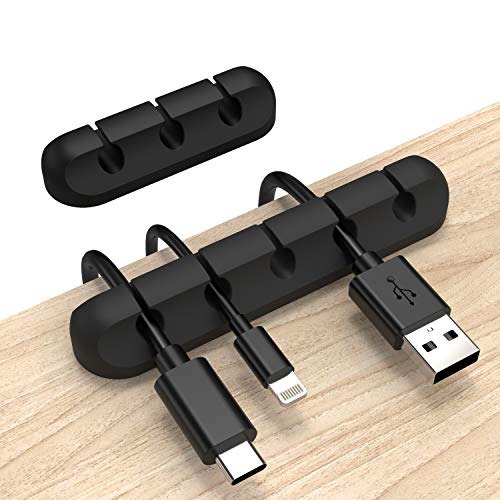
Keep your workspace tidy with desk cable management and desk organizer trays. Add a desk lamp for task lighting, and consider a desk keyboard tray for wrist comfort. For a personal touch, browse desk decor ideas to make your space inspiring.
Your Office Setup Checklist
- Desk: Choose a size that fits your room and work style. Measure your space and consider desk dimensions guide.
- Chair: Test for lumbar support and adjustability. Pair with an desk chair with wrist rest if needed.
- Monitor Placement: Top of screen at eye level, arm's length away. Use monitor stand guide for tips.
- Keyboard & Mouse: Keep them close to avoid reaching. An external keyboard and ergonomic mouse reduce strain.
- Lighting: Combine natural light with a best desk lamps for even illumination.
- Cable Management: Use clips, trays, or sleeves to hide wires. See desk cable management for ideas.
- Storage: Keep essentials within reach with desk storage solutions.
- Personal Touch: Add plants, photos, or aesthetic themes to boost mood.
Advanced Office Setup Tips
Dual-Monitor Efficiency
Position your primary monitor straight ahead and secondary to the side. Use a desk setup layout that minimizes head turning. A laptop docking station can simplify connections. For smaller spaces, a small spaces desk with a monitor stand saves surface area.
Sit-Stand Routine
Alternate between sitting and standing every 30–60 minutes. Use a sit-stand desk converter if you already have a desk. A standing desk matting reduces foot fatigue. Learn the correct standing desk height to maintain good posture.
Acoustics & Privacy
Reduce noise with soft furnishings or acoustic panels. A desk shelf above can create a sense of enclosure. For shared spaces, consider a modern desk with hutch to add privacy and storage.
Power & Connectivity
Ensure easy access to outlets. A desk with outlets or a power strip mounted under the desk keeps cables tidy. Use desk cable management to keep everything secure.
Ready to Build Your Perfect Office?
Explore our curated recommendations for desks, chairs, and accessories to create a workspace that works for you.
Shop Office Setup Essentials