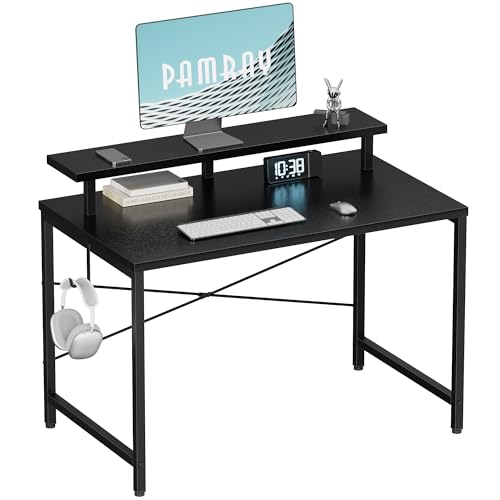
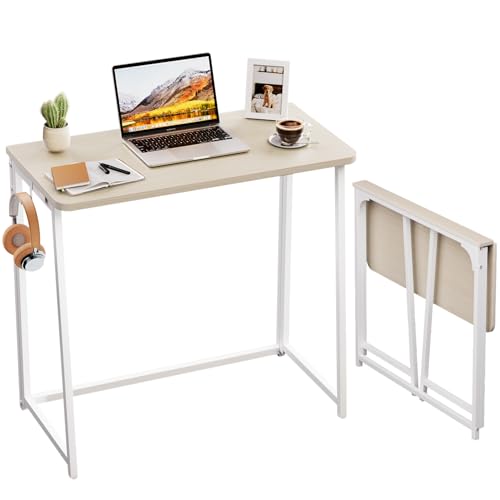
Work From Home Desks for Small Spaces: Smart Picks for Compact Home Offices
Working from home in a tiny apartment or a shared room? Discover how the right compact desk transforms a cramped corner into a productive, comfortable workspace — without sacrificing your living area.
Explore Smart Desk OptionsWhy the Right Desk Matters in a Small Space
When your home doubles as your office, every square foot counts. A desk that is too large crowds out your living area, while a desk that is too small compromises your posture and productivity. The ideal work from home desk for a small space balances three priorities: a footprint that fits your room, a work surface large enough for your essentials, and a design that keeps clutter under control.
Research in ergonomics consistently shows that a dedicated, well-organized workstation improves focus and reduces physical strain. In a small space, this means choosing a desk with intentional dimensions — deep enough for a laptop and a notepad, wide enough for a monitor, but not so sprawling that it dominates the room. Many compact desks also incorporate storage or cable management, which is essential when you cannot spread out across a full office.
If you are still mapping out your overall workspace, our guide to a work from home desk setup for small spaces walks through the full layout step by step. The desk itself, however, is the foundation — and that is what we focus on here.
Quick tip: Measure your available floor area and wall height before shopping. A desk that fits the wall but blocks a doorway or radiator will frustrate you daily. Aim for at least 24 inches of clear walking space around the desk.
Types of Work From Home Desks for Small Spaces
Not every compact desk suits every room. Below are the main categories, each with distinct strengths for small-space living.
1. Folding and Wall-Mounted Desks
These are the ultimate space savers. A space-saving folding desk collapses against the wall when not in use, freeing your floor entirely. Wall-mounted versions, sometimes called floating desks, attach directly to the wall with no legs, which keeps the floor visually open and makes the room feel larger. They suit renters who can mount hardware and anyone who wants a workspace that disappears at the end of the day.
2. Corner Desks
Corner desks exploit the dead space where two walls meet. A small corner computer desk with storage often provides more usable surface than a straight desk of the same width, because the angled shape follows the room's geometry. For bedrooms, a small corner computer desk for bedroom layouts can tuck neatly beside a bed or wardrobe.
3. Compact Straight Desks
A straightforward rectangular desk remains the most versatile option. Look for narrow depths (around 18 to 22 inches) and widths that fit your wall. Models like a small white desk with drawers for bedroom use a light finish to reduce visual weight, while a small writing desk with drawers offers storage without bulk.
4. L-Shaped and Multi-Function Desks
If you have a slightly larger nook, an L-shaped desk can wrap around a corner and deliver two work zones. A small L-shaped desk with hutch adds vertical storage, keeping the surface clear. These work best when the room has a natural corner that is not a traffic path.
5. Adjustable and Standing Desks
Height-adjustable desks are no longer limited to full-size offices. Compact sit-stand models let you alternate posture, which is valuable when your workspace is also your living space. A adjustable height desk with drawers combines movement with storage, and a work desk that goes up and down can be raised out of the way when you need floor space.
Key Features to Look For
Beyond dimensions, the details determine whether a compact desk works for daily use. Prioritize these features:
- Shallow depth with usable surface: A desk 20 inches deep can still hold a monitor on an arm and a keyboard. Avoid desks with thick, space-wasting frames.
- Integrated storage: Drawers, shelves, or a hutch keep papers and accessories off the surface. A desk with 3 drawers on one side is a classic space-efficient layout.
- Cable management: Small rooms show clutter fast. Look for grommets or included cable trays, and pair the desk with a under desk keyboard tray mount to free surface area.
- Sturdy, compact build: A wobbling desk is distracting and unsafe. Check weight capacity and frame stability, especially on folding and wall-mounted models.
- Flexible placement: Desks with legs on the outer edges (rather than a full pedestal) let you slide storage underneath or position the desk flush to a wall.
- Ergonomic add-ons: A monitor stand for desk with drawer raises your screen to eye level while adding storage, and a foot rest under desk adjustable height supports posture in tight setups.
Feature priority by tier: Entry-level compact desks usually offer basic flat surfaces and minimal storage. Mid-range models add drawers, grommets, and sturdier frames. High-end and premium compact desks include height adjustment, integrated charging, and refined materials that hold up to daily use.
Compact Desk Comparison by Tier
Use this tier-based comparison to match a desk category to your needs. Descriptors reflect relative market positioning and build quality — not any specific figure.
| Desk Category | Tier | Best For | Standout Strength |
|---|---|---|---|
| Folding / Wall-Mounted Desk | Essential tier | Tiny apartments, renters, multi-use rooms | Disappears completely when not in use |
| Small Corner Desk | Entry-level to mid-tier | Bedrooms and awkward wall junctions | Maximizes usable surface in a corner |
| Compact Straight Desk with Drawers | Mid-tier | Daily remote work with paperwork | Balanced storage and work area |
| Small L-Shaped Desk with Hutch | Mid-tier to high-end tier | Slightly larger nooks, dual-purpose setups | Vertical storage keeps surface clear |
| Adjustable Height Compact Desk | High-end tier | Health-conscious remote workers | Sit-stand flexibility in a small footprint |
| Premium Compact Desk with Charging | Premium / flagship tier | Professionals wanting a polished, permanent setup | Integrated power and refined materials |
When comparing within a tier, focus on frame stability and drawer glide quality rather than decorative details. A mid-range compact desk with reinforced legs will often outlast an entry-level model with a larger surface but thinner construction.
How to Set Up a Small Space Home Office
Once you have chosen a desk, the arrangement determines how well the space works. Follow these practical steps:
- Anchor the desk to the least-used wall. Avoid placing it in front of a window if glare will hit your screen, and keep it out of the main walking path.
- Go vertical. Use wall shelves or a hutch to move storage upward. A shelf to go on top of desk adds capacity without increasing the footprint.
- Route cables immediately. Set up cable management on day one — clips, sleeves, and an under-desk tray prevent the tangle that makes small rooms feel chaotic.
- Choose a chair that fits. A small desk and chair set for bedroom ensures the chair height matches the desk and saves you from mismatched ergonomics. If you share the workspace, consider a high back desk chair for support during long sessions.
- Add task lighting. A banker's desk lamp provides focused light without taking much surface area, and it doubles as a design feature.
- Keep the surface minimal. Store frequently used items in drawers or on a small organizer. The visual calm of a clear desk is especially valuable in a small room.
For a complete walkthrough of layout, lighting, and ergonomics, see our detailed guide to a work from home desk setup for small spaces. If you need to accommodate two screens, our recommendations for a work from home desk for 2 monitors explain how to fit dual displays without overwhelming a compact surface.
Common Mistakes to Avoid
- Buying before measuring. Confirm the desk's width, depth, and height against your wall and doorway clearances. Account for chair pull-out space too.
- Choosing surface over stability. A slightly smaller desk that does not wobble beats a wider desk with a flimsy frame.
- Ignoring storage until later. Without drawers or shelves, clutter migrates to the floor. Plan storage as part of the desk decision.
- Overlooking chair clearance. A oversized desk chair can swallow the floor space a compact desk saves. Match chair scale to room scale.
- Forgetting cable management. Cables multiply quickly; address them at setup, not after the mess appears.
- Skipping ergonomic accessories. A wrist rest and adjustable monitor height protect your posture even in a tight footprint.