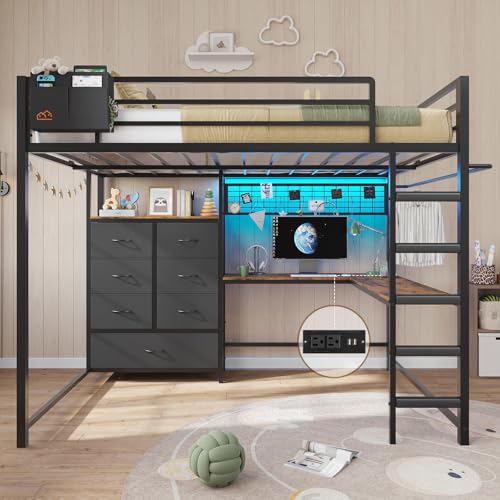
Full Size Bunk Bed with Desk and Storage: Complete Buyer's Guide
Everything you need to evaluate a full size bunk bed with desk and storage — layout options, safety essentials, material tiers, and workspace planning for a bedroom that works harder.
Why this guide matters: A full size bunk bed with desk and storage is a space-planning solution, not just furniture. It combines sleeping space for two, a built-in study zone, and organized storage in a single footprint. This guide walks you through the decisions that matter most — so you can choose a configuration that fits your room, your routine, and your long-term needs with confidence.
What Is a Full Size Bunk Bed with Desk and Storage?
A full size bunk bed with desk and storage is a multi-functional furniture unit that stacks two full size sleeping platforms while integrating a workspace and storage components into the same frame. Unlike a standard bunk bed, this configuration is designed around the idea that a bedroom should support sleep, study, and organization at once — without consuming the floor area that separate pieces would require.
These beds typically appear in teen bedrooms, shared rooms, guest rooms, and compact apartments. The desk may sit beneath the upper bunk, along one side of the frame, or as a pull-out surface. Storage usually takes the form of built-in drawers, shelves, cubbies, or a combination. The result is a single unit that replaces a bed, a desk, and a dresser — which is why this category has become a practical choice for rooms where floor space is the limiting factor.
If you are comparing this configuration against a simpler layout, it helps to understand the broader family of space-saving beds. A traditional bunk bed with desk focuses on the sleep-and-study pairing, while a full size bed with desk keeps the sleeping area at floor level. The full size bunk version adds a second sleeping surface while preserving the workspace — a meaningful difference in shared rooms.
Key Configurations to Compare
Not every full size bunk bed with desk and storage is laid out the same way. The three most common configurations each serve a different room shape and routine.
1. Desk Under the Upper Bunk
This is the most space-efficient layout. The lower sleeping area and the desk share the footprint beneath the upper bunk, with storage integrated into the side or end of the frame. It works well in narrow rooms where you want the study zone tucked away from the main walkway. The trade-off is that the desk area sits within the bed's vertical envelope, so ceiling height and clearance matter.
2. Desk Alongside the Frame
Here, the desk extends from one side of the bunk structure rather than sitting directly underneath. This layout gives the workspace more breathing room and can accommodate a wider desktop surface. It is a good fit for rooms that are wider than they are deep. If you are weighing this against a loft-style arrangement, a full size loft bed with desk underneath is a closely related option worth understanding.
3. Desk and Storage Integrated into the End Unit
Some designs place the desk and drawers at the foot or head of the bunk, turning the end of the bed into a compact workstation. This configuration keeps the sleeping platforms clear and centralizes storage. It suits rooms where the bed sits against a wall and the end unit faces the open floor.
Planning tip: Measure the room's ceiling height, the clearance above the upper bunk, and the walking path around the frame before choosing a configuration. The desk position determines how much natural light reaches the workspace — a detail that affects comfort more than most buyers expect.
Storage Options That Actually Work
Storage is where these beds earn their keep — or fall short. The most useful storage is the kind that matches what you actually need to put away. Consider these common storage types:
- Under-bed drawers: Best for clothing, linens, and everyday items. Look for drawers that slide smoothly on metal runners rather than wood-on-wood tracks.
- Open cubbies and shelves: Ideal for books, bins, and display items. Open storage is easy to access but requires discipline to stay tidy.
- Staircase storage: Some models replace the ladder with a staircase that doubles as drawer or cubby storage. This is a strong option for younger users and for rooms where a ladder feels less secure.
- Desk-integrated storage: Small drawers or shelves built into the desk unit keep study materials within reach without cluttering the surface.
If storage is your primary concern, it is worth comparing this category with a dedicated desk with storage drawers and shelves to understand how much storage volume different furniture types realistically provide. A bunk bed's storage is convenient, but it is distributed across the frame rather than concentrated in one large unit.
Materials and Build Quality by Tier
The frame material determines how stable the bed feels, how long it lasts, and how much maintenance it needs. Rather than thinking in terms of specific figures, it helps to classify options by their position in the market and their construction quality.
| Tier | Typical Construction | Best For |
|---|---|---|
| Entry-level | Engineered wood with basic hardware; lighter frame | Occasional use, guest rooms, tighter layouts |
| Mid-range | Reinforced engineered wood or mixed wood-and-metal frame | Everyday use in teen and shared bedrooms |
| Premium | Solid wood frame with high-grade steel fasteners | Long-term daily use, adult users, heavy loads |
| Commercial-grade | Heavy-duty steel or hardwood with reinforced joinery | High-traffic settings, institutional or rental use |
Within each tier, look for the details that signal durable construction: reinforced corner brackets, metal-to-metal connections at load-bearing joints, and a finish that resists wear. A mid-range model with solid joinery often outperforms a premium-looking frame with weak hardware. If you are also furnishing the rest of the workspace, the same tier logic applies to seating — an adjustable height desk chair for home office is a useful reference point for how construction quality scales across furniture categories.
Safety Essentials for Bunk Beds with Desks
Safety is the non-negotiable part of choosing a bunk bed. The desk and storage add functionality, but they also add structure that must be stable under load. Keep these essentials in mind:
- Guardrails: The upper bunk should have guardrails on all open sides, with a gap small enough to prevent a child from slipping through.
- Ladder or stairs: A secure ladder with anti-slip steps, or a staircase with a handrail, is essential. Stairs are generally easier for younger children.
- Wall anchoring: Anchor the frame to the wall using the supplied hardware. This is especially important for taller units with an upper bunk.
- Weight ratings: Respect the stated capacity for both the upper and lower sections. A desk and storage unit adds weight to the frame, so the load rating matters.
- Clearance: Ensure adequate headroom above the upper bunk and enough space around the desk for safe movement.
If the room is small, the layout around the bed matters as much as the bed itself. A narrow walking path combined with a desk chair can create pinch points. A comfortable desk chair for small spaces can help keep the workspace functional without crowding the room.
Planning the Desk Workspace
The desk portion of a full size bunk bed with desk and storage is usually compact, so planning the surface matters. A few practical considerations:
- Surface depth: A deeper desk surface supports a monitor and keyboard more comfortably than a shallow ledge. Check the usable depth, not just the overall width.
- Lighting: Under-bunk desks can feel dim. Plan for a dedicated task lamp or a position near a window.
- Cable routing: Built-in desks often lack cable management. Plan for clips or a small tray to keep cords off the sleeping area.
- Seating clearance: Confirm that a chair can slide under the desk and that the user can sit without hitting the upper bunk.
For rooms where the desk is the primary study zone, it is worth understanding how desk height affects comfort. A general reference like an office desk height calculator can help you judge whether a fixed desk height will suit the people who will use it.
Who Should Choose This Configuration?
A full size bunk bed with desk and storage is a strong fit for specific situations and a weaker fit for others. Use this quick assessment:
- Strong fit: Shared bedrooms for siblings or roommates, teen rooms that need a study zone, guest rooms that double as workspaces, and compact apartments where one unit must serve multiple functions.
- Moderate fit: Single-occupant rooms where the second bunk is used occasionally for guests. The extra sleeping surface is useful but not essential.
- Weaker fit: Rooms with low ceilings, very narrow floor plans, or users who need a large dedicated desk surface for professional work.
If the second sleeping surface is not needed, a related configuration may be a better match. A full size loft bed with desk underneath keeps the workspace and storage but removes the upper bunk, which can make the room feel more open. Similarly, a low loft bed with desk for small room is worth considering when ceiling height is limited.
Setup, Assembly, and Long-Term Maintenance
Assembly quality affects safety and longevity. Most full size bunk beds with desk and storage are delivered flat-packed and require two people to assemble safely. Follow the manufacturer's sequence, and do not fully tighten fasteners until the frame is square. After assembly, re-check the connections after the first week of use, then periodically thereafter.
Maintenance is straightforward: dust the frame and desk surface regularly, tighten hardware as needed, and inspect the guardrails and ladder connections every few months. For wood surfaces, avoid prolonged contact with moisture. If the desk surface sees heavy daily use, a desk mat can protect the finish — the same principle covered in general desk matting guidance applies to built-in desks as well.
Common Mistakes to Avoid
- Ignoring ceiling height: The upper bunk needs clearance for a person to sit up. Measure before you commit.
- Underestimating the desk footprint: A compact desk is fine for a laptop, but tight for a monitor, keyboard, and notebooks. Check usable surface area.
- Skipping wall anchoring: This is a safety requirement, not an optional step.
- Choosing storage that does not match your routine: Open cubbies and closed drawers serve different habits. Match the storage type to how you actually organize.
- Overlooking the chair: The best bed-desk unit still needs a chair that fits the space and the user. A desk and chair for small space pairing is a useful reference for keeping the workspace balanced.
Frequently Asked Questions
Is a full size bunk bed with desk and storage safe for children?
Yes, when assembled correctly and used within the manufacturer's weight and age guidance. Look for reinforced guardrails, a sturdy ladder, and a solid frame. Always anchor the bed to the wall and inspect fasteners periodically.
How much floor space does this configuration save?
By stacking the sleeping area above the desk and storage, these beds typically free up the footprint that a separate desk, dresser, and bed would otherwise occupy. The exact gain depends on the room layout and the bed's dimensions.
What materials are best?
Solid wood and high-grade steel offer the most durable construction. Engineered wood with reinforced joinery is a solid mid-range option. Prioritize a stable frame, quality hardware, and a finish that resists wear.
Can adults use a full size bunk bed with desk and storage?
Many full size models are designed for teens and adults, provided the stated weight capacity is respected. Check the load rating for both the upper and lower sections before use.
Is a bunk bed with desk better than a loft bed?
It depends on whether you need a second sleeping surface. A bunk bed adds one; a loft bed typically does not. Both preserve floor space for a desk and storage. If you only need one bed, a loft configuration may feel more open.
Ready to Compare Full Size Bunk Bed Options?
Explore our recommended models below to find a configuration that fits your room, your storage needs, and your workspace routine.