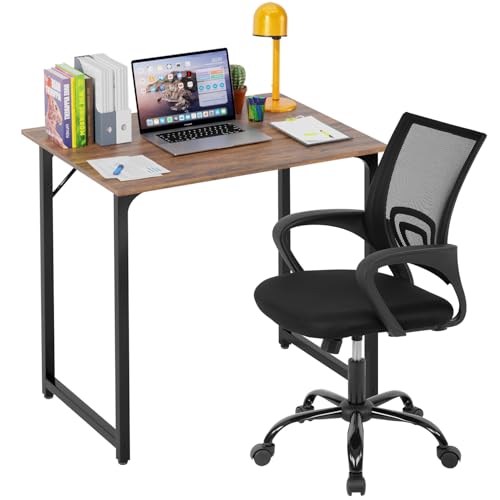
Desk and Chair for Small Space: The Complete Buyer's Guide
Discover how to fit a productive, comfortable, and stylish workspace into the smallest corners of your home. Expert advice on compact desks, ergonomic chairs, layout strategies, and smart storage solutions.
Why small-space desk and chair choices matter: A cramped workspace can hurt your posture, drain your focus, and make every workday feel chaotic. The right desk-and-chair pairing transforms a tiny corner into a functional command center. This guide walks you through every decision — from measuring your room to picking the ideal chair — so you can build a small-space setup that feels spacious, ergonomic, and beautifully organized.
1. Measure First: The Foundation of Any Small-Space Setup
Before browsing any product, grab a tape measure and map out your available floor area. The two numbers that matter most are desk width and chair clearance. For a comfortable sit-down workspace, aim for a desk that is at least 36 inches wide and 20 inches deep. Behind the chair, allow a minimum of 24 inches so you can push back and stand up without bumping into walls or furniture.
Also check vertical space: a monitor shelf or a wall-mounted organizer can reclaim storage without eating floor area. If your room doubles as a bedroom or living area, consider a desk that folds away or a corner model that hugs the wall. Our guide to small corner computer desks covers compact options that maximize tight footprints, and you can explore folding desks for rooms that need to switch functions throughout the day.
Door swings, radiator placement, and window access all affect where a desk can go. Sketch a simple floor plan with these obstacles marked, then choose a desk shape — rectangular, L-shaped, or corner — that fits the outline without blocking traffic flow.
2. Choosing the Right Desk for a Small Space
Small-space desks fall into a few proven categories. Compact rectangular desks are the most versatile: they slide against a wall and leave room for a chair and a small storage unit. Corner desks use dead angles and often include built-in shelves or keyboard trays. L-shaped desks give you two work surfaces in one footprint and are ideal if you juggle a laptop and a monitor. Wall-mounted or floating desks clear the floor entirely, making a room feel larger.
Storage is the secret weapon of small-space design. A desk with drawers, a hutch, or a monitor shelf keeps supplies off the work surface and reduces visual clutter. Explore small computer desks with monitor stands to raise your screen and free up desk real estate, or consider small office desks with drawers when you need to tuck away files and stationery. If you prefer a dedicated workspace that hides mess, a computer desk with a printer shelf keeps equipment organized and within reach.
Height-adjustable options are no longer reserved for large offices. A standing desk for a small desk or a stand-up desk converter for a narrow desk lets you alternate between sitting and standing without sacrificing floor space. For a permanent sit-stand solution, look at adjustable-height standing desks with compact frames.
3. The Perfect Chair for a Compact Workspace
A chair can make or break a small-space setup. The best small-space chair balances ergonomic support with a narrow footprint. Look for adjustable seat height, a supportive backrest, and a base that does not sprawl into walkways. Chairs without wheels are a smart choice in tight rooms because they stay put and avoid scuffing floors — see our guide to home office desk chairs without wheels for stable, space-friendly options.
If you share the desk with other household members, an adjustable-height desk chair for the home office lets everyone find a comfortable seating position. For sit-stand users, an adjustable-height chair for a standing desk supports perching and full sitting at different desk heights. A comfortable desk chair for small spaces should also have breathable upholstery and a compact armrest profile so it tucks neatly under the desk when not in use.
Color and material matter in small rooms. A white desk chair without wheels reflects light and makes a corner feel airier, while a bold orange desk chair adds a focal point without requiring extra floor space. Pair your chair with a protective under-desk chair mat for hardwood floors to prevent scratches and define the workspace zone.
4. Small-Space Layout Strategies That Actually Work
Great small-space layouts follow a few simple rules. Push the desk against a wall or into a corner to preserve open floor. Use vertical space with floating shelves, pegboards, or a hutch. Keep the chair area clear so you can move freely. Hide cables with trays and sleeves to reduce visual noise.
If your room serves multiple purposes, choose furniture that pulls double duty. A desk with storage drawers and shelves replaces a separate filing cabinet. A small desk organizer corrals pens, chargers, and notes without taking over the surface. For bedrooms, small bedroom desk ideas show how to carve out a study nook without crowding the bed. And if you are outfitting a shared or guest room, a full-size bed with a desk or a low loft bed with a desk for a small room combines sleeping and working space in one footprint.
Lighting is part of layout, too. A clamp-on lamp or a slim LED strip frees desk surface and brightens dark corners. Position the desk near a window when possible, but avoid glare on your monitor by placing the screen perpendicular to the window.
5. Desk and Chair Pairing: Tier Comparison
| Setup Category | Tier | Best For | Key Strength |
|---|---|---|---|
| Compact Rectangular Desk + Wheel-Free Chair | Entry-Level | Students, occasional work, tight corners | Simple, stable, easy to reposition |
| Corner Desk + Adjustable Ergonomic Chair | Mid-Range | Daily remote work, dual-monitor users | Maximizes corner space, supports posture |
| L-Shaped Desk with Storage + Mid-Tier Chair | Balanced Tier | Professionals needing two work zones | Built-in storage, generous surface |
| Sit-Stand Desk with Wheels + Ergonomic Chair | High-End Tier | Health-focused users, flexible schedules | Height flexibility, mobility, long-term comfort |
| Wall-Mounted Desk + Premium Compact Chair | Top-Tier | Minimalist rooms, very tight footprints | Zero floor clutter, premium ergonomics |
Use this table as a starting point, not a rigid rule. The right tier depends on how many hours per day you sit, whether you share the desk, and how much storage you need. Entry-level pairings work well for light use, while mid-range and high-end tiers reward daily users with better adjustability and durability. If you are planning a sit-stand setup, review our standing desk setup guide to align desk height, chair height, and monitor position.
6. Storage and Organization for Tiny Workspaces
In a small space, every item needs a home. Start with the desk itself: a model with a built-in drawer or a monitor shelf reduces the need for extra furniture. Add a small desk storage unit — a set of stacking drawers or a desktop caddy — to keep supplies contained. A desk file organizer keeps documents upright and accessible, while a small monitor shelf lifts your screen and creates a second tier for speakers, plants, or a keyboard.
Vertical storage is your best friend. Wall-mounted shelves, a pegboard, or a hutch keeps items off the desk and out of the way. If you need a dedicated spot for devices, a desk monitor stand with storage underneath hides a keyboard or notebook. For creative or tech-heavy setups, a desk Raspberry Pi project can centralize small electronics without adding clutter.
Finally, consider color and finish. A white desk with drawers for a bedroom blends into light walls and makes the room feel larger. A wood desktop adds warmth without bulk. Choose a desk color scheme that matches your room’s palette so the workspace feels intentional rather than crammed in.
7. Ergonomics in a Small Space: Getting Comfort Right
Small spaces often tempt you to skip ergonomic adjustments, but comfort is non-negotiable. Set your chair so your feet rest flat on the floor and your knees are at roughly 90 degrees. Position your monitor so the top of the screen is at or slightly below eye level. Use an office desk height calculator to find the right desk height for your body, and adjust your chair accordingly.
If your desk is fixed-height and too tall, a footrest can bridge the gap. If your chair is too tall for the desk, a small office desk with a keyboard tray lowers your typing surface to a comfortable level. For sit-stand users, an adjustable-height standing desk with wheels lets you shift positions without straining. Combine these adjustments with a standing desk setup plan that includes short standing intervals and proper monitor distance.
Remember that ergonomics is personal. Test your setup for a week and adjust as needed. A small space can still be a healthy space when you prioritize posture and movement.
Ready to Build Your Small-Space Workspace?
Explore our curated recommendations below and compare top-rated desks and chairs designed for compact rooms. Every option is selected for space efficiency, ergonomic support, and long-term durability.