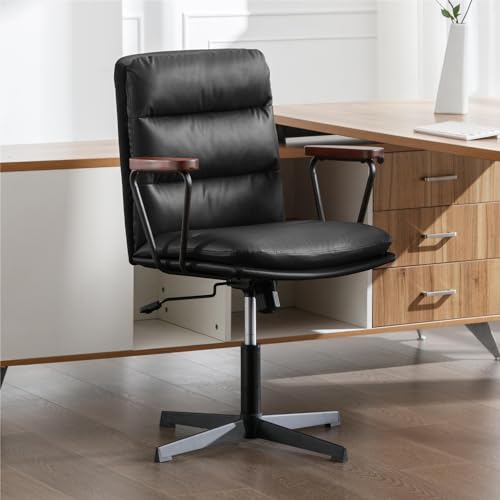
Home Office Desk Chair Without Wheels: The Complete Buyer's Guide
When setting up a home office, the chair you choose is arguably the most important investment for your comfort, health, and productivity. While rolling chairs dominate the traditional office landscape, a growing number of remote workers and design-conscious homeowners are turning to a home office desk chair without wheels. This guide explores why stationary chairs are gaining popularity, what features to look for, and how to choose the perfect no-wheels chair for your workspace.
Whether you are outfitting a dedicated study, a corner of your living room, or a minimalist bedroom workspace, understanding the nuances of stationary seating will help you make a confident decision. Let's dive into everything you need to know.
Why Choose a Desk Chair Without Wheels?
A chair without casters offers several distinct advantages that are often overlooked in standard office furniture. Here are the primary reasons homeowners and professionals are making the switch:
- Superior Stability: Without wheels, the chair stays firmly planted, which is ideal for tasks that require precision or sustained focus. You won't experience the subtle drift that occurs with even the best-locking casters.
- Floor Protection: Hardwood floors, luxury vinyl planks, and area rugs are all vulnerable to scratches and indentations from rolling chairs. A stationary chair eliminates this risk entirely, especially when equipped with felt or rubber glides.
- Aesthetic Integration: Stationary chairs often resemble fine furniture more than office equipment. Designs featuring solid wood frames, premium upholstery, and tailored silhouettes blend seamlessly with home decor, making them ideal for small bedroom desk ideas or multi-purpose living spaces.
- Reduced Clutter and Cable Risk: In tight spaces, casters can tangle with cables and rug edges. A fixed chair simplifies your floor plan and keeps your setup tidy.
- Mindful Movement: Some ergonomists argue that a stationary chair encourages more deliberate posture changes—standing up, stretching, and sitting back down—rather than constant micro-adjustments via rolling.
Design Tip: If you love the look of a stationary chair but occasionally need mobility, consider a model with glides that allow for easy pivoting without rolling. Pair it with a under-desk chair mat for hardwood floors to protect your flooring from any incidental movement.
Key Features to Look for in a Stationary Desk Chair
Not all no-wheels chairs are created equal. To ensure you get a chair that supports long work sessions, evaluate these critical features:
1. Adjustability and Ergonomics
A stationary chair should still offer height adjustment to accommodate different desk heights and body types. Look for pneumatic or manual height mechanisms that allow you to align your elbows with the desk surface. For a comprehensive guide on ideal seating positions, refer to our office desk height calculator.
Additional ergonomic considerations include:
- Lumbar Support: Built-in or adjustable lumbar cushions help maintain the natural curve of your lower spine.
- Seat Depth: Your seat should allow two to three inches of space between the back of your knees and the edge of the seat.
- Armrests: Adjustable or removable armrests let you position your shoulders in a relaxed, neutral posture.
2. Frame and Base Construction
The base of a stationary chair is a defining structural element. You will typically encounter:
- Four-Legged Wooden Base: Classic and sturdy, often seen in mid-century modern or traditional designs. These chairs may be described as essential tier or mid-range depending on the wood species and joinery.
- Metal Star Base (No Casters): Mimics the look of a rolling chair but with fixed glides. These are common in high-end tier ergonomic chairs that prioritize stability.
- Sled Base: A continuous frame that curves along the floor. Sled bases are excellent for carpeted surfaces and offer a contemporary look.
- Pedestal Base: A single central column with a flat disc or feet at the bottom. Often found in luxury or executive-style chairs.
High-grade steel and solid hardwood are markers of durable construction. Avoid chairs with particle board bases or thin veneers if you plan to use the chair daily.
3. Upholstery and Materials
The material covering your chair affects comfort, maintenance, and longevity. Consider the following options:
- Premium Leather: Durable, easy to clean, and develops a rich patina over time. Leather chairs are often positioned as premium or luxury tier.
- High-Grade Fabric: Breathable and available in countless colors. Performance fabrics resist stains and wear, making them ideal for daily use.
- Mesh Back with Fabric Seat: Provides excellent airflow, which is beneficial in warm climates or for users who tend to run warm. Mesh chairs are common in mid-tier and high-end tier ergonomic models.
For a cohesive workspace, consider how the chair's upholstery complements your existing desk color scheme.
4. Weight Capacity and Build Quality
Always check the manufacturer's stated weight capacity. A chair that feels solid underfoot and uses reinforced joints will provide years of reliable service. Commercial-grade construction is worth prioritizing if the chair will be shared or used for extended hours.
Stationary Chair vs. Rolling Chair: A Comparative Overview
The table below summarizes the key differences to help you decide which type suits your home office best.
| Feature | Chair Without Wheels | Rolling Chair |
|---|---|---|
| Stability | Excellent; stays firmly in place | Good, but subject to slight movement |
| Floor Protection | High; no casters to scratch surfaces | Requires a chair mat to prevent damage |
| Aesthetic | Furniture-like; blends with home decor | Traditional office look |
| Mobility | Fixed; user must stand to reposition | Easy to move across the floor |
| Best For | Focused tasks, design-conscious spaces, delicate flooring | Multi-tasking, shared workspaces, quick repositioning |
| Typical Tier | Entry-level to luxury (wide range) | Entry-level to professional-grade |
How to Integrate a No-Wheels Chair Into Your Home Office
Choosing the chair is only half the battle. Here are practical tips for making a stationary chair work seamlessly in your space:
- Measure Your Desk Clearance: Ensure the chair's armrests fit under your desk if you prefer to tuck it in. For compact setups, explore small office desk with keyboard tray options that pair well with stationary seating.
- Position for Easy Access: Place the chair at a comfortable distance from your desk so you can sit and stand without awkward maneuvering. If space is tight, a corner desk with monitor shelf can free up floor area.
- Add a Footrest: If your feet don't reach the floor after adjusting seat height, a footrest improves circulation and comfort. This is especially important for shorter users.
- Consider the Room's Flow: A stationary chair is a natural anchor for a reading nook or a vanity desk with lighted mirror. Treat it as a piece of furniture that contributes to the room's overall design.
- Coordinate with Other Seating: If your home office doubles as a guest room or living area, choose a chair that complements other furniture. Neutral tones and classic silhouettes offer the most versatility.
Top Use Cases for a Home Office Desk Chair Without Wheels
Stationary chairs excel in a variety of scenarios. Here are some of the most common:
Minimalist and Small Spaces
In a desk and chair for small space arrangement, a no-wheels chair reduces visual clutter and eliminates the need for a bulky chair mat. It can be tucked neatly under a compact desk when not in use.
Bedroom Workspaces
Bedrooms demand furniture that feels residential rather than corporate. A stationary chair with upholstery that matches your bedding or curtains creates a cohesive look. Explore white desk with drawers for bedroom pairings for a bright, airy aesthetic.
Shared Family Desks
If your desk is used by multiple family members, a stable chair with easy height adjustment is safer than a rolling chair, especially for children. Pair it with a computer desk with monitor shelf to keep screens at eye level for users of different heights.
Creative and Focus-Intensive Work
Artists, writers, and programmers often prefer the grounded feel of a stationary chair. The lack of micro-movement helps maintain flow and concentration during deep work sessions.
Maintenance and Care for Your Stationary Chair
To keep your chair looking and performing its best, follow these simple care guidelines:
- Upholstery: Vacuum fabric chairs weekly with a soft brush attachment. Wipe leather with a damp cloth and condition it every few months to prevent cracking.
- Frame and Base: Check screws and bolts periodically and tighten as needed. Lubricate metal joints sparingly with a silicone-based lubricant.
- Glides and Feet: Inspect felt or rubber glides for wear and replace them to protect your floors. This is especially important on hardwood or tile.
- Sunlight: Position the chair away from direct sunlight to prevent fading and material degradation.
Frequently Asked Questions
Final Thoughts
A home office desk chair without wheels is more than a stylistic choice—it is a functional upgrade for anyone who values stability, floor protection, and a workspace that feels like home. By prioritizing adjustability, quality materials, and thoughtful placement, you can create a comfortable and productive environment that supports your daily work.
Whether you are pairing your new chair with a small desk organizer to keep supplies tidy or exploring L-shaped desk with drawers and file cabinet options for a larger setup, the right stationary chair will serve as the foundation of your home office for years to come.
Ready to explore specific models? Browse our curated selection below to find a chair that matches your tier preferences and design sensibilities.