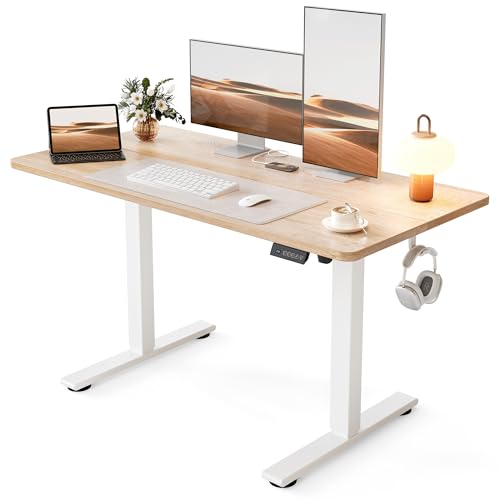
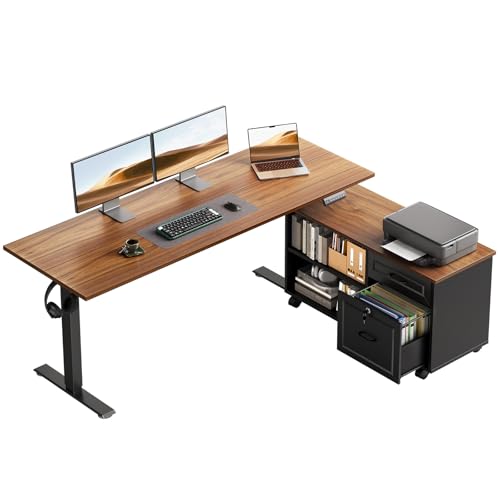
Sit and Stand Desk for Home Office: The Complete Guide
Discover how a sit-and-stand desk can transform your home office. Comprehensive guide on benefits, key features, and top models for a healthier, more productive workspace.
Why a Sit-and-Stand Desk is Essential for Your Home Office
A sit-and-stand desk for home office is more than just a trend—it's a transformative investment in your health, productivity, and overall work-from-home experience. Also known as an adjustable-height desk or standing desk, it allows you to effortlessly switch between sitting and standing throughout the day. This dynamic movement combats the harmful effects of prolonged sitting, which has been linked to back pain, poor posture, decreased energy, and even increased health risks.
Whether you're setting up a new workspace or upgrading your current one, a adjustable-height desk for home office offers the flexibility to create an environment that adapts to your needs, not the other way around. It's the cornerstone of an ergonomic home office, empowering you to work comfortably and stay focused for longer periods.
Did you know? Studies show that alternating between sitting and standing every 30-60 minutes can significantly reduce musculoskeletal discomfort and improve blood flow, boosting overall well-being and cognitive function.
Top Benefits of a Sit-and-Stand Desk
1. Health & Wellness
Reduces back, neck, and shoulder pain by promoting better posture. Lowers risk of weight gain, obesity, and metabolic syndrome associated with sedentary behavior.
2. Increased Energy & Focus
Standing increases blood flow and oxygen to the brain, which can enhance alertness, concentration, and cognitive function, reducing afternoon fatigue.
3. Enhanced Productivity
Users often report higher productivity levels due to improved comfort and reduced discomfort. The ability to move and adjust your position keeps you engaged and motivated.
4. Workspace Versatility
Perfect for multi-tasking, it easily accommodates different users and tasks. Adjust the height for typing, reading, video calls, or creative work with ease.
Types of Sit-and-Stand Desks for Home Office
When choosing a sit-and-stand desk, you'll find several main types, each catering to different needs, spaces, and budgets. Understanding these options is the first step to finding the perfect fit for your home office.
1. Electric Standing Desks
Electric sit-and-stand desks, also known as electric height-adjustable desks, are the most popular and convenient option. They feature a powerful motor that allows you to adjust the desk height with the simple push of a button. Many models offer programmable memory presets, so you can save your preferred sitting and standing heights for instant access. This is an ideal choice if you switch positions frequently throughout the day.
2. Manual Standing Desks
Manual desks are adjusted using a hand crank or a pneumatic gas spring mechanism. They are often more affordable than electric models and don't require a power outlet. While they take a bit more effort to adjust, they are reliable, durable, and perfect for those who don't need to change heights very often. A manual standing desk is a great entry-level option for a home office.
3. Standing Desk Converters
If you already have a desk you love but want the option to stand, a standing desk converter is a brilliant solution. These are units that sit on top of your existing desk and allow you to raise your monitor and keyboard to standing height. Stand-up desk converters for laptops and larger models for multiple monitors are excellent choices for a budget-friendly or space-saving upgrade.
4. Sit-Stand Mobile Desks
For ultimate flexibility, consider a sit-stand mobile desk. These are typically smaller, wheeled workstations that can be easily moved around your home office or even to different rooms. They are perfect for small spaces, serving as a secondary workstation or a portable standing desk solution.
Key Features to Look For
Before you buy a sit-and-stand desk for home office, consider these crucial features to ensure you choose a model that meets your needs and provides long-term value.
- Height Range: The desk's minimum and maximum height should comfortably fit your body. For a user around 5'10", a range of 28" to 48" is typically ideal. Consider a standing desk height for a 6-foot person to find the perfect fit.
- Weight Capacity: Check the maximum load capacity. Ensure it can safely support your monitor(s), laptop, keyboard, and any other equipment. Standing desks for 2 monitors and a laptop need a higher weight capacity.
- Stability: Look for a sturdy frame and a high-quality base. A wobbly desk is not only annoying but also unsafe. Desks with a crossbar or wider footings offer better stability.
- Motor Speed & Noise: For electric desks, consider the motor's speed (inches per second) and noise level. A quiet, smooth motor makes transitions effortless and discreet, especially during important calls.
- Desktop Material & Size: Choose a material that fits your aesthetic and is durable. Popular options include bamboo, solid wood, and laminate. The desk size should accommodate your workflow. For a spacious setup, a 72-inch computer desk is a great option.
- Memory Presets: If you frequently switch between sitting and standing, models with programmable presets save time and ensure ergonomic perfection every time.
- Assembly & Warranty: Consider the ease of assembly and check the warranty offered by the manufacturer. A good warranty reflects the company's confidence in its product.
Setting Up Your Sit-and-Stand Desk Ergonomically
Owning a sit-and-stand desk is only half the battle. To truly reap the benefits, you must set it up correctly. Here are some essential ergonomic tips for your home office:
- Monitor Height: When standing, your monitor should be at eye level, about 20-28 inches away from your face. When sitting, the top of the screen should be at or just below eye level. Consider using a monitor riser if your desk doesn't allow for precise height adjustment.
- Keyboard & Mouse Position: Keep your elbows at a 90-degree angle and wrists straight. Use an adjustable keyboard tray to achieve this, or ensure your desk height supports it perfectly.
- Proper Posture: Maintain a neutral spine with your head aligned over your shoulders and your shoulders over your hips. Avoid leaning or slouching.
- Anti-Fatigue Mat: When standing, use an anti-fatigue mat to reduce pressure on your feet, legs, and back. It encourages subtle movement, which prevents stiffness.
- Alternate Frequently: The golden rule of a sit-stand desk is to alternate. Use an app, timer, or smartwatch to remind you to switch positions every 30 to 60 minutes.
Pro Tip: Invest in a comfortable desk chair with lumbar support for the times you are sitting. A good chair complements your standing desk, creating a complete ergonomic ecosystem.
Budgeting for Your Sit-and-Stand Desk
The cost of a sit-and-stand desk for home office can vary widely. Setting a realistic budget will help you narrow down your options. Prices depend on factors like size, material, motor type, and brand.
- Entry-Level (Under $250): Manual crank desks, standing desk converters, and smaller electric models with basic features. These are a great starting point for those on a tight budget or working with limited space. Look for a adjustable standing desk for small spaces.
- Mid-Range ($250–$800): This is the most popular segment. It includes high-quality electric desks with dual motors, sturdy frames, and various desktop materials. Many offer programmable memory presets and larger sizes, like a 60x30 office desk with drawers.
- Premium ($800+): These desks feature top-tier materials (like solid wood), advanced motors, superior stability, and extensive customization options. They often come from premium brands and include long warranties. A big and tall or high-end home office setup may fall into this bracket.
$250–$800 is a recommended budget for a high-quality, durable sit-and-stand desk that will serve you well for years. Standing desks for 2 monitors and a laptop often fall within this range.
Top Brands & What to Look For
The market for sit-and-stand desks is filled with reputable brands that offer excellent quality. When researching, look for brands that specialize in ergonomic office furniture and have positive customer reviews regarding durability, customer service, and product reliability.
Consider features like the desk's frame construction (steel is a standard for durability), the type of motor (dual motors are generally quieter and smoother for heavy loads), and the warranty coverage (a 5–10 year warranty on the frame and motor is a great sign of quality).
Many brands now offer L-shaped and corner models, which are perfect for maximizing space and creating a dedicated work area. If you have the room, an L-shaped desk with a monitor stand can provide a professional and expansive workspace. For a more classic look, consider a wood home office desk that integrates a sit-stand mechanism.
Frequently Asked Questions (FAQ)
Is a sit-and-stand desk worth it?
Absolutely. The health and productivity benefits are well-documented. It's a worthwhile investment for anyone who spends significant hours working at a desk.
How long should I stand at a standing desk?
Start with 15-20 minutes of standing every hour. The key is not to stand for too long. Aim for a balance of sitting, standing, and moving throughout the day. A guide on how long to stand can help you get started.
Can I use a standing desk converter on any desk?
Most converters work on standard desks, but check the weight and size of the converter against your desk's dimensions and capacity. They are a versatile option for an existing home office.
What's the difference between a sit-stand desk and a standing desk?
A sit-stand desk is designed to be used both sitting and standing. A "standing desk" often refers to a desk meant only for standing. However, the terms are often used interchangeably. For a home office, a sit-stand desk is always the more versatile choice.
Find Your Perfect Sit-and-Stand Desk Today
Ready to transform your home office? Browse our selection of top-rated sit-and-stand desks and take the first step toward a healthier, more productive work life.
Shop Now