DIY Desk Guide: Build Your Dream Workspace
Create a custom desk that perfectly fits your space, style, and needs. Our comprehensive DIY desk guide covers everything from planning and materials to step-by-step assembly and finishing.
Explore DIY Desk PlansPerfect Fit
Design a desk that matches your exact space dimensions and functional requirements.
Cost Savings
Build a high-quality custom desk for a fraction of the cost of comparable pre-made furniture.
Unique Style
Create a one-of-a-kind piece that reflects your personal aesthetic and complements your home.
All About Desks DIY Philosophy: Building your own desk is one of the most rewarding home projects you can undertake. Not only do you get a custom piece perfectly suited to your needs, but you also gain the satisfaction of creating something with your own hands. Whether you're a beginner or an experienced woodworker, this guide will help you build a desk you'll love for years to come.
1. Planning Your DIY Desk
Before you buy materials or pick up a tool, careful planning is essential. The DIY desk you build should serve your specific needs for years to come.
📐 Determine Your Space
Measure your available space carefully. Consider not just the desktop surface but also clearance for your chair, walking space, and any additional furniture. For small spaces, consider a small spaces desk design. If you have a corner to fill, a corner desks layout might be perfect.
🪑 Define Your Needs
Think about what you'll use your desk for. Will it be a computer workstation, a writing desk, or a creative space? Do you need storage? Consider desk storage solutions integrated into your design, or plan for a drop-leaf desk if you need flexibility.
🎨 Choose Your Style
Your DIY desk should complement your existing decor. Popular styles include modern, industrial, minimalist, and rustic. For a modern look, explore modern furniture inspiration. For a cozy feel, consider coastal decor elements or a reading nook vibe.
💰 Set Your Budget
DIY desks can range from simple and affordable to elaborate and costly. For budget-friendly options, consider using eco-friendly desk materials like reclaimed wood. If you plan to use the desk for a home office, check out standing desk for home office designs for added health benefits.
2. Choosing Your Materials
The material you choose for your DIY desk affects its durability, aesthetics, cost, and weight. Here are the most popular options for desk materials care and construction.
🪵 Plywood
$50–$150 per sheetStrong, stable, and affordable. Ideal for desktops and structural components. Available in various grades and finishes.
🌳 Solid Hardwood
$200–$800+Premium choice for beautiful, durable desktops. Options include oak, walnut, maple, and cherry. Requires more woodworking skill.
📋 MDF (Medium-Density Fiberboard)
$30–$100 per sheetAffordable, smooth, and easy to paint. Great for painted finishes but heavier and less water-resistant than plywood.
🪵 Butcher Block
$150–$400+Durable and stylish, made from glued wood strips. Offers a warm, natural look and can be refinished easily.
🏗️ Metal & Steel
$100–$500+Ideal for industrial-style frames and legs. Offers strength and a modern aesthetic. Combine with wood or glass surfaces.
♻️ Reclaimed Wood
$100–$600+Eco-friendly option with unique character and history. Requires proper preparation and sealing.
For a truly custom look, consider combining materials. For example, a wood desk top with metal legs creates a modern industrial aesthetic. If you're building for a specific purpose, like a workshop desk or garage desk, prioritize durability over aesthetics.
3. Essential Tools for Building a Desk
Having the right tools makes your DIY desk project smoother and safer. Here's what you'll need, from basic to optional.
- ✓ Circular saw or table saw
- ✓ Drill and drill bits
- ✓ Tape measure and square
- ✓ Sandpaper and orbital sander
- ✓ Wood glue and screws
- ✓ Pocket hole jig
- ✓ Clamps
- ✓ Router with bits
- ✓ Miter saw
- ✓ Safety glasses
- ✓ Hearing protection
- ✓ Dust mask or respirator
- ✓ Work gloves
4. Step-by-Step Building Process
Follow these steps to build a sturdy, professional-quality DIY desk. Adjust measurements and design elements based on your specific requirements.
-
Step 1: Plan and Measure
Create detailed plans with precise measurements. Determine the final dimensions of your desktop, leg placement, and any additional features like shelves or drawers. Use a desk dimensions guide for ergonomic standards. Consider the standing desk height calculator if you're building an adjustable desk.
-
Step 2: Cut Your Materials
Using your measurements, carefully cut all pieces. For the desktop, consider desk tops options like butcher block or plywood. If you're planning a modern steel desk or modern aluminum desk, metal cutting tools may be required. For a clear glass desk top, you'll need special handling.
-
Step 3: Assemble the Frame
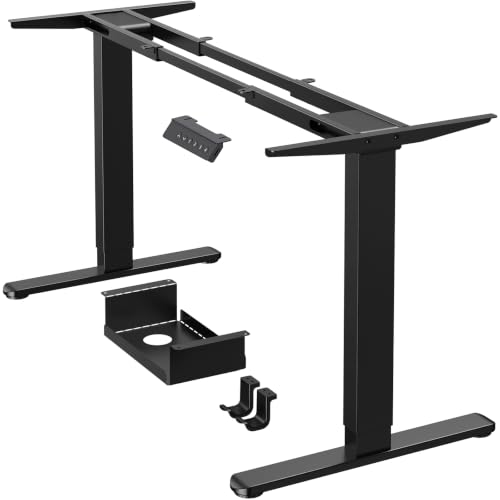
Build the desk frame or legs first. Options include metal legs from a supplier, wooden legs you build yourself, or even a simple sawhorse design. For a wall-mounted desks design, install wall brackets securely. Ensure everything is level and square.
-
Step 4: Attach the Desktop
Secure the desktop to the frame using screws, brackets, or wood joinery. For extra stability, consider a desk riser or additional support beams. If your design includes a drop-top desk feature, install the hinge mechanism at this stage.
-
Step 5: Add Storage and Accessories
Install any additional features like drawers, shelves, or desk shelf above the main surface. Consider desk cable management solutions to keep wires organized. Add desk organizer trays for smaller items.
-
Step 6: Sand and Finish
Sand all surfaces thoroughly, starting with coarse grit and progressing to fine. Apply your chosen finish – stain for a natural look, paint for a modern aesthetic, or clear polyurethane for protection. Follow desk care guidelines to ensure long-lasting results.
5. Finishing & Styling Your DIY Desk
The finishing touches make your DIY desk truly special. From the right finish to complementary accessories, here's how to perfect your workspace.
🎨 Choose the Right Finish
Consider your desk's usage. For a modern industrial desk, a matte black or dark stain works well. For a coastal decor style, white or light wood tones are ideal.
💡 Lighting Matters
Add a desk lamp or clamp lamp for task lighting. Consider best desk lamps that complement your style.
🪑 Complete the Setup
Pair your desk with an ergonomic desk chairs or modern office desk chair for comfort. Consider a desk chair with wrist rest for additional support.
🖥️ Tech Integration
Plan for desk with outlets or add a laptop docking station. Use monitor stand and monitor riser for ergonomic viewing.
6. Common DIY Desk Mistakes to Avoid
Even experienced builders can make mistakes. Here are the most common pitfalls and how to avoid them.
❌ Wrong Dimensions
Always double-check your measurements before cutting. Consider ergonomic factors using a desk height calculator.
❌ Poor Material Choice
Choose materials based on your desk's intended use. A desk weight capacity guide can help.
❌ Skipping the Sanding
Proper sanding is crucial for a professional finish. Don't rush this step.
❌ Ignoring Stability
Ensure your design is structurally sound. Consider adjustable desk ergonomics for standing desks.
7. DIY Desk Inspiration & Ideas
Need ideas for your DIY desk? Here are some popular styles to inspire your build.
Industrial Pipe Desk
Combine steel pipe legs with a wooden or concrete top for a rugged, urban look.
Live Edge Slab Desk
Use a single slab of wood with natural edges for a stunning organic statement piece.
Floating Wall Desk
Save floor space with a sleek wall-mounted desk. Great for home offices and small rooms.
Need more inspiration? Explore our desk setup ideas and aesthetic themes for your workspace.
8. Tips for Long-Term Desk Satisfaction
Your DIY desk can last a lifetime with proper care and attention. Here's how to ensure it stays beautiful and functional.
- ✔ Regular maintenance: Clean your desk regularly with appropriate products. For wood, use a gentle wood cleaner. For metal, wipe with a damp cloth. Follow our desk material care guide for specific materials.
- ✔ Use coasters and mats: Protect your desk surface from heat, moisture, and scratches with desk mats and coasters.
- ✔ Keep cables organized: Use desk cable management solutions to prevent tangles and keep your workspace looking clean.
- ✔ Consider future upgrades: Design your desk with flexibility in mind. Plan for potential additions like a monitor stand guide mount or desk keyboard tray.
Ready to Start Your DIY Desk Project?
Gather your materials, pick up your tools, and build the desk you've always wanted. For more inspiration, check out our DIY desk plans and custom desk ideas.