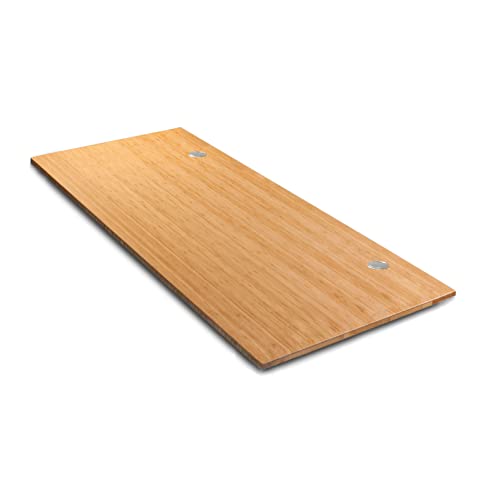
Wood Desk Top Guide: Types, Finishes & Buying Tips
The desk surface is the heart of your workspace. Whether you prefer the warmth of oak, the richness of walnut, or the sustainability of bamboo, choosing the right wood desk top is a critical decision that impacts both aesthetics and functionality. This comprehensive guide covers everything you need to know to select, maintain, and enjoy the perfect wood desk top for your home office or workspace.
Why Your Desk Surface Matters: Your desk top is more than just a place to put your monitor and keyboard. It's the foundation of your productivity, the canvas for your creativity, and a key element of your room's decor. A high-quality wood desk top is an investment that can last for decades, developing a beautiful patina over time and providing a durable, stable work surface.
Understanding Wood Desk Tops
A wood desk top is more than just a flat surface; it's a statement of style and a foundation for productivity. The material you choose affects everything from the durability of your desk to the overall feel of your workspace. Whether you are setting up a home office desk or looking for a writing desk with drawers, the surface is the most important part. A solid wood top provides a timeless, warm aesthetic that can complement any décor, from modern minimalist to rustic farmhouse. Unlike engineered materials, each solid wood desk top has unique grain patterns, color variations, and character, making your desk truly one-of-a-kind.
Comparing the Best Wood Types for Your Desk Top
Different wood species offer different levels of hardness, grain patterns, and color tones. Here’s a breakdown of the most popular options for a wood top desk.
Oak Desk Tops
- Extremely hard and durable
- Prominent, beautiful grain pattern
- Available in red and white oak
- Stains and finishes very well
Walnut Desk Tops
- Rich, dark chocolate-brown color
- Straight grain with occasional waves
- Medium hardness, very stable
- Develops a beautiful patina over time
Bamboo Desk Tops
- Eco-friendly and sustainable
- Light, modern aesthetic
- Harder than many hardwoods
- Resistant to moisture and scratches
Maple Desk Tops
- Light, creamy color with subtle grain
- Very hard and durable
- Excellent for modern and contemporary styles
- Takes stains and paints well
Reclaimed Wood Desk Tops
- Unique character and history
- Eco-friendly and sustainable
- Often features nail holes and weathering
- Each piece is one-of-a-kind
Cherry Wood Desk Tops
- Rich, reddish-brown color that deepens with age
- Fine, straight grain pattern
- Medium hardness, easy to work with
- Classic, elegant look
The Pros and Cons of Wood Desk Tops
Understanding the advantages and disadvantages of a wooden desk top will help you make an informed decision that suits your lifestyle and work habits.
✅ Advantages
- Aesthetic Appeal: Wood offers a timeless, warm, and natural beauty that enhances any workspace.
- Durability: A well-maintained solid wood desk top can last a lifetime and even become an heirloom piece.
- Repairability: Scratches, dents, and stains can often be sanded out and refinished, restoring the surface to its original beauty.
- Variety: With hundreds of wood species available, you can find the perfect color, grain, and hardness for your needs.
- Unique Character: No two wood desk tops are exactly alike, giving your workspace a distinct and personal feel.
❌ Disadvantages
- Cost: Solid wood desk tops are generally more expensive than engineered materials like MDF or laminate.
- Maintenance: Wood requires regular dusting, polishing, and occasional oiling or sealing to prevent drying and cracking.
- Sensitivity: Wood can be susceptible to scratches, dents, heat damage, and water rings if not properly protected.
- Weight: Solid wood tops are heavy, making the desk difficult to move and requiring a sturdy frame.
- Stability: Wood can expand and contract with changes in humidity, which may affect the desk's alignment over time.
Finishes and Protection for Your Wood Desk Top
Choosing the right finish is crucial for protecting your wood desk for home office and ensuring its longevity. Here are some common options:
Oil-Based Finishes
Penetrating oils like linseed or tung oil enhance the natural beauty of the wood, providing a warm, matte finish. They offer moderate protection and are easy to repair.
Polyurethane Varnish
Provides a durable, hard-wearing surface that is resistant to scratches, water, and heat. Available in satin, semi-gloss, and gloss finishes. Ideal for high-use wood computer desks.
Shellac and Lacquer
Fast-drying finishes that offer a hard, durable surface. Lacquer is often used in factory finishes, while shellac provides a classic, warm look and is easy to apply.
Wax and Polishes
Used as a final coat over other finishes or on bare wood, wax adds a subtle sheen and a protective layer that repels moisture and dust. Requires regular reapplication.
Thickness and Construction: What to Look For
The thickness of your wood desk with hutch top impacts its stability, durability, and overall feel. Here’s what you need to know:
Standard Thickness
Most desk tops range from 0.75 inches (19mm) to 1.5 inches (38mm). Thicker tops, such as 1.5 inches, provide a more substantial and premium feel, while thinner tops are lighter and more affordable. For a wood standing desk, a thickness of at least 1 inch is recommended for stability.
Solid Wood vs. Edge-Glued Panels
A solid wood top is made from a single piece of lumber, which is rare and expensive. Most wood desk tops are edge-glued panels, where smaller strips of wood are joined together to create a wide, stable surface. Look for panels with tight glue joints and consistent grain patterns.
Butcher Block Construction
Butcher block desk tops are made from strips of wood glued together on edge, creating a durable, striped appearance. They are incredibly strong and can be sanded and refinished many times. A butcher block desk is an excellent choice for a sturdy and attractive workspace.
Ready to Buy Your Perfect Wood Desk Top?
You've learned about the different wood types, finishes, and construction methods. Now it's time to make a choice. Whether you're looking for a white oak desk, a wooden executive desk, or a more affordable option, the key is to find a surface that fits your style, budget, and work habits. Remember to consider the following when shopping:
- Your Workstyle: Do you need a durable surface for heavy equipment, or a delicate one for light writing?
- Your Décor: Choose a wood species and finish that complements your office or room.
- Maintenance: Are you willing to oil and wax your desk regularly, or do you prefer a low-maintenance finish?
- Budget: Prices can range from a few hundred dollars for a laminate over wood to several thousand for a premium solid wood top.
The products recommended below are carefully selected to help you find the best wood desk top for your needs. From high-end solid wood options to value-packed alternatives, these selections offer quality, durability, and style. Explore the options and make an informed choice for your workspace.
Enhance Your Setup: Once you've chosen your wood desk top, consider completing your workspace with a wood office desk frame, a wooden desk chair for a cohesive look, or a workstation desk setup for maximum productivity. For those who need extra space, a corner desk setup might be the perfect solution.