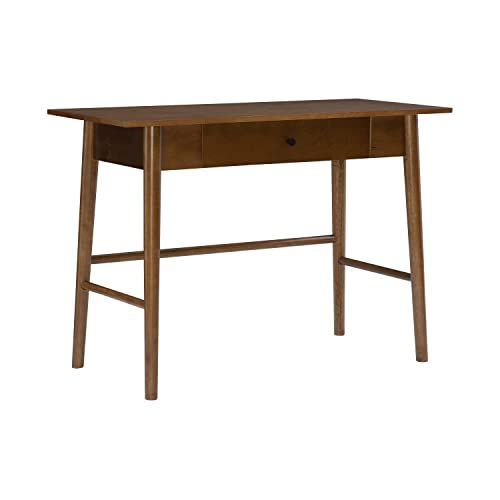
Wood Writing Desk Guide
Discover the timeless beauty and functionality of wood writing desks. From solid oak to rich walnut, find the perfect wooden writing desk for your home office, study, or creative workspace.
Explore Top Wood Writing Desks →Why choose a wood writing desk? A wood writing desk combines natural beauty, durability, and timeless elegance. Whether you're a writer, student, or professional, the right wooden writing desk creates an inspiring workspace that enhances productivity and adds warmth to any room. From classic vintage writing desk designs to modern minimalist styles, wood offers unmatched versatility and character.
Types of Wood for Writing Desks
The type of wood you choose for your wood writing desk significantly impacts its appearance, durability, and price. Understanding the characteristics of different woods helps you make an informed decision that suits your style and budget.
Oak
Known for its strength and prominent grain patterns. Oak is highly durable and resistant to wear, making it ideal for daily use. Its warm golden-brown tones complement both traditional and contemporary spaces.
$1,200–$3,500Walnut
Features rich, dark chocolate-brown tones with elegant grain patterns. Walnut is prized for its beauty and stability, developing a stunning patina over time. A favorite for walnut desk designs.
$1,500–$4,000Cherry
Cherry wood offers a warm reddish-brown color that darkens beautifully with age. It has a smooth, fine grain and takes finish exceptionally well, creating a luxurious wood office desk appearance.
$1,000–$3,000Mahogany
Mahogany is a premium hardwood with deep reddish-brown color and interlocking grain. It's prized for its stability, workability, and rich, lustrous finish. Often used in wooden executive desk designs.
$2,000–$5,000Maple
Maple offers a light, creamy color with subtle grain patterns. It's exceptionally hard and durable, making it perfect for high-traffic workspaces. Its bright appearance brightens any room.
$800–$2,500Bamboo
An eco-friendly alternative with a modern aesthetic. Bamboo is sustainable, durable, and naturally water-resistant. Its light golden color and distinctive grain create a contemporary look for modern wood computer desk designs.
$600–$1,800Key Features to Consider
When selecting a wooden writing desk, several features will determine how well it meets your needs and enhances your workspace. Consider these essential aspects before making your purchase.
🪵 Wood Quality & Grade
Look for solid wood construction rather than veneers or particle board for maximum durability. The grade of wood (select, number 1 common, etc.) affects appearance and price.
📏 Desk Size & Dimensions
Measure your space carefully. Standard writing desks range from 48-60 inches wide and 24-30 inches deep. Consider your workstation desk needs and available floor space.
📂 Storage Options
A writing desk with drawers provides essential storage for documents, stationery, and personal items. Consider the number of drawers and their configuration.
🔨 Construction Quality
Look for dovetail joints, solid hardwood construction, and quality hardware. Well-constructed wood desk top surfaces ensure longevity and stability.
🎨 Finish & Protection
The finish protects your desk from stains, moisture, and daily wear. Options include oil, varnish, lacquer, and polyurethane. Each offers different levels of protection and appearance.
🪑 Ergonomics
Consider desk height (standard 29-30 inches) and how it works with your chair. Proper ergonomics prevent strain and improve working from home desk comfort.
Wood Writing Desk Comparison
Compare the most popular wood writing desk options to find the perfect match for your needs and budget.
| Wood Type | Durability | Grain Pattern | Color | Price Range | Best For |
|---|---|---|---|---|---|
| Oak | ★★★★★ | Prominent, Open | Warm Brown | $1,200–$3,500 | Traditional offices, daily use |
| Walnut | ★★★★★ | Straight, Wavy | Dark Chocolate | $1,500–$4,000 | Executive spaces, premium setups |
| Cherry | ★★★★☆ | Fine, Smooth | Reddish-Brown | $1,000–$3,000 | Warm, traditional studies |
| Mahogany | ★★★★★ | Interlocking | Deep Red-Brown | $2,000–$5,000 | Luxury home offices |
| Maple | ★★★★★ | Subtle | Creamy White | $800–$2,500 | Modern, bright spaces |
| Bamboo | ★★★★☆ | Distinctive | Light Golden | $600–$1,800 | Eco-friendly, contemporary |
Buying Guide for Wood Writing Desks
Why Choose a Wood Writing Desk?
A wood writing desk is more than just a piece of furniture—it's an investment in your productivity and well-being. Unlike mass-produced alternatives, a quality wooden writing desk offers:
- Timeless Elegance: Wood never goes out of style. Whether you prefer the warmth of cherry or the richness of walnut, wood adds character to any space.
- Exceptional Durability: With proper care, a solid wood desk can last for generations, making it a sustainable and cost-effective choice.
- Versatility: Wood complements any decor style, from traditional to modern, and can be stained or painted to match your preferences.
- Health Benefits: Studies show that natural materials like wood can reduce stress and improve well-being in workspace environments.
- Increased Property Value: Quality furniture adds value to your home and can be a selling point for potential buyers.
Caring for Your Wood Writing Desk
Proper maintenance ensures your wood writing desk remains beautiful for years to come. Follow these care tips to protect your investment:
- Regular Dusting: Use a soft, dry cloth to remove dust weekly. Avoid abrasive materials that can scratch the surface.
- Use Coasters and Mats: Always use coasters for drinks and desk mats for writing to prevent heat rings, stains, and scratches.
- Clean Spills Immediately: Wipe up spills promptly with a soft, damp cloth. Avoid letting liquids sit on the surface to prevent water damage.
- Avoid Direct Sunlight: Prolonged exposure to sunlight can fade wood finishes. Position your desk away from direct sun or use window treatments.
- Polish Periodically: Use wood furniture polish or wax every 6-12 months to maintain luster and protect the finish.
Frequently Asked Questions
What is the best wood for a writing desk?
Oak and walnut are among the best choices for writing desks. Oak offers excellent durability with beautiful grain, while walnut provides rich, dark tones that age gracefully. Cherry is also an excellent choice for those who prefer warmer reddish tones.
What size should a writing desk be?
A standard writing desk typically measures 48-60 inches wide, 24-30 inches deep, and 29-30 inches tall. However, the ideal size depends on your available space, your body size, and how you plan to use the desk.
How much does a wood writing desk cost?
Wood writing desks range from $600 to $5,000 or more, depending on the wood type, size, construction quality, and brand. Entry-level solid wood desks start around $800, while premium hardwood desks can exceed $5,000.
Is solid wood better than engineered wood?
Solid wood is generally superior in terms of durability, repairability, and longevity. It can be refinished multiple times and develops a beautiful patina with age. However, engineered wood like plywood or MDF can be more affordable and less prone to warping.
How do I maintain my wood writing desk?
Dust regularly with a soft cloth, use coasters for drinks, wipe up spills immediately, avoid direct sunlight, and apply furniture polish or wax every 6-12 months. Proper care will keep your desk looking beautiful for decades.
Can I customize a wood writing desk?
Yes, many furniture makers offer custom options for wood type, size, finish, and hardware. Custom desks allow you to create a piece that perfectly fits your space and personal style.