
Study Desk Guide: Create Your Ideal Focus Zone
Whether you're a student, a remote learner, or someone who loves deep work, the right study desk transforms your productivity, posture, and motivation. Let's find yours.
Why your study desk matters: A well-chosen study desk isn't just furniture—it's your learning partner. The right surface, height, and storage can reduce distractions, improve focus, and make long study sessions feel effortless. This guide covers everything from desk types and materials to ergonomics and organization, so you can build a study space that works for you.
1. What to Look for in a Study Desk
📐 Size & Space
Measure your available area first. A small desk space can still be productive with smart layout choices. For tight rooms, consider a space-saving desk or a small corner desk to maximize floor space.
🪑 Ergonomics
Your desk height should allow your elbows to rest at 90° while typing. Pair it with a top-rated desk chair for proper support. If you switch between sitting and standing, a standing desk chair or a stand-up desk height calculator can help you find the perfect fit.
📦 Storage & Organization
Keep your study materials tidy with built-in drawers or add-on solutions. A small desk with storage or a desk organizer keeps essentials within reach. For paper-heavy courses, a paper management system is a lifesaver.
💡 Lighting & Focus
Good lighting reduces eye strain. A desk lamp with adjustable brightness can make a big difference. For digital learners, consider a monitor light bar to illuminate your screen area without glare.
2. Best Desk Types for Study Sessions
🖥️ Compact Computer Desks
Ideal for laptops and small monitors. A small computer desk fits in dorms or apartments. If you need more surface, a solid wood writing desk offers a classic, durable workspace.
📚 L-Shaped & Corner Desks
Perfect for multitaskers. An L-shaped desk gives you separate zones for your laptop, books, and notes. A standing L-desk adds health benefits while keeping your study materials organized.
🔄 Standing & Adjustable Desks
Alternate between sitting and standing to stay energized. A standing desk with drawers keeps supplies handy. For budget-conscious students, a stand-up desk topper converts any desk into a sit-stand station.
🧩 Multi-Functional Desks
Some study desks double as storage or even beds! A twin loft bed with desk is a genius space-saver for small rooms. If you share a room, a two-person desk allows collaborative studying.
3. Materials That Support Your Study Style
🪵 Solid Wood
Durable and timeless. A solid wood L-shaped desk or solid wood corner desk adds warmth and stability. Wood surfaces are easy to clean and age beautifully.
🧱 Laminate & MDF
Affordable and low-maintenance. Laminate desks resist scratches and stains, perfect for busy students. For a lightweight option, MDF desks offer a smooth finish at a budget-friendly price.
🔘 Glass & Metal
Modern and sleek. A glass desk can make a small room feel more open, while metal desks are sturdy and often come with industrial-style frames.
♻️ Sustainable Options
Eco-conscious learners love bamboo desks for their rapid renewability. Reclaimed wood desks add character and reduce waste.
4. Keep Your Study Desk Clutter-Free
🧹 Cable Management
Tangled cables kill focus. Use cable trays and cable raceways to hide wires. For a clean look, consider a wireless desk setup with Bluetooth peripherals.
📂 Drawer & Shelf Organizers
Keep pens, sticky notes, and chargers in drawer organizers. Add floating shelves above your desk for books and decorative items that inspire you.
📱 Tech Accessories
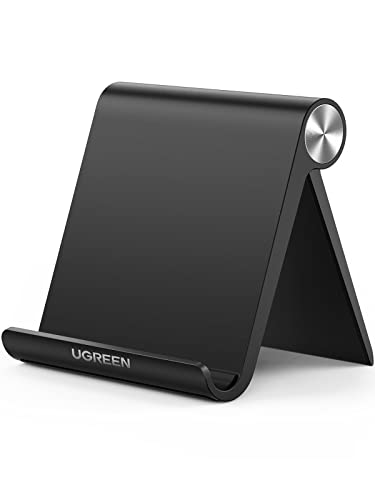
Enhance your study with a monitor arm to free up desk space. A phone stand keeps your device visible for quick reference or video calls.
🌿 Personal Touches
Add a desk plant to boost mood and air quality. A desk mat protects your surface and adds a touch of style.
5. Stay Comfortable During Long Study Sessions
🪑 Proper Sitting Posture
Keep your feet flat, knees at hip level, and screen at eye height. Use a footrest if your feet don't touch the floor. A proper sitting posture guide can help you avoid back pain.
🧘 Movement & Stretching
Take breaks every 45 minutes. Try desk stretching exercises to relieve tension. An anti-fatigue mat is great if you use a standing desk.
💡 Monitor Placement
Your screen should be at arm's length, with the top bezel at or slightly below eye level. A monitor placement guide will help you dial in the perfect angle.
⏰ Study Routine
Use a desk timer to structure your sessions (e.g., Pomodoro). Pair it with a desk productivity habit that works for your learning style.
Ready to build your dream study desk? Browse our curated recommendations below – each product is selected to help you study smarter, not harder. Jump to recommended desks or explore our desk tips & guides for more expert advice.


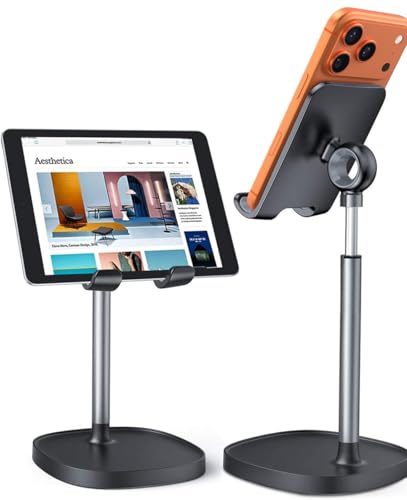
![Lamicall Cell Phone Stand for Desk - [Height Adjustable] Foldable Mobile Phone Holder, Portable Stand for iPhone 17 16 15 14 13 12 11 Pro Max Plus Air, Galaxy S25, Office Gift, Telephone Accessories](https://m.media-amazon.com/images/I/41gleueVKkL._SL500_.jpg)
