L Shaped Desk for Small Office Space: The Complete Guide
Transform your compact office into a highly productive workspace with the right L shaped desk. Learn how corner workstations maximize every inch, improve ergonomics, and keep your small office organized without feeling cramped.
Explore L Shaped Desk OptionsWhy an L Shaped Desk Works for Small Offices
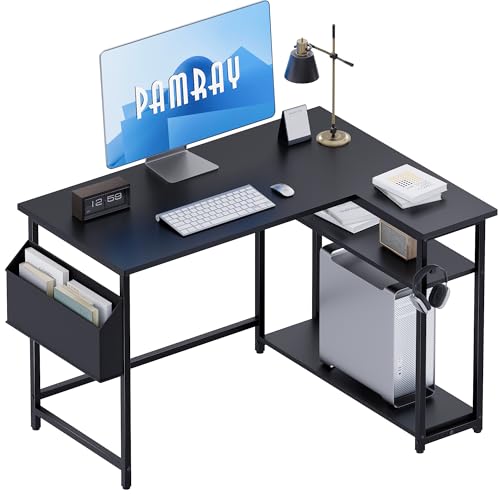
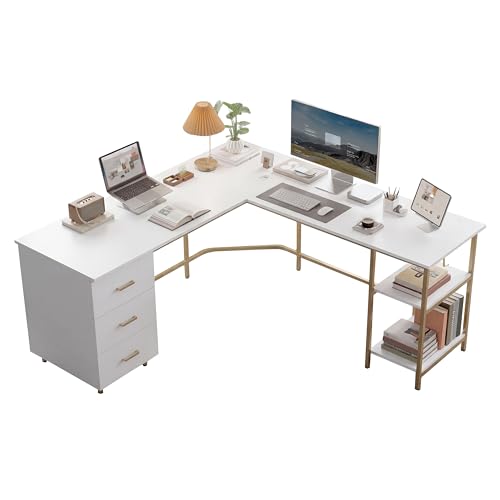
A small office space often forces a difficult trade-off: you need surface area for monitors, paperwork, and accessories, but every square foot counts. An L shaped desk for small office space solves this problem by using the corner — an area that is frequently wasted in rectangular room layouts. Instead of pushing a straight desk against a wall and leaving an awkward corner empty, you get a continuous work surface that wraps around two walls.
The configuration creates a natural division between tasks. One wing can host your computer monitor and keyboard, while the other wing becomes a dedicated writing, reading, or filing zone. This separation improves focus and reduces clutter on the primary work area. For remote workers, students, and small business owners, this dual-zone approach means fewer distractions and better organization throughout the day.
Modern L shaped desks are available in compact footprints specifically designed for tight rooms. A well-chosen model can fit into a corner measuring just a few feet on each side while still offering generous desktop depth. The result is a workspace that feels intentional and spacious rather than squeezed. If you are exploring options, our guide to L shaped computer desks for small spaces covers even more configurations worth considering.
Key insight: A corner desk effectively doubles the usable wall-facing surface compared with a straight desk of similar width, because it uses two walls simultaneously. That extra surface often replaces the need for a separate side table or filing cabinet.
Key Benefits of Corner Workstations
1. Maximum Surface Area in Minimum Footprint
The geometry of an L shaped desk is inherently efficient. By extending along two walls, it delivers more total work surface than a straight desk that would fit into the same room. For a small office, this means you can accommodate a full monitor setup, a laptop, a printer, and still have room to write — without the desk dominating the floor plan.
2. Natural Workflow Separation
The two wings of an L shaped desk create a natural boundary between different types of work. Use the corner for your primary monitor and keyboard, and use the returning wing for reference materials, a notepad, or your coffee. This physical separation helps your brain switch tasks more efficiently and keeps your main work zone free of secondary clutter.
3. Improved Cable Management Potential
Because the desk hugs the wall on two sides, cables can be routed along the wall edges and tucked into the corner. Many L shaped desks include grommets or cable management channels. For a truly clean setup, pair your desk with an L shaped computer desk with cable management that keeps power strips and adapters hidden.
4. Better Use of Awkward Corners
Most small offices have at least one corner that is hard to furnish. A straight desk leaves that area unused, while an L shaped desk turns it into the most valuable part of the room. This is especially useful in bedrooms, alcoves, and narrow home offices where floor space is limited.
5. Flexible Storage Integration
Many L shaped models for small offices include built-in drawers, shelves, or hutches on one wing. This consolidates storage into the desk footprint, eliminating the need for a separate bookcase or filing cabinet. Options like an L shaped desk with drawers for small space are particularly effective for keeping documents and supplies within arm's reach.
How to Choose the Right L Shaped Desk for Your Office
Not every L shaped desk is designed for compact rooms. Choosing the right model requires attention to footprint, orientation, and the way you work. Below are the primary factors to evaluate before you commit.
Measure Your Room Carefully
Before shopping, measure the length of each wall where the desk will sit, plus the distance from the corner to any doorway, window, or closet. Leave at least 24 inches of clearance for your chair and walking path. The desk's two wings do not need to be equal — a longer main wing paired with a shorter return is often the best fit for narrow rooms.
Choose Between Reversible and Fixed Orientation
Reversible desks allow you to swap the long and short wings to either side of the corner. This flexibility is valuable if you are unsure which layout works best or if you may move the desk later. If your room has a fixed window or door position, a fixed orientation may be simpler and more stable. Our overview of L shaped desks with reversible configurations explains how this feature works in practice.
Decide on the Return Wing Depth
The return wing — the shorter side of the L — can range from very shallow to nearly as deep as the main wing. For small offices, a shallower return (around 15 to 18 inches) is usually enough for a laptop, notepad, and a small lamp, while preserving floor space. Deeper returns offer more storage but can make the room feel crowded.
Consider Height Adjustability
If you alternate between sitting and standing, an L shaped desk that raises and lowers adds ergonomic flexibility without requiring a separate standing desk. Models in the L shaped desk that raises and lowers category typically include dual motors and memory presets. These are especially useful in small offices where a second desk for standing simply will not fit.
Match the Desk to Your Primary Use
Gaming setups, creative work, and administrative tasks place different demands on a desk. A gaming-focused L shaped desk may prioritize monitor space and cable routing, while an office-focused model may emphasize drawers and keyboard trays. For a balanced approach, see our guide to the L shaped desk for gaming and work.
Smart Layout Strategies for Compact Spaces
Once you have the desk, the way you arrange it determines whether the room feels efficient or cluttered. These layout principles are especially important in small offices.
Place the Corner at the Focal Point
The inner corner of the L is the natural focal point of the workspace. Position your primary monitor there, angled slightly toward your chair. This keeps your sightline centered and reduces neck strain compared with looking sharply to one side all day.
Use the Return Wing as a Secondary Zone
Reserve the shorter wing for tasks that do not require the monitor: writing, reviewing printed documents, or setting down a tablet. Keeping this zone free of permanent clutter preserves the sense of open space in a small room.
Keep the Desk Perimeter Clear
In a compact office, visual clutter makes the room feel smaller. Limit desktop items to essentials and use vertical storage — a small shelf, a monitor riser, or a wall-mounted organizer — to free up horizontal surface. A small desk organizer can consolidate pens, chargers, and notes into a single footprint.
Position Lighting to Avoid Glare
Place your desk lamp on the side opposite your dominant hand to prevent shadows while writing. In a corner layout, a clamp-on or wall-mounted light can save desktop space and direct light precisely where you need it.
Leave Breathing Room
Do not push the desk flush against both walls if you can avoid it. A small gap on one side makes cable routing easier and prevents the desk from looking built-in. It also allows air circulation and makes cleaning simpler.
Storage and Organization Solutions
Storage is the make-or-break factor in a small office. An L shaped desk can integrate storage in several ways, and choosing the right combination keeps your workspace functional without adding furniture.
Drawers and File Cabinets
Under-desk drawers on one wing provide accessible storage for documents, office supplies, and personal items. A built-in file cabinet is ideal if you handle paper records regularly. Models in the L shaped desk with file drawers category combine a writing surface with dedicated filing space in a single footprint.
Hutches and Shelves
An attached hutch or shelf unit adds vertical storage without increasing floor space. Use upper shelves for books and reference materials, and keep the lower shelf for frequently used items. If you prefer an open look, a model from the L shaped desk with hutch and shelves range offers a balanced combination of display and closed storage.
Keyboard Trays and Pull-Out Surfaces
A pull-out keyboard tray frees the main desktop for monitors and paperwork while keeping your keyboard at an ergonomic height. In tight spaces, this small feature makes a noticeable difference in usable surface. Our guide to the L shaped desk with drawers and keyboard tray covers models that combine both features.
Integrated Power and Outlets
Built-in outlets and USB ports reduce the need for power strips on the floor, which is both safer and tidier in a small office. Models such as the L shaped desk with built-in outlets are worth considering if you charge multiple devices at the desk.
Organization principle: In a small office, every item should have a home. Choose an L shaped desk with at least one closed storage compartment and one open shelf, then commit to returning items to their designated spots at the end of each workday.
Ergonomics and Comfort in a Small Office
A small office can still be an ergonomic office. The compact footprint of an L shaped desk actually supports good posture if you position your equipment correctly.
Monitor Height and Distance
Place the top of your monitor at or slightly below eye level, about an arm's length away. In a corner setup, angle the monitor toward your seated position rather than parallel to either wall. A monitor arm can save desktop space and make height adjustments easier than a fixed stand.
Chair Clearance
Ensure the desk height allows your knees to fit comfortably beneath the surface. Standard desk height works for most people, but if you are taller or shorter than average, an adjustable desk or a height calculator can help. Our office desk height calculator provides guidance based on your body measurements.
Keyboard and Mouse Position
Keep your keyboard and mouse at elbow height with your shoulders relaxed. A keyboard tray can bring these items lower if your desk is tall. Avoid placing the keyboard on the far wing of the L — reaching across the corner strains the shoulders.
Lighting and Eye Comfort
Position your monitor perpendicular to windows to avoid glare. Add a desk lamp with adjustable brightness for evening work. In a compact office, a monitor light bar is a space-saving alternative to a floor lamp.
Standing Options
If you want to alternate between sitting and standing, consider a height-adjustable L shaped desk or a standing desk converter placed on one wing. Both approaches preserve the corner layout while adding movement to your day. For smaller setups, our article on a standing desk for small desk configurations offers additional ideas.
Common Mistakes to Avoid
Even a well-chosen L shaped desk can underperform if it is set up poorly. Watch for these frequent pitfalls.
Overestimating Available Space
An L shaped desk looks compact in a showroom but can overwhelm a small room if the wings are too long. Always measure your walls and account for chair clearance before buying. A desk that fits the corner but blocks a doorway or closet defeats the purpose.
Ignoring the Return Wing's Function
Many people buy an L shaped desk for the extra surface but then use only the main wing, leaving the return cluttered with random items. Decide in advance what the return wing is for — storage, writing, or a secondary device — and keep it dedicated to that purpose.
Neglecting Cable Management
A corner desk can hide cables well, but only if you plan the routing. Without trays or clips, cables can drape across the floor and create a tripping hazard. Address cable management during setup, not after.
Choosing Style Over Stability
Lightweight desks with thin frames may wobble, especially if you type vigorously or use a monitor arm. Look for reinforced frames and solid construction. A stable desk is safer and more comfortable, particularly in a small office where the desk is used every day.
Forgetting About Future Needs
Your workspace may evolve — a second monitor, a printer, or a standing routine. Choose a desk with enough flexibility to accommodate modest changes. Reversible orientation and height adjustability are two features that extend a desk's useful life.
Buying Checklist for Small Office L Shaped Desks
Use this checklist to evaluate any L shaped desk before you commit. It focuses on the factors that matter most in a compact office.
- Footprint: Confirm the desk's total width and depth fit your corner with clearance for your chair and walking path.
- Orientation: Decide whether you need a reversible design or a fixed left- or right-hand configuration.
- Return wing depth: Choose a shallower return for tight rooms; a deeper return if you need more storage.
- Storage: Identify whether you need drawers, a file cabinet, shelves, or a hutch built in.
- Height adjustability: Consider a sit-stand model if you want to alternate postures without a second desk.
- Cable management: Look for grommets, trays, or channels to keep wiring tidy.
- Stability: Check frame thickness, weight capacity, and user feedback on wobble.
- Power access: Built-in outlets and USB ports reduce clutter from power strips.
- Assembly: Review whether the desk ships with clear instructions and required tools.
- Finish and materials: Choose a surface that suits your room's style and resists daily wear.
Tier Comparison Overview
The table below summarizes how L shaped desks differ across quality tiers. Use it to match your needs with the right category.
| Tier | Best For | Typical Characteristics |
|---|---|---|
| Entry-Level | Occasional use, students, first setups | Simpler frames, basic finishes, essential storage, lighter weight capacity |
| Mid-Range | Daily home office work, remote professionals | Reinforced steel frames, smoother mechanisms, better cable management, more storage options |
| Premium | Heavy daily use, multi-monitor setups | High-grade materials, excellent stability, integrated power, refined finishes |
| Luxury | Executive offices, design-focused spaces | Solid wood or premium veneers, custom details, exceptional build quality |
Frequently Asked Questions
Will an L shaped desk fit in a small bedroom office?
Yes, provided you measure carefully. Compact L shaped desks are designed for rooms where a straight desk would leave an awkward corner unused. Choose a model with a shallower return wing and place the corner against the least trafficked wall. Leave at least 24 inches for your chair and walking path.
What is the ideal size for an L shaped desk in a small office?
There is no single ideal size, but as a general guide, look for a main wing between 40 and 55 inches and a return wing between 30 and 40 inches. The return depth is often more important than length in a small room — a shallower return preserves floor space while still providing a secondary work zone.
Should I choose a reversible L shaped desk?
Reversible desks are a good choice if you are unsure about the layout or if the room may be rearranged later. They let you place the longer wing on either side of the corner. Fixed-orientation desks are slightly simpler and may be more stable, but they offer less flexibility.
How do I manage cables with a corner desk?
Route cables along the wall edges and use adhesive clips or a cable tray mounted under the desk. Place a power strip in the inner corner where it is hidden from view. Many L shaped desks include grommets that keep wires organized and out of the way.
Can I use a standing desk converter on an L shaped desk?
Yes, a converter can sit on one wing while the other wing remains a seated workspace. This is a practical compromise in a small office where a full height-adjustable desk may not fit. Just ensure the converter is stable and does not overhang the desk edge.
What storage features are most useful in a small office?
Closed drawers and a file cabinet are the most valuable because they hide clutter. A single open shelf is useful for frequently referenced items. Avoid hutches that are too tall or deep, as they can make a small room feel enclosed. Choose storage that matches your actual daily needs rather than maximizing volume.
Ready to Reclaim Your Corner?
An L shaped desk is one of the most effective ways to turn a cramped office into a comfortable, organized workspace. Use the checklist and layout strategies above to choose a model that fits your room, your work style, and your storage needs.
Compare L Shaped Desk Options