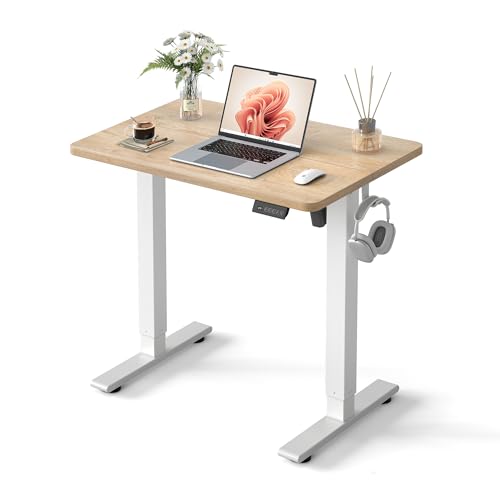
Standing Desk for Small Desk: Compact Height-Adjustable Solutions
Turn a compact workspace into a healthier, more productive sit-stand environment. This guide explains how to choose a standing desk for small desk areas — including desktop converters, compact frames, and space-saving height-adjustable options that fit where full-size desks cannot.
Explore Compact Standing DesksWhat Counts as a Small Desk for Standing Use?
Not every compact desk can host a standing setup. Before shopping, measure your space and understand the constraints. A desk is generally considered small for standing purposes when it falls into one or more of these categories:
- Narrow width: under about 48 inches wide, which limits how much equipment can sit side by side.
- Shallow depth: under about 24 inches deep, which restricts how far a converter or monitor arm can extend toward you.
- Tight floor footprint: a corner, alcove, or closet nook where a full standing frame would block movement.
- Shared or multifunctional space: a bedroom or living area where the desk must visually and physically stay contained.
If your workspace matches any of these, a full-size electric standing desk may be impractical. Fortunately, there are several proven approaches designed specifically for constrained spaces. You can also review broader compact workspace ideas on our standing desk for small desk resource hub and compare layout options in our standing desk setup guide.
The Main Types of Standing Desk for Small Desk Setups
There are four practical routes to standing work in a compact space. Each has trade-offs in stability, adjustability, and how much of your existing desk it consumes.
Desktop Standing Desk Converter
Sits directly on your current small desk and lifts your monitor and keyboard to standing height. No floor footprint is added, making it the most space-efficient option for shallow or narrow desks.
Standing Desk Topper
A lighter, often more compact version of a converter. Ideal when you need a modest height lift and want to keep the surface as minimal as possible.
Compact Standing Desk Frame
A full-height-adjustable frame with a smaller footprint and narrower top. The best long-term investment if you can dedicate a fixed spot to a dedicated standing desk.
Standing Desk on Top of Regular Desk
A hybrid approach where a compact standing unit is placed over or beside an existing small desk, preserving storage while adding height adjustment.
Desktop Converters: The Most Space-Efficient Choice
For genuinely small desks, a stand-up desk converter is usually the smartest starting point. Because it occupies only the surface area it sits on, it adds zero floor footprint. Compact models with a narrow base and a single or dual-tier platform can fit desks as shallow as about 20 inches. If your desk is especially narrow, look at a stand-up desk converter for narrow desk configuration, which is designed to sit within tight width constraints without overhanging.
Converters also suit people who want to test standing work before committing to a dedicated frame. If you already own a desk you like, a converter is the least disruptive upgrade. Just confirm the base dimensions against your desktop and check that the lifting mechanism clears your monitor's stand.
Compact Frames: The Long-Term Investment
If you can dedicate a permanent spot, a compact standing desk frame paired with a smaller top delivers the smoothest and most stable sit-stand experience. A stand-up desk frame with a narrower span fits corners and alcoves that would reject a full-width frame. Pair it with a modest stand-up desk top to control the overall footprint. For mobility in a shared room, consider a standing desk on wheels so the unit can be rolled aside when the space is needed for something else.
Frames with dual motors, such as a double motor standing desk, tend to offer smoother travel and better load handling — useful if you plan to mount monitors and keep the desk fully loaded. If you want a simpler mechanism, a adjustable height standing desk with a manual or single-motor lift can still serve a compact setup well.
Hybrid Approaches: Standing on Top of a Regular Desk
Some compact spaces already contain a fixed desk with drawers or built-in storage. Rather than replace it, you can add a standing unit that sits on or over the existing surface. A stand-up desk on regular desk arrangement keeps your storage and preserves the room's layout while introducing height adjustment. Similarly, a standing desk on top of regular desk solution works when the existing desk is sturdy enough to support the added load.
These hybrids are especially useful in bedrooms and multipurpose rooms where the desk also serves as a study or vanity station. A standing desk to put on desk is the most minimal version of this idea and can be moved away when not in use.
Key Measurements to Check Before You Choose
Measurements decide whether a standing desk for small desk use will actually work. Take the following numbers before comparing models:
- Desktop width and depth: confirm the converter base or frame footprint fits with a margin on each side.
- Standing height range: your standing desk surface should reach roughly elbow height when your arms are relaxed. A rough guide is available in our office desk height calculator.
- Monitor clearance: if you use a monitor arm or riser, check that the raised platform clears it. A desk monitor stand can lift your display without adding depth.
- Weight capacity: add the weight of monitors, keyboard, laptop, and accessories, then choose a unit rated comfortably above that total.
- Floor clearance: for frames, confirm the feet or casters do not collide with walls, baseboards, or nearby furniture.
| Option | Footprint Added | Best For | Typical Tier |
|---|---|---|---|
| Desktop converter | None (uses desk surface) | Shallow or narrow desks | Starter to mid-range |
| Standing desk topper | None (minimal surface use) | Minimalist, light-duty setups | Essential tier |
| Compact standing frame | Small floor footprint | Dedicated permanent workspace | Balanced to premium |
| Hybrid on existing desk | None to minimal | Desks with built-in storage | Essential to mid-tier |
Space-saving tip: Pair a compact standing solution with wall-mounted or vertical storage rather than desktop organizers. Keeping the surface clear is essential because a converter or topper already consumes part of your working area. A small desk organizer and small desk storage combination can reclaim usable space without adding floor clutter.
Stability and Build Quality: What to Prioritize
Compact standing desks are sometimes criticized for wobble, but the issue is usually build quality rather than size. When comparing a standing desk for small desk use, look for these construction signals:
- Reinforced steel frame: a high-grade steel frame with crossbars resists side-to-side movement better than thin tubing.
- Anti-wobble feet: adjustable leveling feet keep the unit steady on uneven floors and reduce rocking.
- Low center of gravity: converters with a wide, low base are more stable than tall, narrow towers.
- Weight capacity margin: choose a unit rated well above your actual load to preserve smooth lifting.
- Quality lifting mechanism: gas springs, electric columns, or well-machined manual locks all perform better when built to a higher standard.
Mid-range and premium models typically offer smoother height travel and less flex than entry-level units. That difference matters most if you stand for extended periods or load the desk heavily. For a deeper comparison of desk construction, our desk that goes up and down guide covers mechanism types in detail.
How to Set Up a Standing Desk for Small Desk Spaces Ergonomically
Once the hardware is in place, the setup determines whether standing actually feels comfortable. Follow these steps for a compact workspace:
- Set monitor height first. The top of the screen should sit near eye level when standing. Adjust the converter or frame height before positioning the keyboard.
- Bring the keyboard close. Elbows should rest near 90 degrees with wrists straight. On shallow desks, a compact keyboard or a pull-out tray helps preserve depth.
- Add an anti-fatigue surface. Standing for long stretches on a hard floor is tiring. A supportive mat reduces fatigue without occupying desk space.
- Alternate regularly. A common approach is to stand for part of each hour and sit for the rest. Our standing desk setup guide includes a simple rotation routine.
- Keep essentials within reach. Because compact surfaces fill quickly, mount or wall-hang frequently used items so you are not stretching awkwardly while standing.
If you also need a seating option, an adjustable height desk chair for standing desk pairs well with sit-stand routines in tight spaces, and a comfortable desk chair for small spaces keeps the floor plan manageable.
Special Situations: Taller Users and Multi-Monitor Setups
If you are taller than average, standard converters may not lift high enough. A stand-up desk converter for tall people extends the height range so you can stand without hunching. If you run two screens on a narrow desk, a standing desk converter with dual monitor mount consolidates displays and frees surface area. For users who prefer a laptop-and-monitor mix, a stand-up desk converter for laptop and monitor keeps both at working height without extra depth.
Multi-screen workers should also consider whether a dedicated frame is a better fit; our standing desk for 3 monitors guide explains the load and width considerations involved.
Common Mistakes to Avoid
- Skipping the measurements. A converter that overhangs the desk edge or a frame that blocks a doorway will frustrate you daily.
- Ignoring weight limits. Overloading a compact lifting mechanism causes wobble and shortens its lifespan.
- Choosing height range poorly. Confirm the lowest height still works for seated use and the highest reaches your standing elbow height.
- Cluttering the surface. A standing desk for small desk use leaves little spare area; plan storage before you buy.
- Standing all day. Movement and alternation, not constant standing, deliver the health benefits.
Frequently Asked Questions
Can I use a standing desk converter on a small desk?
Yes. A desktop standing desk converter is one of the most practical solutions for a small desk because it sits on your existing surface and requires no floor footprint. Look for compact converters with a narrow base that fit within your desk depth while still offering a stable height-adjustable platform.
What is the minimum desk depth for a standing desk converter?
Most compact standing desk converters need a desk depth of at least 20 to 24 inches to sit securely. Measure the depth of your desktop and check the converter's base footprint before choosing a model.
Are compact standing desks stable enough for daily use?
Well-built compact standing desks with steel frames and a low center of gravity can be very stable for daily use. Prioritize models with reinforced crossbars, anti-wobble feet, and a weight capacity that comfortably exceeds the combined weight of your monitors, keyboard, and accessories.
Should I choose a converter or a compact standing frame?
Choose a converter if you want to keep your existing desk and add standing capability without floor footprint. Choose a compact frame if you can dedicate a permanent spot and want the smoothest, most stable long-term solution.
Final Thoughts
A standing desk for small desk spaces is entirely achievable with the right approach. Desktop converters and toppers deliver immediate sit-stand capability without consuming floor area, while compact frames and hybrid setups offer a more permanent and stable arrangement. Measure your desk, confirm the height range matches your body, prioritize build quality, and keep the surface uncluttered — and your compact workspace will support healthy sit-stand working for years.