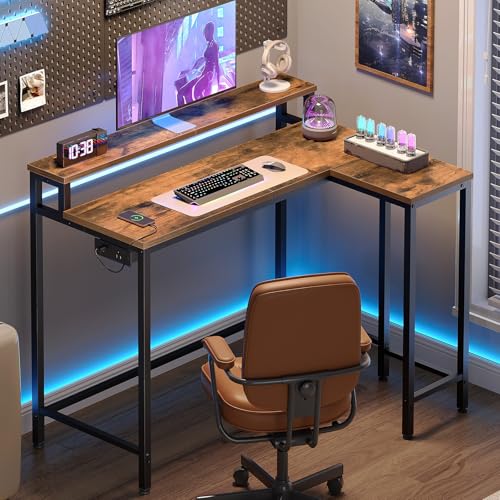
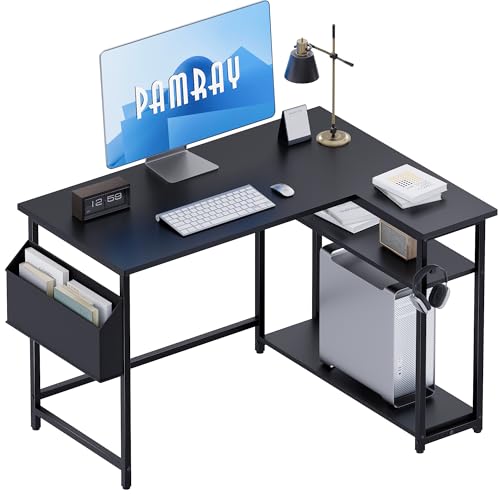
Small Corner Computer Desk: The Ultimate Space-Saving Workspace Solution
Discover how a compact corner workstation can transform a tight room into a fully functional home office. Expert guidance on sizing, storage, ergonomics, and top-tier picks for every type of user.
Explore Top RecommendationsWhy a small corner computer desk? If you live in a studio apartment, a dorm room, or a home with limited floor space, a corner desk is the smartest way to reclaim your work area. By utilizing the often-wasted corner of a room, these desks free up central floor space while providing a dedicated surface for your computer, monitor, and accessories. This guide covers everything you need to know — from dimensions and materials to ergonomic setups and organization strategies — so you can choose with confidence.
What to Look for in a Small Corner Computer Desk
Before browsing models, it helps to understand the key factors that separate a good corner desk from one that will frustrate you daily. Below are the essential criteria every buyer should evaluate.
1. Dimensions and Footprint
A true small corner computer desk typically spans 35 to 48 inches along each wall. The depth usually ranges from 18 to 24 inches. Measure your corner carefully — don't forget baseboards, outlets, and any nearby doors. If your space is especially tight, look for models with a reversible or asymmetrical design that lets you place the longer side against the wall that offers more room.
2. Storage and Shelving
Corner desks shine when they include integrated storage. Look for built-in drawers, side shelves, or a hutch. A model with at least one drawer and one open shelf keeps office supplies, notebooks, and peripherals within reach without cluttering the work surface. For deeper organization, consider pairing your desk with a small desk organizer or a desk file organizer.
3. Ergonomics and Keyboard Placement
Because corner desks curve around you, the keyboard position matters. A corner computer desk with keyboard tray and storage keeps your wrists at a neutral angle and frees surface area for writing or a second monitor. If you plan to stand occasionally, consider a standing desk converter with dual monitor mount that fits on top of a standard corner desk.
4. Cable Management
Small spaces demand tidy cable routing. Look for desks with built-in grommets or a cable management channel. If your chosen model lacks these, you can add adhesive clips and a compact under-desk tray. For a comprehensive walkthrough, see our cable management techniques in the desk matted guide (which covers surface protection alongside cable routing tips).
Types of Small Corner Computer Desks
Corner desks come in several configurations. Understanding the differences helps you match the desk to your room shape and workflow.
| Type | Best For | Key Feature |
|---|---|---|
| L-Shaped Corner Desk | Users who need to spread out documents or use dual monitors | Two connected surfaces forming an L; maximizes corner usage |
| Triangle / Wedge Corner Desk | Very tight spaces where every inch counts | Triangular surface that fits snugly into a 90-degree corner |
| Corner Desk with Hutch | Students and home-office workers needing vertical storage | Elevated shelving above the desk surface for books and supplies |
| Reversible Corner Desk | Rooms where the corner orientation can vary | Can be assembled for left- or right-hand corner placement |
| Floating Corner Desk | Minimalist setups with no floor space to spare | Wall-mounted design with no legs touching the floor |
If you specifically want an L-shaped configuration with extra storage, explore our guide to the 48-inch L-shaped desk with drawers. For those who prefer a classic corner silhouette with a monitor shelf, see the corner desk with monitor shelf overview.
Materials and Build Quality
The material of your corner desk affects durability, appearance, and how well it fits your room's aesthetic. Here is a quick breakdown of common options:
- Engineered Wood (MDF / Particle Board): The most common material for entry-level and mid-range corner desks. It offers a smooth, uniform surface and is available in many finishes. Look for models with a reinforced frame and moisture-resistant coating for longevity.
- Solid Wood: Premium and luxury tiers often use solid oak, walnut, or maple. These desks are heavy-duty, repairable, and develop character over time. They are an excellent long-term investment if you appreciate natural grain.
- Metal and Glass: A modern, industrial look. Tempered glass tops are easy to clean but require careful handling. Metal frames provide rigid support and pair well with a minimalist aesthetic.
- Bamboo: A sustainable option that is harder than many hardwoods. Bamboo corner desks are lightweight yet durable, and they bring a warm, natural tone to the workspace.
For a deeper dive into desktop materials, read our guide on wood desktops and how to choose the right finish for your corner desk.
Top Recommendations by Tier
To help you narrow down the options, we have organized our top picks into three tiers based on build quality, feature set, and intended use. These tiers reflect relative market positioning rather than any specific figure.
Essential Tier — Solid Choice for the Category
These models cover the basics well: a sturdy frame, a clean surface, and at least one storage element. They are ideal for students, light computer use, or a secondary workspace.
- Compact wedge design that fits into tight 90-degree corners without protruding into the room.
- Built-in monitor shelf on select models, such as the small computer desk with monitor stand.
- Simple assembly with clearly labeled parts and basic tools included.
Balanced Tier — Feature-Rich for Its Class
Mid-range corner desks often add a keyboard tray, a drawer, and a more refined finish. They are well-specified for the category and suit daily home-office use.
- Reversible L-shape allowing left- or right-hand orientation, like the L-shaped desk with reversible desk configuration.
- Integrated storage with a drawer and open shelf for notebooks and accessories.
- Cable management grommet in the corner section to route cords neatly.
Top-Tier — Professional-Grade and Commercial-Grade Options
High-end corner desks use premium materials, heavy-duty steel frames, and thoughtful ergonomic details. They are built for users who spend long hours at the desk and want a lasting investment.
- Solid wood or high-grade laminate surfaces with a resistance to scratches and spills.
- Reinforced steel legs with adjustable leveling feet for stability on uneven floors.
- Integrated power outlets or cable channels for a completely wireless-looking setup. See the L-shaped desk with built-in outlets for an example of this feature.
Pros and Cons of a Small Corner Computer Desk
Advantages
- Maximizes unused corner space
- Often includes integrated storage
- Provides a dedicated work zone in small rooms
- L-shape offers more surface area than a straight desk of the same footprint
- Can create a natural separation between work and living areas
Considerations
- Corner placement may limit window access or natural light
- Some models have limited legroom in the corner
- Assembly can be more complex than a simple straight desk
- Not ideal if you frequently rearrange your room layout
How to Organize a Small Corner Desk
A corner desk's unique shape means you need to be intentional about where you place each item. Follow these strategies to keep your workspace efficient and clutter-free.
Use Vertical Space
Install a wall shelf above the desk or choose a model with a hutch. Vertical storage keeps reference materials, plants, and decorative items off the work surface. For compact storage ideas, see our small desk storage guide.
Tame the Cables
Corner desks often have a natural channel along the back edge where cables can be routed. Use velcro ties to bundle monitor, keyboard, and charging cables, then secure them with adhesive clips. A desk monitor stand with a built-in cable channel can further reduce visible wires.
Choose a Keyboard Tray
If your desk does not include one, a keyboard tray frees up the main surface for writing or a tablet. The small office desk with keyboard tray guide covers models that integrate this feature seamlessly.
Ergonomic Setup for Corner Desks
Ergonomics is about more than just comfort — it affects your focus and long-term health. Here is how to set up a corner desk correctly.
- Monitor height: The top of the screen should be at or slightly below eye level. Use a monitor stand or a stack of books if needed.
- Keyboard and mouse: Keep elbows at roughly 90 degrees. A keyboard tray helps achieve this without raising your chair too high.
- Chair height: Your feet should rest flat on the floor or on a footrest. If your desk is fixed-height, adjust the chair to match. For adjustable options, see our adjustable height desk chair for home office.
- Viewing distance: Position the monitor about an arm's length away. Corner placement naturally increases the distance from your eyes to the screen, which is beneficial.
For a precise calculation of the right desk height for your body, try our office desk height calculator.
Pairing Your Corner Desk with Other Small-Space Furniture
A corner desk works best when the surrounding furniture complements its footprint. Here are a few combinations that maximize a compact room:
- Desk and chair set: A matching desk and chair for small space ensures proportional scale and a cohesive look.
- Bedroom integration: If your corner desk lives in a bedroom, explore small bedroom desk ideas for layout inspiration.
- Storage synergy: A small office desk with drawers or a desk with storage drawers and shelves can replace a separate filing cabinet.
- Floor protection: Add an under desk chair mat for hardwood floors to protect your flooring and make rolling easier.
Frequently Asked Questions
Continue Your Research
If you are still weighing your options, these related guides can help you refine your decision:
- Small corner computer desk — the definitive overview (you are here).
- Corner computer desk with keyboard tray and storage — ergonomic and organized.
- L-shaped desk for small home office — maximize a compact room.
- Desk and chair for small space — coordinated comfort.
- Small desk organizer — keep everything in its place.